
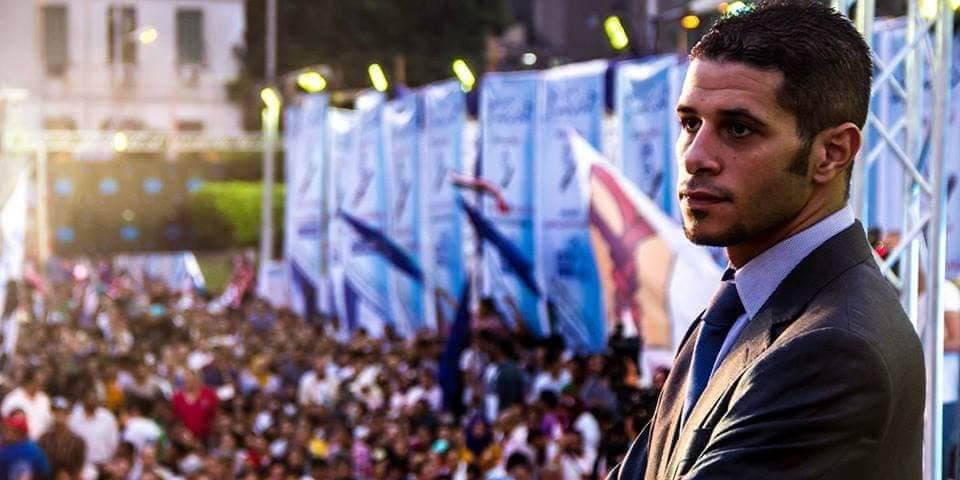
Hossam Moanis: A backstage force in oppositional politics
At dawn on June 25, 2019, security forces raided the home of political activist Hossam Moanis, where he was living with his wife and two children, and arrested him. Anticipating this day might come, Moanis — the former campaign manager for presidential candidate Hamdeen Sabbahi — had prepared a list of contacts for his wife to call should he be taken into custody. Her first call was to researcher Ahmed Kamel al-Beheiry, who promptly headed to Moanis’s home within five minutes of the raid.
Soon after calling Beheiry, Moanis’s wife also called her husband’s longtime friend Fady Iskandar, a political activist and former member of the Popular Current Party, to inform him of the arrest. Iskandar could hardly believe the news. Moanis had managed to spend nearly 20 years being active in opposition politics without ever being detained, a rare feat that had become something of a joke between him and his friends.
Police arrested at least seven others that morning, including lawyer and former parliamentarian Zyad Elelaimy, journalist Hisham Fouad, and the founder of the Multiples Group investment firm Omar El-Shenety.
Several hours later, the Interior Ministry announced that it had successfully thwarted a plot it claimed was coordinated by Muslim Brotherhood leaders abroad with political groups in Egypt to “bring down the state.” The plot was identified by the Interior Ministry as the “Plan for Hope” — a moniker the high profile case came to known by. Other defendants were eventually added to the case.
Moanis and his colleagues have now spent over a year and a half in remand detention in the Tora Prison Complex.
That evening, Iskander convened with several of Moanis’s other close friends to discover that Moanis had assigned each of them a specific task during his time in detention: one was to escort his mother during prison visitations, another was responsible for following up with lawyers about the case, and a third was responsible for taking care of Moanis’s family.
The focus and diligence with which Moanis had prepared for his imprisonment was characteristic of his years of work in politics. Moanis had long displayed an acute sensitivity in working with people and had assigned responsibilities to each of his friends according to their particular strengths and capabilities. These qualities had made him more than just a regular political activist: he was an effective and deeply committed organizer within whatever group he associated and his value was well known to his colleagues, including those detained alongside him in the same case.
Moanis never sought to be a poster boy for oppositional politics. His concern was with the crucial work behind the scenes, the need for movement building, mobilization and organization — all questions that became increasingly pressing in Egypt at the turn of the millennium. Moanis was immersed in the grunt work of political organizing: running party meetings with members debating for hours, compiling lists of colleagues with responsibilities assigned based on their experience, organizing the detailed logistics of events and rallies and, a key concern of his, composing statements and political programs to balance out with allied factions.
Across landmark developments in oppositional politics over the past 20 years, Moanis could be found seeking a form of political representation that would secure a seat at the table for the opposition. First working to create a new kind of politics within the Karama Party, through the political divisions that racked the opposition post-revolution, and in backing Hamdeen Sabbahi through two presidential campaigns, Moanis was constantly concerned with trying to bridge the divide. Up until last year, he was in the midst of working to build a new political alliance to contest the 2020 parliamentary election, when he was finally put behind bars.
New politics in a new millenium
By the end of 2003, Moanis had just graduated from Zagazig University’s Faculty of Commerce and even though he was still living at his family home in the Daqahliya city of Mit Ghamr, he would travel to Cairo on a regular basis.
It was a tumultuous time. The political stasis of the 1990s gave way to a heady era of protest and opposition movements. As the second Palestinian Intifada erupted in 2000, thousands in Egypt demonstrated in solidarity. A popular committee to support the Intifada was formed, and Moanis quickly joined alongside many others who would later become leading figures in the political landscape following the 2011 revolution.
Dissent in Egypt continued to grow. In 2003, thousands occupied Tahrir Square for the first time since the 1970s to protest the US invasion of Iraq. Kefaya, or the Egyptian Movement for Change, first emerged in 2004 in opposition to then-President Hosni Mubarak’s decades-long rule and a feared transfer of power to his younger son, Gamal. Inflation, infrastructure disasters, worker strikes, corruption scandals and government intransigence all fueled the growing discontent.

Moanis first met Iskandar in 2002 at a camp in Alexandria for members of Nasserist university clubs. Moanis met Beheiry around the same time, when he was a student at Helwan University’s Faculty of Commerce, through the Union of Nasserist Clubs. The three were members of the student organization, which dates back to the 70s, and was then tied to the Karama Party, which they would join after graduation. The party was still under formation at the time, essentially a splinter group from the long-established Arab Democratic Nasserist Party.
The ANDP was controlled by a group of 1960s politicians who had become increasingly frustrated with the demands of the younger up-and-coming party members to be included in the party’s decision-making, and grown critical of the “recklessness of the younger generation,” as former presidential candidate Hamdeen Sabbahi describes it. Many of the younger party members eventually left the ANDP in the 1990s after their memberships were frozen to establish the Karama Party. One of the only members of the older political generation to join the younger group was Moanis’s maternal grandfather and a former member of the Socialist Union Fathy al-Maghrabi, who would ultimately chair the new party’s Daqahliya chapter.
Amid the heady political events of the 2000s, Moanis was looking to mold a new Nasserist school of thought to adapt to the times and in 2006 he joined with other Karama Party members in proposing a development document to reorganize the party both on a conceptual and organizational level.
Beheiry says that the proposal relied on discussions with party members from various governorates over the course of almost a year and a half. It aimed to renew Nasserist concepts to address growing issues being discussed across political circles in Egypt at the time, including broad questions of democracy, citizenship, civil society, and public and personal freedoms that were the primary concerns of groups like Kefaya and civil society and youth organizations. On the organizational level, the document aimed to build a more democratic and open party away from the closed elitist forms that characterized many established opposition parties.
The document sparked a backlash from some within the party, who accused Moanis and others of “abandoning the Nasserist project.” Moanis and his group came to be described as neo-Nasserists who formed a distinct wing of the party. Their frustration only grew when some conceptual aspects of the proposal were adopted by the Karama Party at its general conference but the more concrete organizational changes were rejected, according to Iskandar.
This was perhaps the first time Moanis started an email thread with the subject line: “What do we do?” Iskandar says that in the years to follow, every time they suffered a setback or defeat, Moanis would start a “What do we do?” email thread to start rethinking strategy and mark a new beginning. The thread would spark discussions and meetings and eventually fresh political initiatives.
Searching for common ground
Before moving to Cairo in 2010, Moanis lived in his family home in Mit Ghamr and worked at a bank in the city of Tanta. He would commute daily between the two cities in addition to traveling to Cairo on Thursdays, Fridays and Saturdays to carry out his political work.
Despite the near constant commuting, Moanis refused to buy a car. He would make use of the time sitting in a crowded microbus to read or write. When Iskandar would prod him to get a car to make his life easier, Moanis would respond, “If I buy a car I won’t get any writing done.” Moanis’s colleagues speak of his compulsion to write on a daily basis. Some say he kept a detailed diary to document the political work he and his colleagues were doing but that he stopped in recent years, presumably in fear that it could fall into the wrong hands.
In his initial years of political activism, Moanis was active in meetings of the the Egyptian Popular Committee to Support the Palestinian Intifada, then in the Youth for Change movement, which was a component of the Kefaya movement. He would also attend meetings of the Karama Party’s internet committee that ran its website and managed email discussion threads and, a few years after he graduated, he joined the party’s political bureau.
By 2010, Kefaya’s momentum had subsided and authorities had managed to break a growing tide of labor strikes by violently suppressing the April 6, 2008 uprising in the city of Mahalla. The question of “what do we do?” hung in the air.
It was at this time that one of Moanis’s close friends in the Karama Party proposed the idea of launching a campaign to collect 100,000 signatures demanding that constitutional articles be amended to allow Hamdeen Sabbahi to run for the presidential elections scheduled for 2011.
The objective of the campaign was not to actually nominate Sabbahi. Even though he had gained popularity as an opposition MP in the 2000 and 2005 sessions, and through his participation in the Iraq anti-war protests and the Kefaya movement, securing his candidacy for president was all but impossible given restrictive legal requirements at the time that empowered Muabarak’s National Democratic Party to block opposition candidates from running.

Instead, the idea behind the signature collection campaign was to challenge the question that always came up in discussions around ending Mubarak’s reign: “What’s the alternative?” Iskandar says Moanis was enthusiastic about the idea and he thought they needed to “answer the question by putting forth someone who represents and advocates for our ideas. And that person for us is Hamdeen.”
Petitions and signature collection were frequently used political tools to generate grassroots engagement at the time, most notably to collect signatures for the “Statement of Change” by the National Association for Change, which was headed by former head of the International Atomic Energy Agency Mohamed ElBaradei.
Nasser Abdel Hamid, a friend of Moanis, who was a member of the Liberal Egyptian Party and later the Dostour Party, says that during this period he would share with Moanis practical experiences and information about every governorate where they were active: who could help in hosting a meeting or an event; which areas were more welcoming toward activists of certain political campaigns; and which areas were to be avoided. In governorates outside Cairo and Alexandria, ideological disagreements were not as important as finding some kind of common ground. Abdel Hamid believes it was this that brought him together with Moanis: they were both trying to find a way out of a stalemate in opposition politics.
“Hossam is a calm person who doesn’t speak much, he chooses to speak only to push the discussion a step forward,” Abdel Hamid says. “He would certainly defend his points of view, but he would only do that in the first round of discussion. After that he would focus on finding common ground and reaching practical agreements so long as there were no radical points of difference.”
“Moanis is someone who makes a difference in politics because he’s one of the best at finding common ground,” Abdel Hamid says.
The parliamentary elections held at the end of 2010 marked the end of the formal opposition under Mubarak. The National Democratic Party took complete control of Parliament, booting out all opposition candidates in a clear case of election fraud.
During the vote, Moanis went to Baltim, Sabbahi’s electoral stronghold, for three weeks where he witnessed violence against Sabbahi’s supporters as they tried to reach polling stations. Sabbahi eventually withdrew from the parliamentary race in protest against the widespread election fraud.
The experience was a formative one for Moanis and for the political role he would play later on.
“Looks like it’s happening”
In the years leading up to the revolution, Beheiry would often meet with Moanis at a cafe downtown. He would laugh and tell Moanis, “Whatever we try to do together, we end up failing. So, let’s give it to the end of the year and then we don’t do anything in politics together again. We just meet for coffee.”
It was an inside joke, repeated for one final time on January 23, 2011. After leaving a meeting at which they were organizing protests for January 25, Beheiry told Moanis: “I’m with you just until the end of this month, this is the last organizing we’ll do.”
January 25 turned out to be the most significant political event of their generation.
On the day, Moanis and Iskandar had helped organize a protest coming out of Shubra. They had hoped to build momentum marching through the neighborhood’s side streets away from the security forces. Yet they found themselves surrounded at the demonstration’s gathering point at Dawran Shubra by police who attacked the protesters. Moanis and Iskandar spent hours taking part in clashes with security forces until the protest was eventually dispersed.
Determined to participate, they caught a bus to Tahrir Square. Moanis remained silent as they rode through the streets eventually reaching Abdel Moneim Riyad Square, just outside of Tahrir, where a massive demonstration had gathered. As they hopped off the bus to join the protesters Moanis looked at Iskandar and said, “Looks like it’s happening.”
Between two campaigns
Immediately after Mubarak was forced to step down, Moanis joined the Revolution Youth Coalition. The group had formed during the Tahrir Square sit-in as a broad alliance of political groups and remained active through the 2012 presidential elections after which it disbanded. Throughout that period Moanis remained active within the coalition but his main focus was in putting together a professional campaign for Sabbahi in the upcoming presidential elections.
At the time, Sabbahi’s relationship with the younger generation had deepened and he included them among his top advisers, at the forefront of which was Moanis. According to Iskandar, Sabbahi had built confidence in these young organizers through their work on the internet committee in the Karama Party, in their activities in the Kefaya and Youth for Change movements, and in the signature collection campaign in 2010 to support his bid for a presidential run.

Without any prior experience, Moanis set about preparing for the 2012 presidential campaign. He occupied himself with broadening Sabbahi’s base beyond just Karama Party members and other Nasserists in order to build a wider political coalition from among the constituency that supported the revolution.
He resigned from his job at a Cairo bank and spent months traveling between governorates across the Delta and Upper Egypt in a series of non-stop meetings to bring on individuals and groups into the campaign.
Iskandar, who was also at the core of the campaign, says that Moanis’s dedication was such that he was prepared to travel to another governorate to meet a single person he believed would be beneficial. Iskandar also recalls that before he traveled to Aswan to form the area’s local campaign branch, Moanis gave him a file featuring three lists: one of the key individuals joining the campaign, another of individuals that had potential but needed to be persuaded, and a third that included information on individuals the campaign would not invite on board or compromise on.
He used his knowledge of various political groups in every governorate and the political capital he had gained through relationships built up over years in the Karama Party.
For months, Moanis sat with tea cups scattered on the table in a cramped corner at campaign headquarters in the Giza neighborhood of Mohandiseen, using his experience as an accountant proficient in data analysis to compose lists and charts of data on his laptop and following up with colleagues in various governorates on the phone as campaign workers bustled back and forth around him.
Moanis’s attempts to broaden the campaign beyond the Karama Party were frustrating and he was met with opposition even by his closest friends. “We’d sometimes criticize him by noting that his choices in people were wrong and that he trusted people too easily,” Iskandar says. “He’d respond by saying, ‘let’s look at their positive aspects, engage them, and experience will be the main test.’”
Sabbahi emerged as a dark horse in the 2012 elections, defying polls and coming in third with 4.8 million votes. Yet, Moanis was not satisfied. He credited the result to Sabbahi’s charisma as a political figure rather than the success of the campaign, which he believed needed more organization and versatility.
With Sabbahi in third, Mohamed Morsi and Ahmed Shafiq would enter the runoff, pitting the Muslim Brotherhood candidate against a member of Mubarak’s regime: the worst-case scenario for many in Sabbahi’s campaign. While Iskandar shut himself off from the world and refused to speak to anyone for three days, Moanis prepared for a press conference in front of the campaign headquarters in conjunction with official announcement of the election results.
The very next day, Moanis began another email thread with the subject line “What do we do?”.
After much debate and discussion, Moanis and others decided to form the Popular Current Party, a broad coalition that Beheiry says was in line with the vision they had before the revolution to reimagine the Karama Party. The goal was not to create a new ideological party but rather to put forward a political program that could bring together as many Sabbahi voters as possible into a network as opposed to a hierarchical structure.
The notion of building a “post-ideological” party was not limited only to the Popular Current. Almost simultaneously, the Dostour Party was being formed by Mohamed ElBaradei, but it was clearly taking the form of a party from the get-go. To a great extent, the same idea was proposed at the beginning of forming the Strong Egypt Party headed by former presidential candidate Abdel Moniem Abouel Fotouh. In all those experiments, there was a second tier from Moanis’s generation. They were trying to establish mass parties with political programs that are somehow mixed to fit larger sectors of the public. That was a reflection of the state of political fluidity that followed the revolution in a society void of all grassroots, political organizations with the exception of the Muslim Brotherhood.
The core of the Popular Current Party came from the rank and file of the Karama Party, especially its youth. But Moanis and others worked to broaden its appeal and organization framework by, for example, comprising its executive bureau entirely of individuals outside of Nasserist circles.
Another round of work began to try and organize tens of thousands of those looking to engage in the Popular Current Party’s activities. Moanis took on the same role he played during the presidential elections: forming committees, following up on their activities, traveling across governorates, and working to fine tune the group’s performance. Yet this all came during an increasingly turbulent period, with widespread opposition to Morsi and the Brotherhood growing throughout 2012 and 2013, eventually culminating in the June 30 protests, Morsi’s ouster, the suspension of the constitution, intense political division, state violence and militancy.
The tumultuous political landscape led many newly formed political parties and groups to self implode. Within the Popular Current Party, sharp divisions appeared following then-Defense Minister Abdel Fattah al-Sisi’s call for mass protests on July 26, 2013 to give him a mandate to fight “terrorism.”
Divisions emerged within Popular Current’s executive bureau in its first meeting on the issue, with one faction backing the demonstration and another, led by Moanis and others from the youth generation, arguing against any support for it. The rift widened even further when the majority of the Popular Current’s prominent figures — around 80 percent according to Beheiry — began publicly announcing their backing for Sisi to run for president.
Abdel Hamid believes the biggest mistake made by Moanis and other founding members of the Popular Current Party was in allowing many individuals to be a part of the project simply because they were Nasserists and supporters of Sabbahi, saying that they shouldn’t have “formed the National Association for Change once more.” These were the people that eventually caused the split within the group, Abdel Hamid says.
Over the years, Moanis, Beheiry and the other so-called neo-Nasserists worked to move Nasserism away from its authoritarian legacy. The more open, democratic narrative presented by Sabbahi and the youth did succeed to some extent in this effort during the 2012 presidential elections. Yet the divisions that emerged within the movement in the summer of 2013 signalled that much of this progress was being walked back.
The idea to present an alternative form of political movement than the authoritarian tendencies of the past led Moanis, along with the younger neo-Nasserists, to defend the proposal for Sabbahi to run in the 2014 presidential elections against Sisi. Sabbahi’s campaign did not believe that winning the vote was possible, but its members hoped to come out of the election with a strong, organized opposition that could represent whatever was left of the January 25 revolutionary forces and negotiate a reasonable political space to operate in.
Yet the decision to run proved highly controversial, and Moanis, as director and spokesperson for the campaign, found himself in a challenging political position.
With Sabbahi emerging as the only candidate to run against Sisi in 2014, many groups considered part of the January 25 revolution accused him of playing the role of a stand-in to lend credibility to an election result that had already been decided. Sabbahi’s candidacy cast a shadow over the relationship between his supporters and many leftist groups, especially those who backed Khaled Ali’s decision not to run, calling the election a “farce.”
Additionally, the presence of members of the Popular Current Party in Hazem al-Beblawi’s interim government, which was formed after Morsi’s overthrow, made any criticism by those associated with the group of the way the transitional phase was being managed unconvincing.

Sabbahi ended up being routed in the election, receiving only 750,000 votes: three percent of the vote to Sisi’s 97 percent. In the years that followed, authorities and the security establishment all but eviscerated any space for political opposition. The Popular Current Party began a steady decline in membership until it only included Nasserist groups.
Moanis found himself, once again, trying to find a way to engage oppositional groups into one organizational entity but it never materialized. Instead, the Civil Democratic Movement was formed as a loose coordinating network.
Eventually, calls rose for a merger between the Popular Current Party and the Karama Party. Moanis opposed the idea, unwilling to revert back to the same rigid framework he had criticized before the revolution in his proposal to the Karama Party. Nevertheless, the merger took place in 2017 to form the Karama Current Party.
Akram Ismail, a senior figure in the Bread and Freedom Party, says that “Hossam [Moanis]’s project suffered a severe blow when Sisi took power,” not only because Sabbahi was routed in the 2014 election but also due to the failure to establish a democratic Nasserist movement.
In May 2017, Moanis called into a TV show to once again defend Sabbahi’s participation in the 2014 election and to explain the reasons behind it. This came as a response to a statement by a leader of the Karama Party Mohamed Samy who had dug up criticism of Sabbahi’s 2014 bid for the presidency.
“Sabbahi was not just an extra in an election he knew he would lose,” Moanis said. “He bet on a new generation that has the right to express itself [...]No one can pass judgement, or claim that Sabbahi ran in the elections simply to ‘complete the picture.’”
During the phone-in, Moanis distanced himself from the Karama Party, noting that he was not a party spokesperson or senior member. Moanis had once again entered a new phase in his political life.
The long years of winter
As the Popular Current Party declined in the years following the 2014 election, Moanis focused his energies on coordinating strategies and actions with the remaining opposition parties. A catalyst for political action came in April 2016, when the government signed an agreement to handover the Red Sea islands of Tiran and Sanafir to Saudi Arabia.
According to Ismail, Moanis played an “important role” in establishing the ‘Egypt is not for sale’ campaign that opposed the agreement. He used his relationships and vast network of contacts to stir various groups into action. The ‘Egypt is not for sale’ campaign was comprised of several political parties, including the Dostour Party, the Egyptian Social Democratic Party, Socialist Popular Alliance Party, the Bread and Freedom Party, which is still working to gain formal party status, the Popular Current Party, the Karama Party and other political movements such as the April 6 Youth Movement and Revolutionary Socialists, in addition to a broad spectrum of public figures.
The campaign pushed on two fronts. Lawyers went to court to file cases at the State Council against the agreement, and sparking widespread media coverage.
According to Isamil, Moanis saw in this battle an opportunity to revive the political opposition. He saw “its democratic aspects as it represented a return of politics, a call to activists, people once again becoming involved in an issue, a decline in the state’s decisive rule, and a rejection of signing the controversial agreement without public oversight,” Ismail says.
Movements hit the streets with two large protests in downtown Cairo before a third planned protest was prevented by security forces. Nevertheless, they marked the largest demonstrations against Sisi’s government at the time since he formally took office.
The campaign won a legal victory when the State Council ruled against the handover. Yet the Supreme Constitutional Court overturned the ruling in March 2018 and Parliament adopted the agreement in June 2017. Meanwhile, security forces embarked on a widespread campaign of arrests, detaining large numbers of political activists and ordinary citizens who had expressed their objections to the handover. Ismail says during this period Moanis would speak little and often wore a pained expression on his face.
Still seeking to run off the political energy that came together around Tiran and Sanafir, Moanis turned to Khaled Ali, who was running as a candidate in the 2018 presidential election. Ali, a founding member of the Bread and Freedom Party, which is still under establishment, was the lead lawyer in the Tiran and Sanafir case and a public face of opposition to the unpopular handover.
By the end of 2017, Ali’s was forming a team to mount his presidential campaign. Ismail, who was a core campaign member, tried to gain the support of the Karama Party for Ali’s candidacy, with Moanis trying hard to smooth over bad blood between the two groups that dated back to Ali’s supporters blasting Sabbahi for running in 2014.
After the disintegration of the Popular Current Party, Moanis had less to offer on the organizational side by 2017, but he arranged a meeting between Ismail and Abdel Hamid — both members of Ali’s campaign — and a group of Karama youth. Iskandar says that Moanis was among the strongest proponents within the Karama circles of the need to support Ali in the presidential elections. Like many others at the time, he also posted a Facebook photo of himself and his family after they signed endorsements for Ali’s candidacy. Sabbahi did the same.
Ali eventually withdrew from the race citing the arrest of several of his campaign members and multiple electoral violations.
“There’s something painful about this generation’s story,” Ismail says. “The Strong Egypt Party was dissolved, Hossam [Moanis] couldn’t build the Popular Current Party, and the Bread and Freedom Party is on the brink.” Along with the Dostour Party and the Egyptian Social Democratic Party, all of these opposition parties depended to a great extent on political activists who, like Moanis, began their careers in the first decade of the 2000s.

Abdel Hamid says that, despite the complete stifling of politics, Moanis saw an opportunity and potential for political opposition through the 2020 parliamentary elections, and took part in several meetings before his arrest in 2019 to coordinate a newly formed political coalition to field candidates.
Despite warnings of the dangers from Abdel Hamid and others, Moanis insisted there was an opportunity that should be pursued.
“There was nothing out of the ordinary in these meetings to justify a security alert and the arrest of a large number of actors in this coalition,” a participant in the meetings who wished to remain anonymous says. The arrests were intended “only to send a warning to a generation of politicians who began their careers in the first decade of the millennium: ‘You are not allowed to take part in public service again.’”
“In the end, individuals like Hossam Moanis and Zyad Elelaimy – both of whom are imprisoned in the Case for Hope – and others from this generation have become symbols of something greater than themselves, something that is no longer allowed to exist.”
تقارير ذات صلة
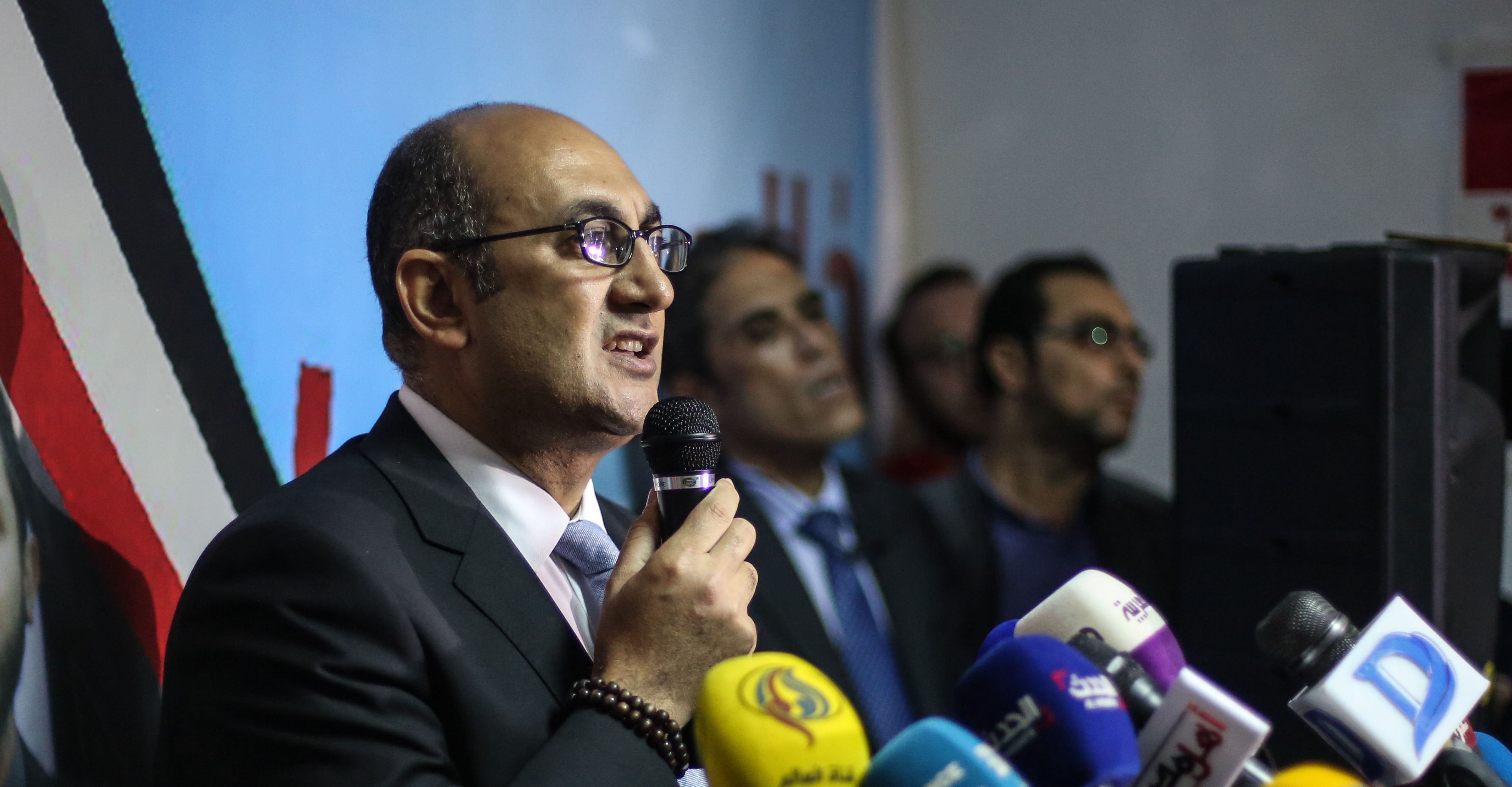
The Bread and Freedom Party: A leftist opposition party in post-coup Egypt
Apart from Safty, nine members of the leftist Bread and Freedom Party are currently detained.
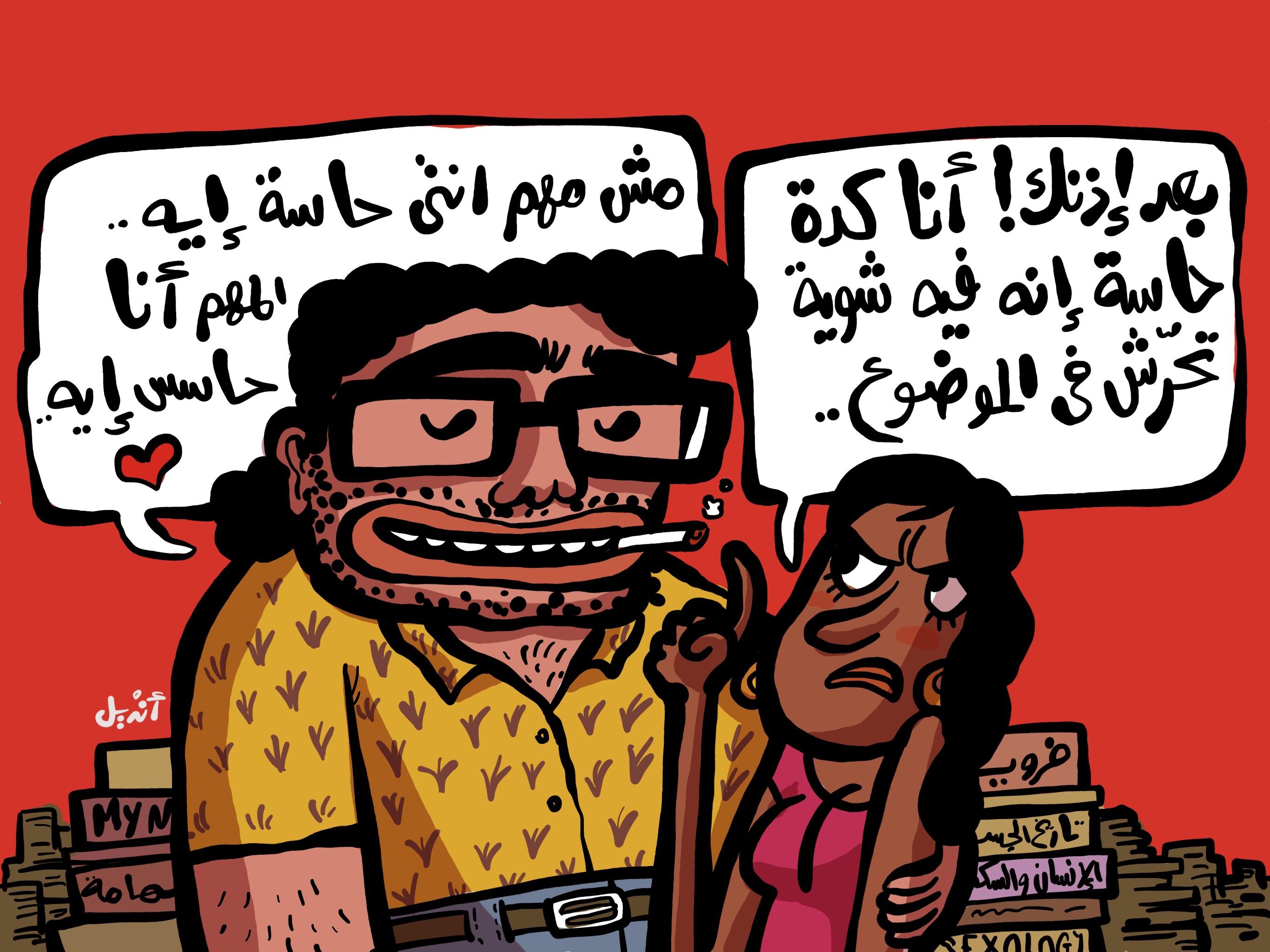
Looking past forced smiles
A recent case of sexual violence in a progressive political party raises questions of consent and justice among Egypt's civil society
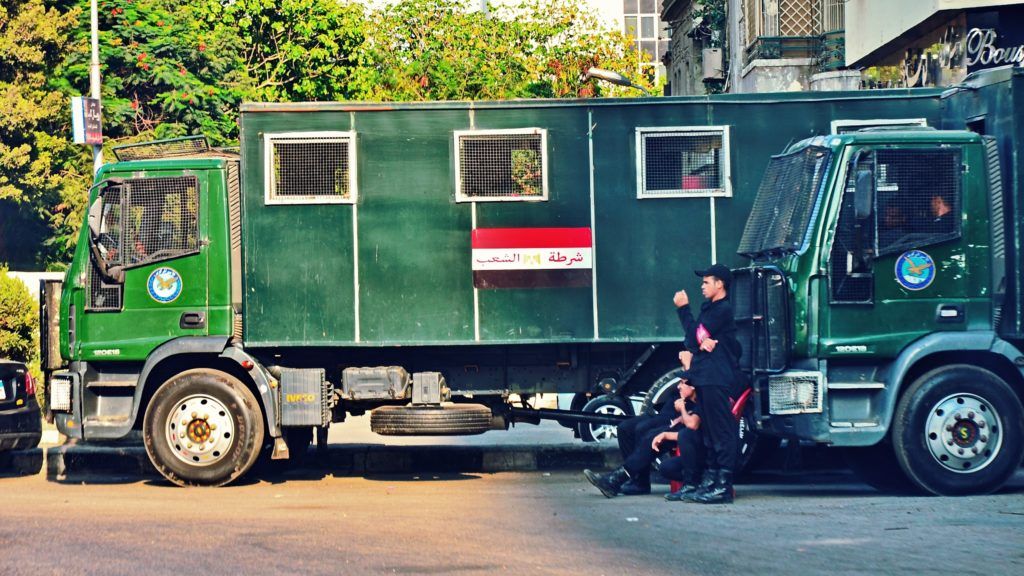
Arrests of political opposition continues, former presidential candidate Khaled Ali summoned for questioning
Activists say arrests are part of an attempt to curtail opposition before 2018 presidential elections
Your support is the only way to ensure independent, progressive journalism survives.
You have a right to access accurate information, be stimulated by innovative and nuanced reporting, and be moved by compelling storytelling. Subscribe now to become part of the growing community of members who help us maintain our editorial independence.
Join us