
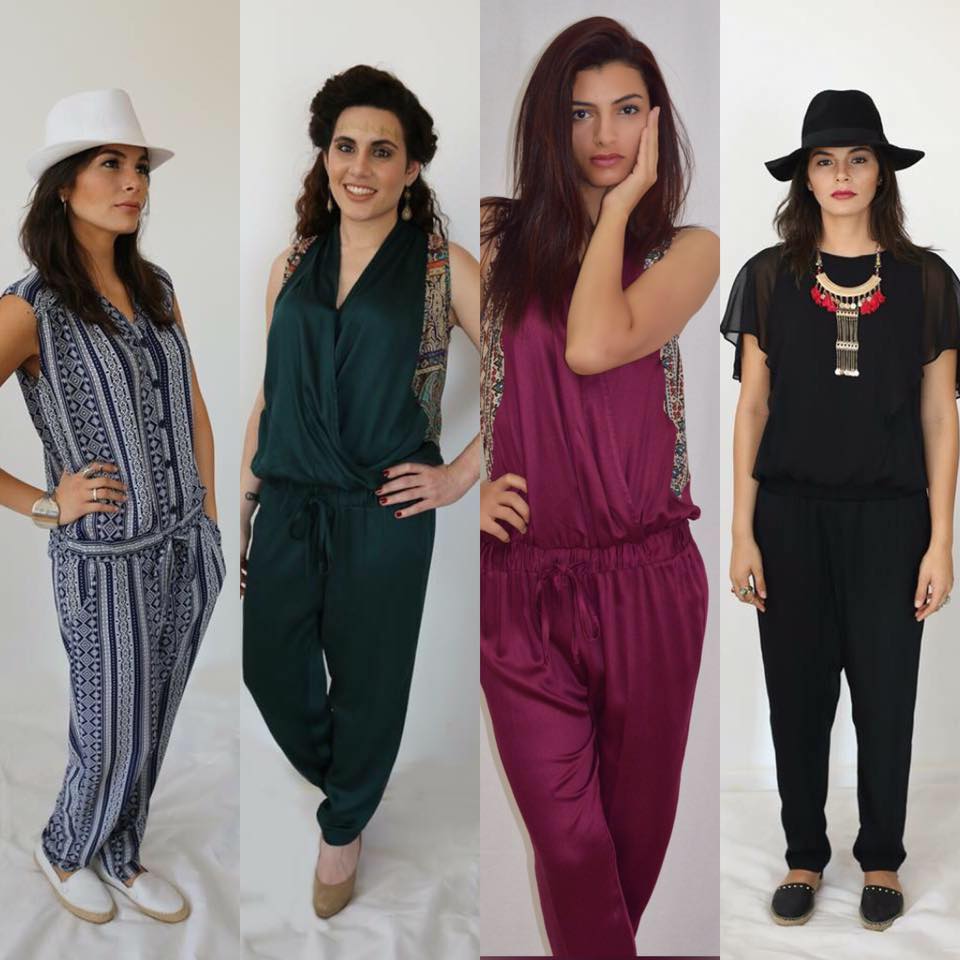
Fidele: Designing confidence while searching for direction
Leather biker jackets featuring lace. A dress of rose fabric that has a sharp cut. A delicate evening jumpsuit. There’s a duality to Wafaa Latif’s high-end, ready-to-wear day and party attire — soft and hard sit side by side.
“I’ve finally understood myself as a designer — that this is what I want to show,” she says as we sit in a side-office in her small, organized Heliopolis studio. “Women are not that cute or that bad, either. We have both inside us; we can always be both.”
The jacket was part of her winter collection, and the dress part of her spring/summer collection for the coming year, which she will show at Egypt’s first Cairo Fashion Week. Latif, 30, is participating in this week’s event with her label Fidele, alongside other young designers and more established ones.

Trained as a pharmacist to join the family business, Latif started taking fashion design in her final year of university. She would do pharmacy classes during the day and fashion courses by night at downtown Cairo’s erstwhile Zamer Fashion School. She then worked in several pharmacy-related jobs — disliking them all — as she made the shift to freelance fashion designer, before launching her label in summer 2014.
Theatrical costumes had long fascinated her, but she knew that first she needed to know how to make clothes. So it made sense to study fashion — and she was also consumed with a childhood dream of having her own brand. As a girl, she already knew she wanted a design label and to call it Fidele, the translation of her name, which means “loyalty,” in French.
On top of disparate jobs in fashion — stylist, designer, wardrobe coordinator — she now also works part-time in theater on costumes and writes about film costumes for the fashion magazine Blk99.
She gets pretty excited about this. “You talk with the director and the writer — and both are often crazy or all over the place,” she says, “and then you are the one imagining it. You actually create someone who is not here, and it’s down to you whether the character is believable or not.”
“It’s not like you can just put horns on someone evil or give a robber a stripy t-shirt,” she adds, explaining that she reads up on psychology and does a lot of observation. “You have to be a bit tricky, just like normal life is tricky.”
While Latif loves the technical aspects of making clothes and takes pride in what she describes as the simplicity of her fashion designs, she also cherishes being able to go a bit wild, to unleash her creativity in costume-making.

The drawbacks of a young industry
Latif is unsure if she sees herself working in fashion or costumes a few years down the line. All she knows for sure is that she won’t be returning to pharmacy, and for now, she’s determined to build her brand. That’s why she’s taking part in Cairo Fashion Week, but not Cairo Fashion Festival, which starts just a few days later.
Cairo Fashion Festival and other events that scatter the calendar year are more public- and customer-oriented, she says, and don’t really benefit designers. For a company in its early days, participation is costly. “You have to pay to take part, then of course you have to pay the models, and there’s the costs of accessories and styling and so on,” Latif explains. “I can’t afford to pay all that so people have a fun day.”
But, she adds, “they have a different purpose, and actually I am still not sure where I should be.” she says. So far, she just hasn’t seen anything she wishes she had participated in.
She’s hoping Cairo Fashion Week will be different, and considers it an investment. Ideally it will be like fashion weeks abroad, a chance for designers to make important connections. “It’s not about a lot of people coming, but the right people. A designer needs to meet buyers, store owners and so on. A designer hopes to make a deal. So it’s a bit more of a closed event.”
If it works out, it will be important not just for her, she says, but for Egypt’s entire fashion industry. “We still haven’t had a real fashion show — maybe this will be it.”
Several factors, including the industry’s young age, make it hard for designers in Egypt. Latif wants to make clothes that are immediately recognizable as Fidele, for example — but that’s not easy when fabrics are so limited.
“If I was abroad, I might not start with fabric, but here I have to,” Latif explains. And last summer she learned the hard way that she can’t start working more than two months before the season — fabrics she had ordered from a store a season ahead never came due to a rise in import tax. She had to start again from scratch.
Latif would like to just work in her workshop, but she has to be out there trying to understand what people want and marketing her designs. What she has understood so far is that it’s the middle class in an age bracket of 20-35 who are willing to experiment with brands and colors. Many clothes stores in Egypt tend not to stock bright colors, and older people tend to be reluctant to switch brands.
Her target clients go on Instagram, follow trends and wear a color regardless of what society thinks, she says, noting that “if they see someone in a movie or on television wearing something, they will imitate it.”
“These would be university graduates who can afford to buy their own clothes or have a credit card, or people in new managerial positions who can afford to go to expensive stores,” she explains. The upper middle class, meanwhile, often assume that something Egyptian is of lower quality.
“We always have to address this issue,” Latif says. “I am doing something high quality. If there is nothing wrong with it, why should it be half the price? If you get them the same thing from France for 20 euros and put a price tag of LE1,000 on it here, they will buy it.”
Singer Nesma Mahgoub wore a Fidele dress when she appeared on the television show Enta Hor (You are Free), and when celebrity Tara Emad wore one of her jumpsuits, they pretty quickly ran out.

Fidele is sold through Facebook, Instagram, a website — with a new one coming soon — and in three women’s clothing concept stores: The Dressing Room in Zamalek, Cairo Boutique in Heliopolis and The 1st Floor in Alexandria. Most of the jumpsuits sell at LE750. Latif concedes it’s pricey, but says she barely covers costs.
Latif is friends with several designers who also sell in Egypt’s few concept stores. “We complement one another, more than just compete,” she says. Although they design for the same demographic, they’re also waging a battle together.
Social and psychological confidence
“Clothes that aren’t very revealing, but look nice — that’s what my market is looking for,” Latif tells me.
“If I did a crop top, it would have to go with trousers that have a high waist. If I was working in the US, I could put it with low-waist pants,” she says to illustrate how the nature of Egyptian society affects Fidele’s designs. “But that doesn’t mean these couldn’t be sold abroad — there’s nothing wrong with them.”
She also says she doesn’t do skirts shorter than knee-length (the pictures on her website suggest otherwise, but apparently the model in question was particularly leggy).

The issue for Latif is more about confidence, she says most women feel ok with showing their calves. For her summer collection, she uses light, non-clingy fabrics. “A lot of women are not that comfortable showing body curves, whether socially or psychologically. Some women can and some can’t, regardless of what society does or doesn’t accept.”
“It’s ok to help you feel confident. If you feel more confident in not showing, then it’s fine,” she says. “It’s not about, ‘you’re free, you can wear what you want.’ I’ve been there a lot – ‘Ok, I can wear what I want,’ and then gone out and regretted it."

Her trademark jumpsuits — her most popular items, which have featured in almost every collection — suit all shapes and sizes. Like all her outfits, she produces them in five sizes, from XS to XL. “Whether you’re very tiny or very chubby, the cut will look good. It’s a loose fit, but with a nice shape — it’s not an abaya,” she says.
“So you’re wearing something that looks good, nice prints, a good color — and you’re wearing something different,” Latif says. “I’ll never do a cut-and-paste of foreign brands or copy something from the market, and it isn’t mass production, so you won’t find 40 people wearing it.”
تقارير ذات صلة
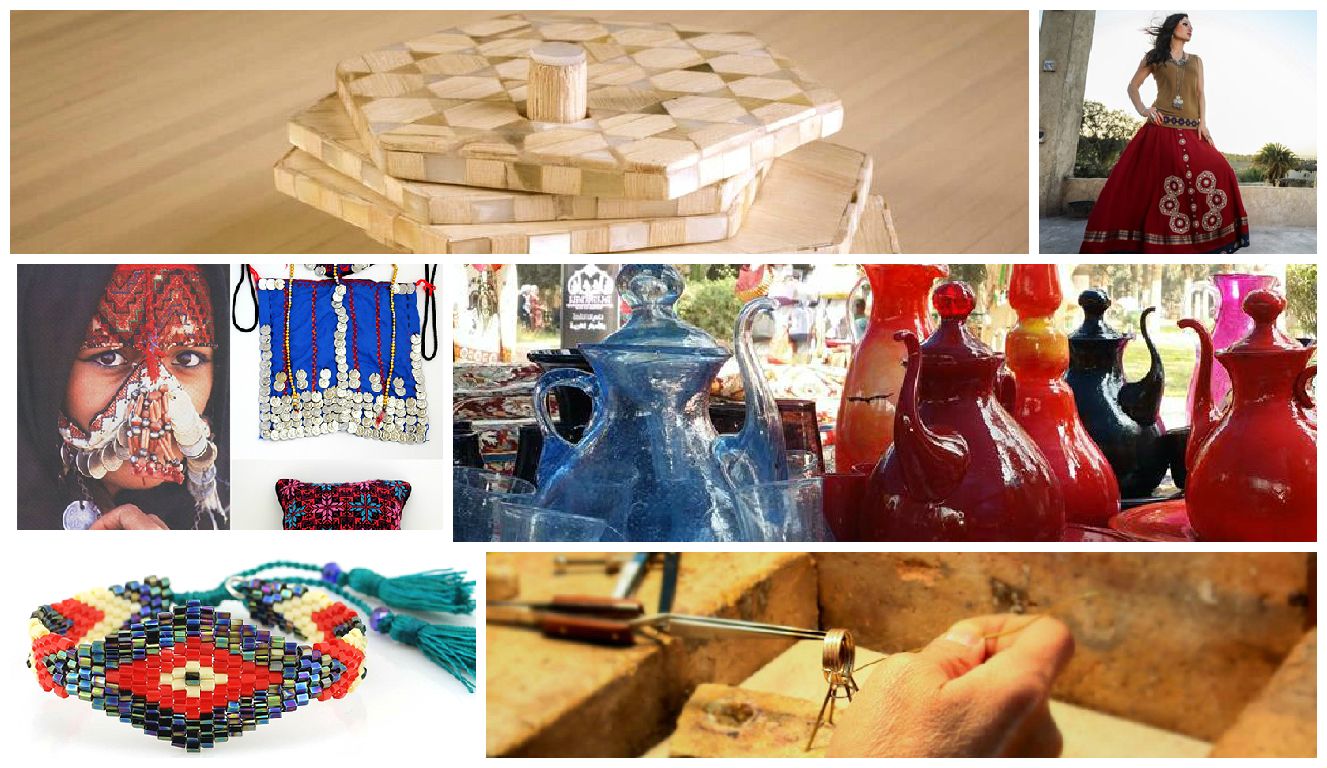
Innovating heritage and artistry in fashion design
In reinventing heritage and authentic artistry as a modern design trend, the talents behind Egyptian fashion brands have been prompted to explore their roots as a means of sourcing inspiration.
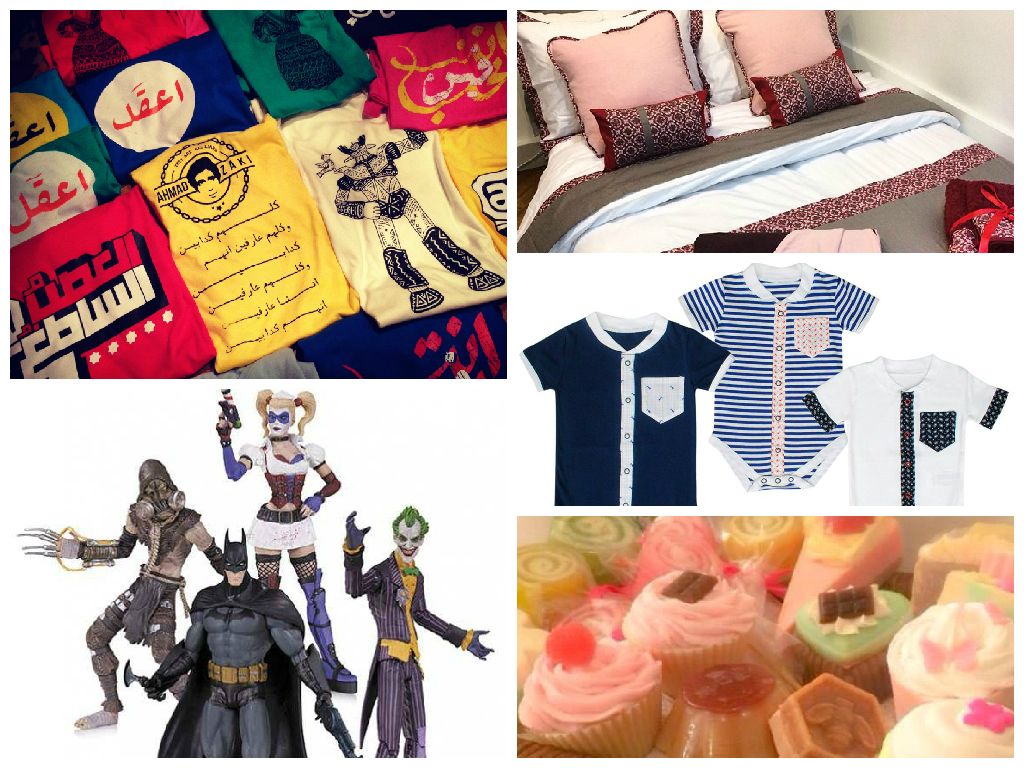
Put a bow on it
Some pointers for where to get well-made, interesting gifts in Cairo.
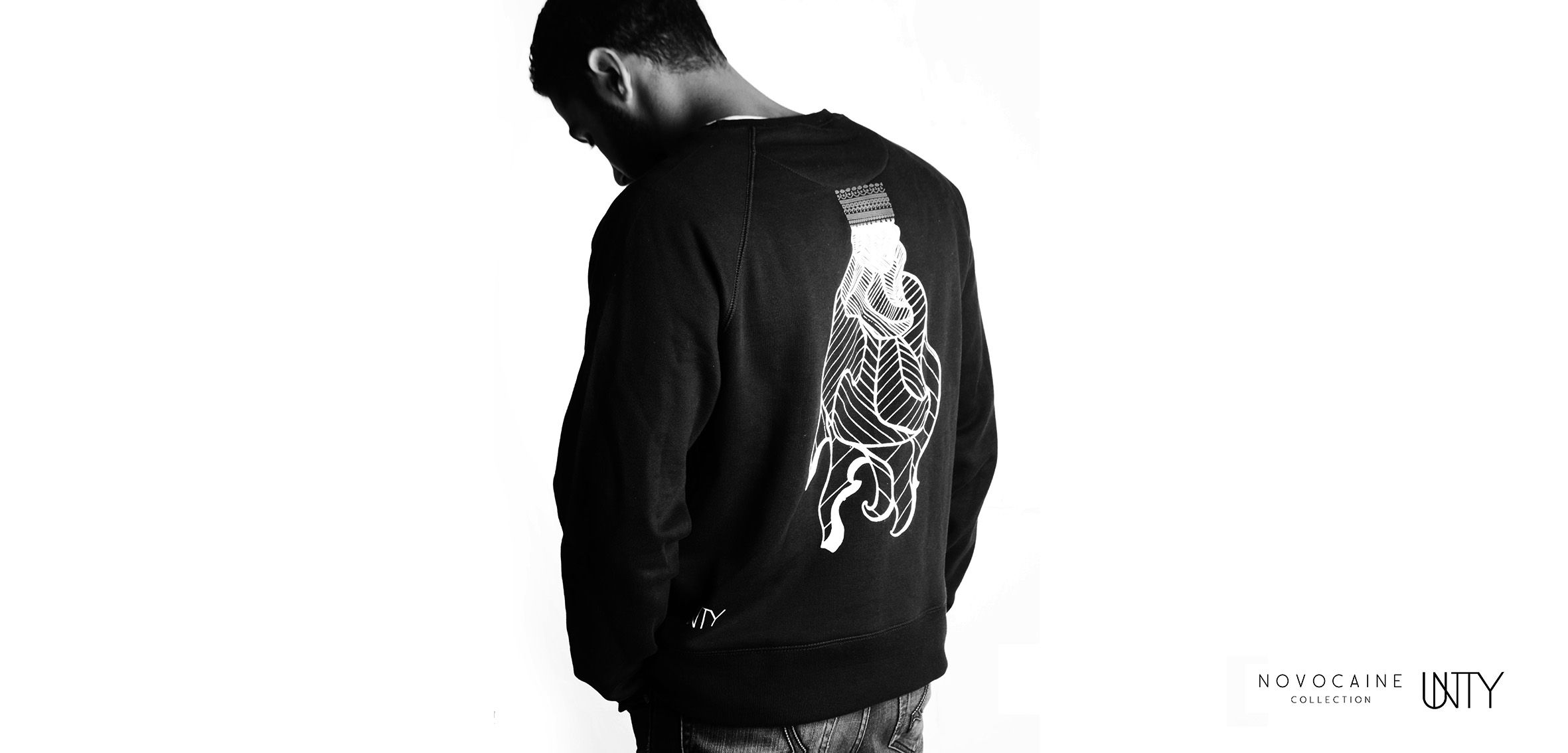
UNTY: Fashion brand fuses art, film and music into designs
Spring is looking promising for t-shirt illustration brand "UNTY" (pronounced “unity"). Founders Omar Mobarek and Mostafa Tarek have big plans for this collaborative project, which seeks to incorporate art, film, music and fashion.…
Your support is the only way to ensure independent, progressive journalism survives.
You have a right to access accurate information, be stimulated by innovative and nuanced reporting, and be moved by compelling storytelling. Subscribe now to become part of the growing community of members who help us maintain our editorial independence.
Join us