
Cinephilia: A one-woman attempt to improve the region’s screenwriting
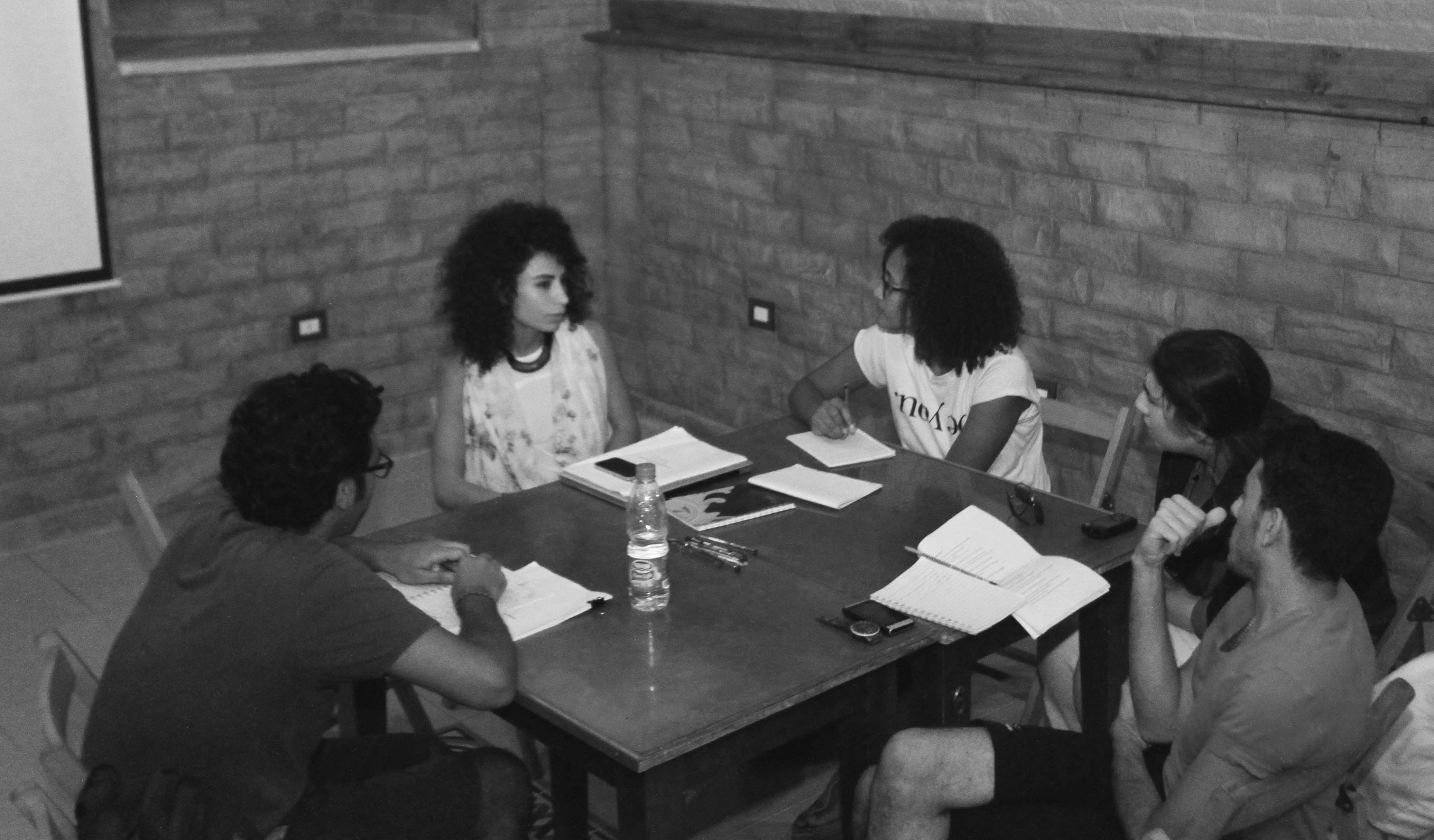
Darine Hotait moves to a small table in the corner of the room, reaches for her “magic box” and takes out five black-and-white photographs.
"I want you to write a three-paragraph story,” she says, handing the photographs to four women and one man, all in their early twenties. “Each paragraph is an act.”
Hotait is a young Lebanese-American short filmmaker who studied script-writing and directing at the Art Center College of Design in California.
Now based in New York, Hotait produces short films through her company Cinephilia. Mostly these are Hotait’s own, but she is now also producing scripts that emerge from the screenwriting labs she has taught in the MENA region for the last two years.
A week-long lab took place last week at Cairo’s Studio Emad Eddin Foundation, part of a tour that also includes Alexandria, Beirut and Abu Dhabi.
Aspiring scriptwriters applied with a first draft of a screenplay or simply an idea they planned to develop. The five selected applicants each paid US$175 to attend.
Cinephilia then produces, finances and distributes the best screenplay from each lab, and owns the rights to the completed films. Participants are given a month of long-distance consultation before submitting their scripts for consideration: this lab's deadline is on December 15, and the winner will be announced in January.
In 2013, Cinephilia produced a 15-minute drama titled Faham (Ash), written and directed by Yasmina Hatem, who took part in the lab in Beirut that year. It’s about a boy who takes a shisha delivery job, and has been shown at various film festivals.
Last year's winning screenplay from Egypt, currently in production, is a 15-minute narrative drama set in Cairo by German University in Cairo graduate Salma Ibrahim.
Marwa Zein, a 28-year-old filmmaker who took part in this year’s lab at SEE Foundation, says that Hotait is an open-minded and skillful mentor. “I started the lab with an idea and ended it with a completely different one,” she explains.
Having handed out her photographs, Hotait instructed the five Cairo participants to write stories that were free of dialog and color, simple narrations through short sentences in the third person.
Hotait teaches her labs alone, aiming to help participants dig into themselves through writing exercises that revolve around imagination and technique. The lab setting is informal. Participants are free to leave the classroom if they feel more comfortable writing outside, and they may write in whatever language they prefer.
A local filmmaker conducts a Q&A session with participants at each lab: in Cairo it was Ayten Amin, director of Villa 69, and in the Alexandria session, which took place earlier this month at Teatro Eskandria, it was Ahmad Abdalla, whose most recent film was Rags and Tatters.
Hotait says most lab attendees are women, suggesting that screenwriting is a safe place to start for young women who want to make films. Some of them are journalists.
She says the quality of work is usually similar in the various countries she is working in. Egypt, Lebanon, Tunisia and Palestine stand out, she says, but Beirut and Cairo are the most advanced, probably because they have the largest film industries.
Aside from the screenwriting labs for shorts and features, Hotait hopes to launch a directing lab. The first Cairo edition was scheduled to take place from September 24 to 28 at SEE Foundation, to be also taught by Hotait, but there were not enough applicants.
“We are struggling a little with it because it technically requires more,” explains Hotait, pointing out that actors would also be needed. “So we are waiting on it to launch it properly.”
She also hopes to find more sponsors that will make next year’s labs free — her current Egyptian supporters are Al Mawred Al Thaqafy and “creative catalyst” Garaad.
Hotait believes that filmmaking in the region lacks content and production values, and that distributors are less accepting of certain genres and are more commercially driven than elsewhere.
She fits her tours around the MENA region into four months per year. The rest of the year she works on her own filmmaking projects, which have a sci-fi focus. She suggests that science fiction is a relatively rare genre in the Middle East because people are much more caught up in the present, and the genre is associated with the English language.
Hotait also curates a program of films from around the region to screen alongside her labs. A screening of five shorts from the Middle East, Africa and Asia took place last week in Garden City’s Room, followed by a Q & A with Hotait.
Meanwhile, the lab participants are working on their scripts to submit to the contest in December.
“I applied for the lab especially for the contest — it’s very hard to get funding for short indie movies,” explains Zein, who studied directing. “I have participated in five screenwriting labs and this is by far the best.”

Amany Ali Shawky
Amany is a Lifestyle and Society Reporter with Mada. With 10 years in journalism and publishing, she has written for everything from news to culture, environment and fashion, street politics…
تقارير ذات صلة
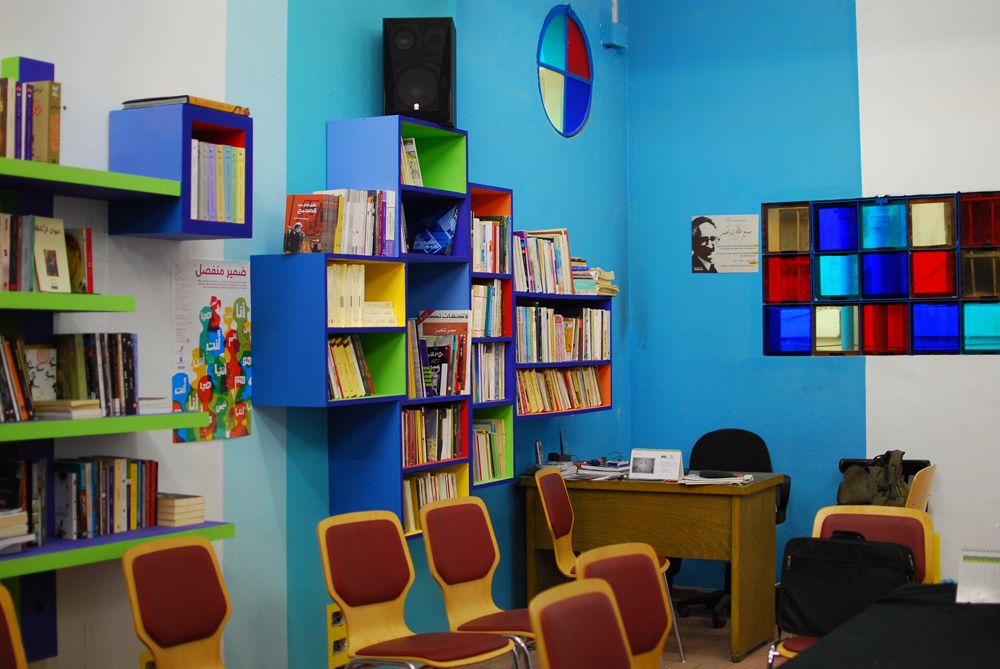
On El Cabina’s exit from the Alexandrian art scene: A new beginning for Gudran
Visiting El Cabina for the first time in 2012 marked the beginning of my love affair with Alexandria. Completely transformed from an abandoned building that once housed the air-conditioning unit…
How to become an independent musician?
Ahmed Naji gives us six tips. Reading time: Four minutes.
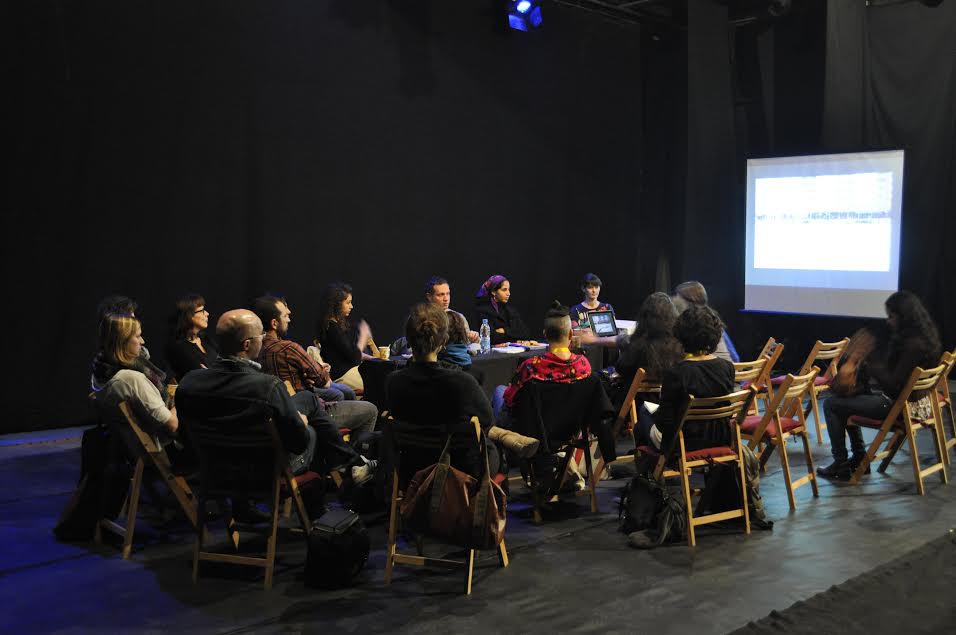
Clapping along with everyone else: A short play about a dance meeting
We are offered plenty of themes to choose from. But there’s one particularly disputed premise: What does it mean to be an independent artist?
Your support is the only way to ensure independent, progressive journalism survives.
You have a right to access accurate information, be stimulated by innovative and nuanced reporting, and be moved by compelling storytelling. Subscribe now to become part of the growing community of members who help us maintain our editorial independence.
Join us