
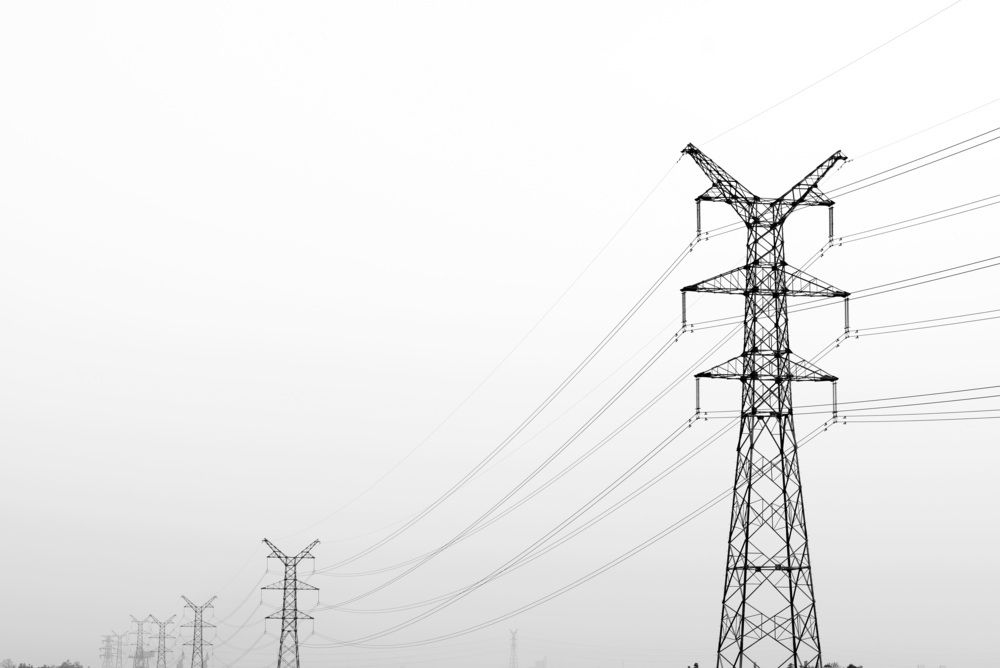
Brace yourselves for higher electricity prices
Bills for most household consumers will go up by at least a third, according to new electricity prices announced this week.
In a Monday press conference Egypt’s Minister of Electricity Mohamed Shaker outlined the new prices, which will come into effect for this month’s bills. On Tuesday, Shaker told financial newspaper Al-Mal that the ministry will also begin imposing a “service charge” ranging from LE1 per month to LE20 per month, depending on usage.

The first few usage segments are extremely low, notes Akram Ismail, a power engineer and activist. “50 kilowatt hours per month means that you are only having a lamp,” he says. Simply running a refrigerator in addition to basic household lighting could easily put a family above 150 kilowatt hours per month. Most households in Egypt consume between 50 and 500 kilowatt hours, Ismail says.
The new rates imply that a household consuming 500 kilowatts of electricity per month will now pay LE237 per month (plus the new service charge of LE8 and any additional fees), instead of LE174, a 36 percent overall increase in basic charges.
According to the ministry, the price increase is needed to compensate for a rise in the cost of generating electricity, and to fit into President Abdel-Fattah al-Sisi’s plan to cut energy subsidies, announced in 2014. The minister denied that the price hike is connected to the International Monetary Fund. Egypt is currently in loan negotiations with the fund.
Egypt relies on natural gas to supply most of its energy. In the past, the country could rely on domestically produced gas to fuel its power plants, notes Ismail, a power engineer and activist. Since 2014, Egypt has been importing liquefied natural gas, leaving the country dependent on either global market prices or fuel aid from its allies.
In an attempt to reduce electricity cuts, the current government has made building new power plants a major priority. Over the last three years, Ismail estimates that Egypt’s power generation capacity has increased by 15 percent. A huge generation complex being constructed by Seimen’s will add even more.
These new power stations — and the imported gas — help keep the lights on in Egypt, but they have also put a strain on the budget. Egypt is hoping that future projects will be driven by the private sector, Ismail says. “They are thinking about privatization, to give the private sector the room to operate,” he says. “This needs a price high enough to be attractive.”
Keeping an eye on your electricity bill

With prices going up, it’s more important than ever to make sure you’re being charged correctly. Check your bill to make sure the usage matches what is displayed on your electricity meter. Because getting knocked into a higher consumption bracket means you are charged more for each kilowatt you use, you could end up paying extra if the power company undercharges you one month and then makes it up the next. Spot any problems? Well, the electricity minister says a service center will be available to take your calls come September.

Isabel Esterman
Isabel Esterman holds Master's degrees in Journalism and Asian Studies from the University of California, Berkeley. Before somehow winding up in Egypt in 2011, she worked and studied in Indonesia,…
تقارير ذات صلة
Let it rot?
A new boycott campaign out of Port Said aims to tackle soaring fish and seafood prices
How will the government freeze on electricity prices for industries affect the renewable energy sector?
Renewable energy companies say the move will significantly harm the sector over the next five years
Making ends meet: 6 stories of household budgeting
Mada Masr profiles six people with different incomes to explore how price increases are affecting them
Your support is the only way to ensure independent, progressive journalism survives.
You have a right to access accurate information, be stimulated by innovative and nuanced reporting, and be moved by compelling storytelling. Subscribe now to become part of the growing community of members who help us maintain our editorial independence.
Join us