
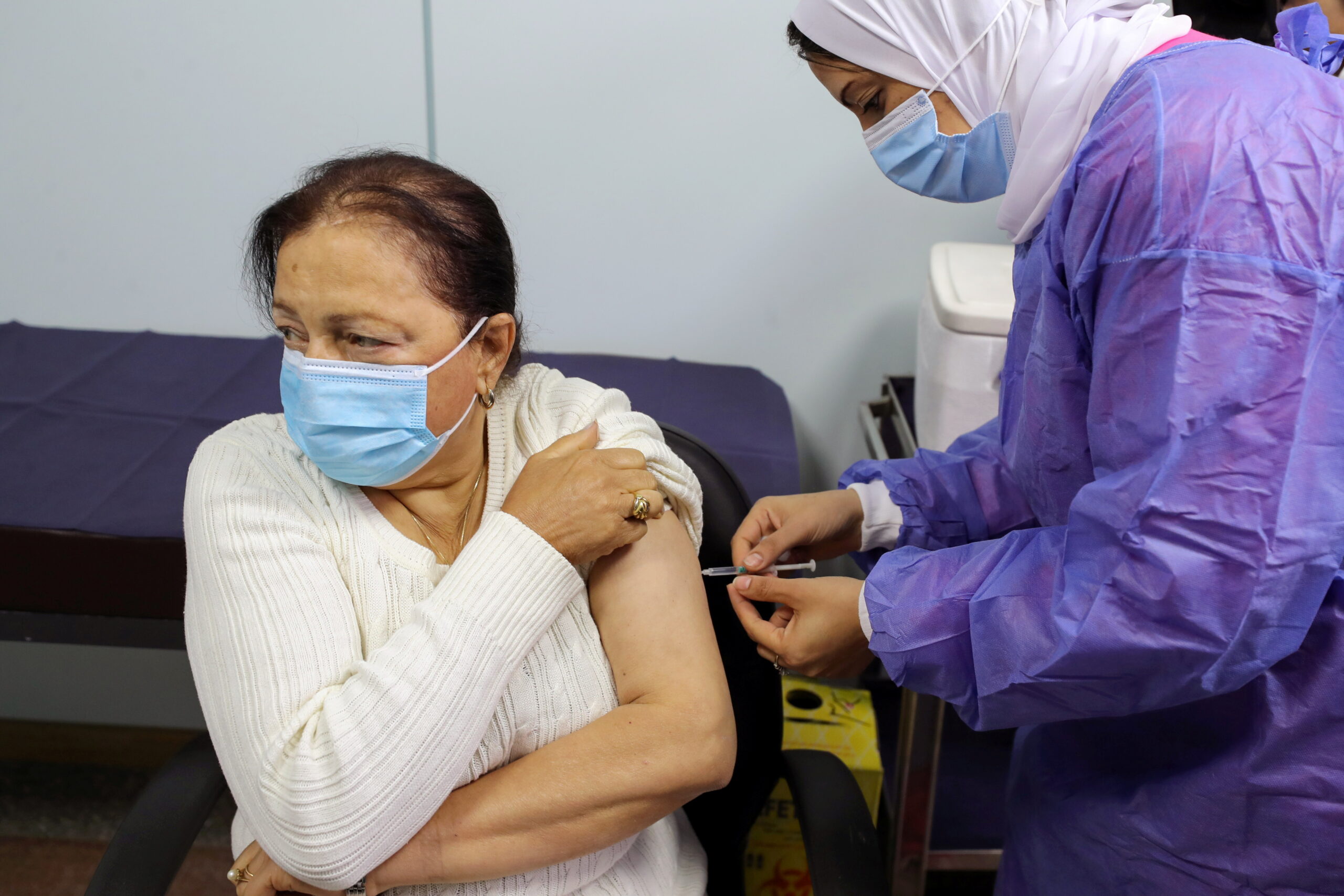
As Egypt looks to ramp up vaccinations, some gain privileged access with favoritism coming into play
Egypt announced last week an ambitious target to finish inoculating 35 million of its citizens against the coronavirus by November, the equivalent of around a third of the total population in the next three months.
The target will require Egypt to accelerate its rate of vaccination, though it is unclear by how much.
A government statement in August claimed that 14 million people have been vaccinated in Egypt so far, which means the pace of vaccination would have to accelerate to more than three times the current rate in order to hit the November target.
However, other government officials announced very different figures, calling even further into question whether the government can hit its goal. At the beginning of August, a Health Ministry advisor said that just 4 million people had received the vaccine. The World Health Organization, meanwhile, reports that just 6.5 million doses had been administered until mid-August.
New initiatives emerged in July and August to expand the capacity of the vaccination centers available to the general public, including a targeted rollout to both public and private schools and universities where vaccinations are compulsory for students and teachers, and a new raft of 145 travel vaccine centers for those seeking inoculation in order to travel abroad.
On Sunday, the government also announced that vaccination will be compulsory for all workers in the health, education and “government” sectors, though they did not specify whether this would apply to all employees across the civil service and public industry.
However, many of those vaccinated in Egypt have already received their shots through parallel systems that are not available to the general public, according to several medical and government sources, including vaccination on offer to government agencies and ministries and vaccinations being offered by mobile units. The sources also suggested that while targeted routes to vaccination may relieve pressure on the public system, and were initially intended to ensure that those most in need of the vaccine were able to get it, in practice these systems have allowed privileged access to vaccination for some and not for others.
Egypt’s national vaccination program was launched in early 2021, offering vaccines according to a hierarchy based on need. Doctors and health staff were targeted first in January, and the general public was later invited to sign up via an online system that would schedule appointments at vaccine centers, prioritizing the elderly or people in vulnerable categories. To date, there are 657 vaccination centers catering to the general public across the country.
Since July, a set of 145 specialized clinics have opened to cater to those seeking vaccination for travel while on Sunday, the Health Ministry also announced that vaccination would be compulsory for all staff and students in the education sector, the health sector and “the government sector.”
Parallel systems, which include mobile units in and around vaccine centers, may help alleviate the pressure on the public vaccine centers, where people have described overcrowding. A source from the Health Ministry’s Crisis Management Unit told Mada Masr on condition of anonymity that “from day one” the ministry noted that the staff capacity at the centers was not sufficient to vaccinate large numbers of people.
Doctors working at public vaccination centers told Mada Masr that mobile units deployed at schools, within and nearby existing health units have also played an important role in reducing the pressure on public vaccine centers. A doctor at a public vaccination center in Heliopolis told Mada Masr on condition of anonymity that mobile teams of “Health Ministry employees come to the center with their laptops, register elderly people and send them texts immediately so they can be given the vaccinations on the same day.”
While the procedure was intended to help the elderly at first and was administered at random to people coming to vaccination centers to enquire about how to register, the doctor said the system has increasingly been marred by favoritism and preferential treatment in doling out vaccines. Another doctor at the major vaccination near Cairo International Convention Center also said that favoritism had come into play at a mobile unit within the center, which is tasked with registering and administering the vaccine to particular people.
The doctor at the Heliopolis center also said that the Heliopolis Health District recently allocated a mobile unit to register and vaccinate members of the Shams Sporting Club, which they claimed was a good idea to reduce the pressure on the public vaccination center.
Sources also told Mada Masr that government employees have been getting vaccinated outside of the public system since before April.
It is not clear exactly how many people have received the vaccine via their government workplaces. The Health Ministry source said that when shipments of the vaccine come in, they are allocated to the Health Ministry’s local directorates in each governorate, which is then responsible for distributing them to the separate health districts within the governorates. Each district will in turn send some of the shots to local vaccine centers while others go to the local departments of different ministries. The proportion of shots going to ministries was small at first, the source said, and got a boost around mid-April.
The source said that people working at the Interior Ministry, the Defense Ministry, the Foreign Ministry and the Finance Ministry were the first to be targeted, before the program expanded to cover the ministries of Justice, Petroleum, Tourism and Antiquities, Education, and Higher Education.
The Health Ministry began in March to train workers from each ministry or government agency on how to use the government’s online vaccine system, the source said, to allow for staff at each particular organization to take on responsibility for vaccinating workers at the agencies and ministries where they were employed.
According to the source, the Health Ministry provided each government agency with digital accounts that gave them administrative access to the national online registration system where they could register shot-seekers, give them appointments, upload copies of their health records and issue them with vaccine cards once they had received their shots.
In granting government workers preferential access to the vaccine, the government also appears to have devolved responsibility for determining how access to the vaccine should be prioritized in those workplaces.
A Justice Ministry employee told Mada Masr that judges at several judicial bodies received vaccines at their workplaces, but that lower grade employees are yet to be vaccinated. A source at the Petroleum Ministry, meanwhile, said that age and health condition have not been factored in and that “leaders and their families” have been vaccinated first, with lower grade employees vaccinated later. The Health Ministry source likewise said that some ministries vaccinated the families of their workers.
Members of the House of Representatives and the Senate similarly told Mada Masr in April that they and their families had been vaccinated against the coronavirus within the Parliament buildings regardless of their age, to enable them to carry out their tasks and mix with large numbers of citizens.
It’s not clear if the new directive for compulsory vaccination for everyone working in government will ensure that lower grade employees will be next in line for their shots.
By Mada Masr's count of the vaccine shipments that Egypt has announced, Egypt has received at least 7.7 million doses of various coronavirus vaccines so far, including Sputnik V, Sinopharm, Sinovac, AstraZeneca and Johnson and Johnson, and it has locally assembled a further million doses of Sinovac.

تقارير ذات صلة

Devaluation drama and hot money’s return: What happened with the pound’s historic plummet?
'As long as there is more demand than supply, the price of the pound will continue to decrease.'
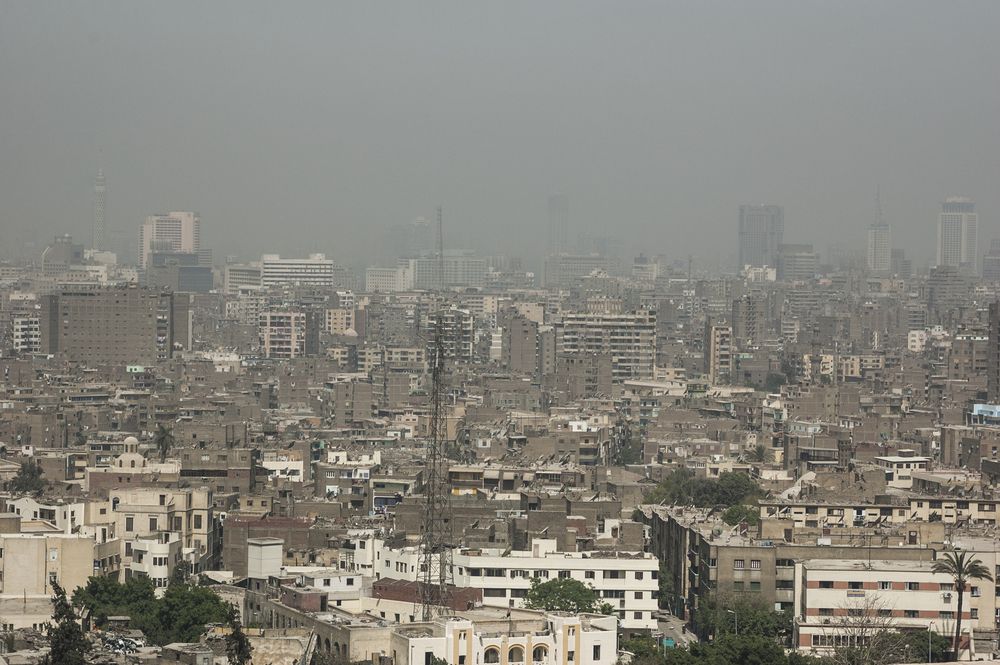
Q&A: Egypt’s emissions, the environment, and the relationship between air pollution and COVID-19
The loudest voices in this area are not those of environmental scientists, but of investors
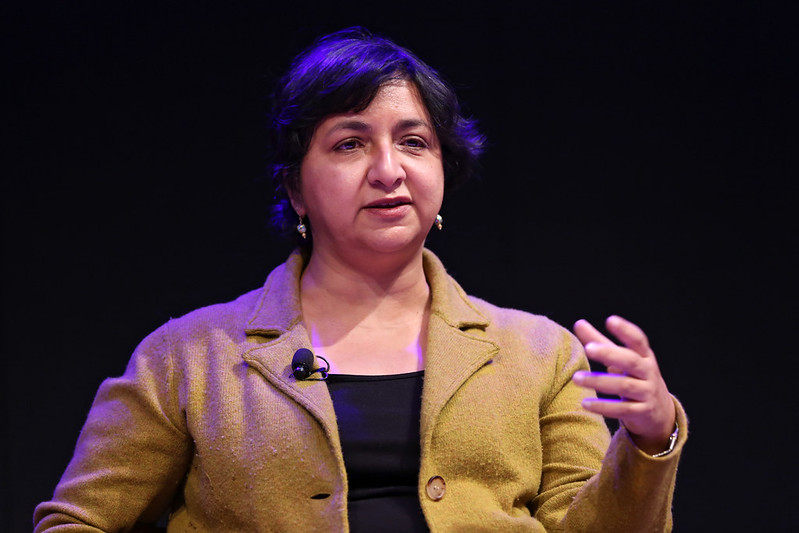
Q&A with anthropology professor Hania Sholkamy | On the need to rethink social spending as crisis response after COVID-19
The pandemic exposed flaws in the way social protection is thought about in Egypt
Your support is the only way to ensure independent, progressive journalism survives.
You have a right to access accurate information, be stimulated by innovative and nuanced reporting, and be moved by compelling storytelling. Subscribe now to become part of the growing community of members who help us maintain our editorial independence.
Join us