
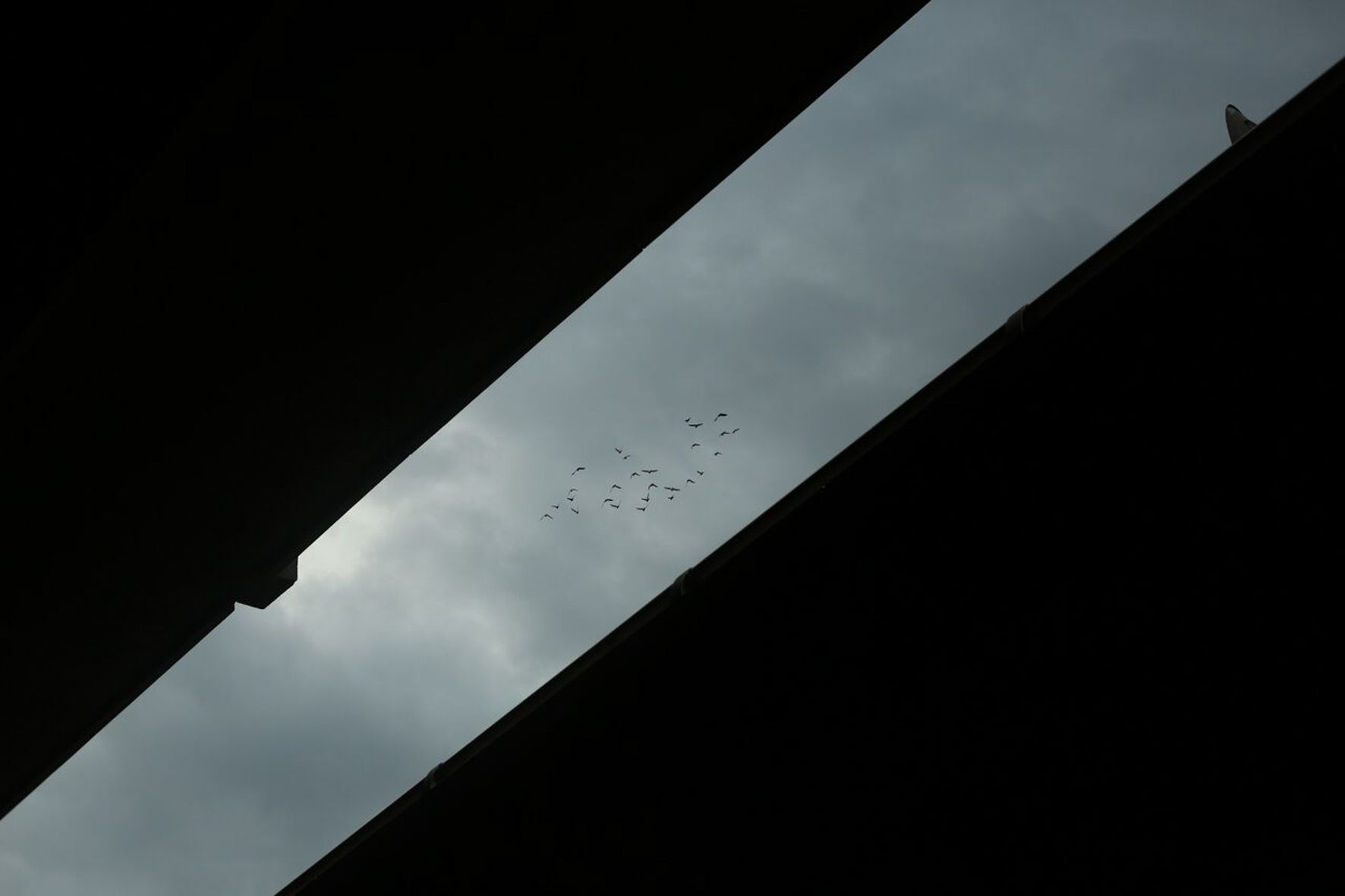
Retrospective: Arab Documentary Photography
In 1867, Felix Bonfils opened his famed photographic studio in Beirut launching studio photography as a popular medium of documentation and laying the groundwork for an expanding art form beyond Lebanese borders.
Today documentary photography in the Arab world continues to expand, and with the advent of newer technologies and cameras becoming more affordable, there has been an explosion of photographers throughout the region.
One program that has fostered this expansion in documentary photography is the Arab Documentary Photography Program, established by Magnum Foundation, Prince Claus Fund and the Arab Fund for Arts and Culture.
So far over 45 photographers have passed through ADPP in the last five years working in a variety of disciplines of photography. The main aim of the program has been to cultivate visual narratives that address a myriad of social and personal subjects within the Arab world by photographers who live in the communities they document.

Grantees are given a stipend and an opportunity to work on long form photographic projects under the guidance of mentors Eric Gottesman, Peter Van Agtmael, Randa Shaath and Tanya Habjouqa, meeting twice in Beirut for workshops.

For Mustafa Saeed, from Somalia it was the first time to experience being part of a working group. He describes how much he learnt from being in the same place as different photographers with different styles of visual storytelling. “The experience and all the discussions about different projects and methods first hand, it isn’t the same as logging onto online courses or watching YouTube trying to digest information, it was totally different and enriching.”

Roger Mokbel, describes his participation in the program as a milestone in his life. “It expanded the definition I had of documentary photography and allowed me to use creativity as a means of self-expression,” he says.

Hadeer Mahmoud found that several of the people who took part in her project about couples separated by arrest and imprisonment during post-revolution Egypt found some relief “as it offered them an opportunity to talk about their stories and shed light on the situation of their husbands.”
Also focused on post-revolution Egypt, Hamada El Rasam documents the grief that cuts through religious, social and economic differences, exploring how people process their mourning of loved ones and of a revolution.


Samar Hazboun brings a new angle to the divisiveness of checkpoints and the absence of freedom of movement for Palestinians in the West Bank. Her project documents how many women are forced to give birth at these checkpoints. “I do a lot of research for my work, as well as spend a lot of time with the people I’m interviewing.”

For Iman Al-Dabbagh who faced criticism from some family members for her project as being shameful, the program was an opportunity “not only for this work to see the light, but also for me to start narrating daringly and without fear, just like the people I photographed.”

Tanya Habjouqa, one of the mentors, describes “the unnatural elements of mobility in the region.” Between the lack of access and the tedious bureaucracy to navigate this reality, “sometimes we have to be creative and think out of the box in how we communicate and access each other.”
Indeed Jessica Murray, the director of Al-liquindoi, the organization that runs the workshops, says that the biggest challenge has been the obstacles to movement for many of the photographers.
But, she says that the flexibility of the program is what makes it unique. Syrian photographer Eyad Abu Kasm was accepted into the program, but like many Syrians was forced to flee Syria and found his way to a camp in Germany. After deliberations, the partners at ADPP decided to reinstate his grant, although he was no longer in the Arab world. “This type of exception to the rules is what makes ADPP a genuinely wonderful program in my view.”

As a mentor, Habjouqa believes good documentary photography needs to be personal and to also challenge political and social establishments. “It is one of the few spaces to be critical of socio-political happenings.”
“Considering the work and the quality of work that exists, we should be doing limited edition books,” Habjouqa says, adding that she hopes that the program’s work can be further institutionalized and developed.

Amira Al-Sharif’s project illuminates one of the most under-reported sides of life in Yemen, “How we, Yemeni women, fight the war by caring for those around us — from our partners, parents, children, relatives, and neighbors to societies at large.”
“I have not yet come to terms with how the war has affected me personally. It has directly killed thousands of innocent people, and tens of thousands more through hunger and disease. Whenever I think of giving up — I have indeed thought of giving up — I remember the fighting spirits of these women.”
There is a current open call for submissions for the Arab Documentary Photography Program. The deadline is May 1, 2019.
بانوراما أخرى
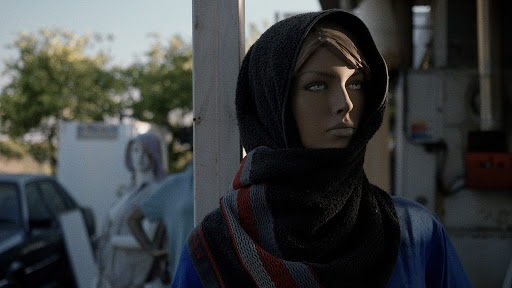
Experiencing Beirut one year on
Five short films about the blast were selected for the program "Beirut: One Year Later"
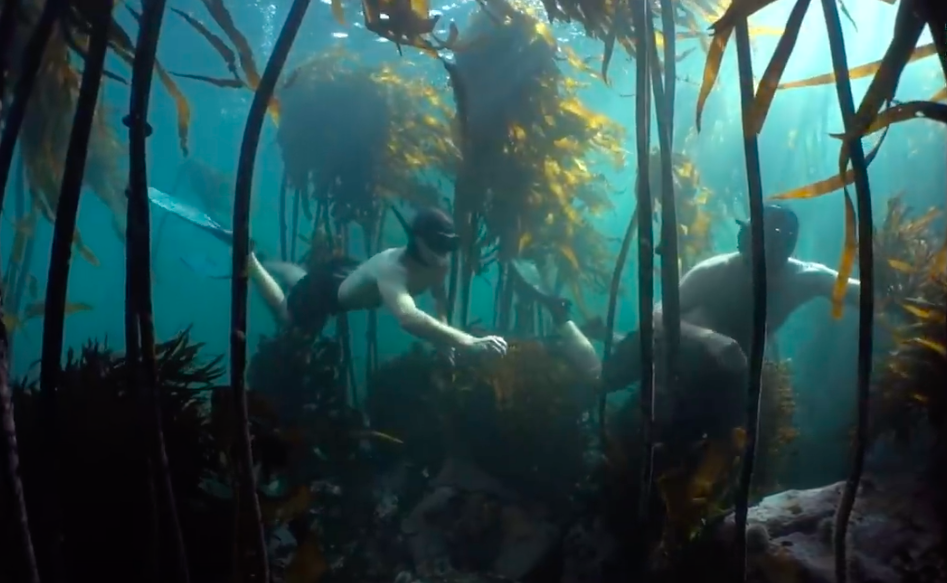
Detox | Autumn antidote
When I am anxious, I usually put on a documentary about the lives of lions in central Africa.
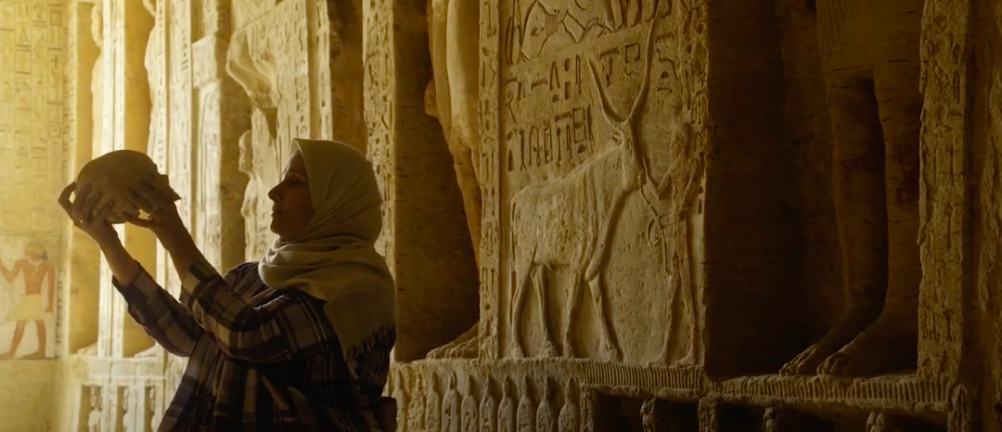
Detox | An adventure in your living room
According to the film, the expedition unearthed more than 3,000 artifacts.
Your support is the only way to ensure independent, progressive journalism survives.
You have a right to access accurate information, be stimulated by innovative and nuanced reporting, and be moved by compelling storytelling. Subscribe now to become part of the growing community of members who help us maintain our editorial independence.
Join us