
Workers strike for minimum wage at Ceramica Venezia, management closes Giza factory
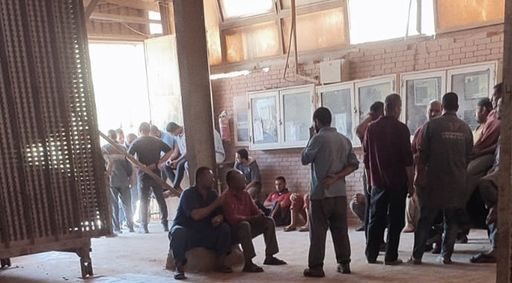
Administrative security personnel blocked striking workers at Ceramica Venezia from entering the company’s Giza factory on Wednesday, the factory’s workers told Mada Masr on condition of anonymity.
Laborers at the tile manufacturing plant began a strike earlier this week to protest low wages and poor healthcare and transport provision amid a cost-of-living crisis.
In response, Ceramica Venezia managers closed the Giza facility, a step that a labor advocate told Mada Masr is “theoretically” unlawful because it requires local authorities’ approval.
Workers began the strike on Sunday, protesting the company’s wages, which two striking workers said fall below the private sector minimum wage.
The government raised the minimum wage to LE6,000 per month in May, but a set of legal exemptions and weak implementation mean that many companies still do not comply. No private sector minimum wage was in place before 2021.
One of the workers said that they earn a comprehensive monthly salary of LE4,300 after 25 years with the company, while the other worker earns less than LE3,500 after 13 years of service.
"The company hasn't implemented any wage adjustments in line with consecutive decisions to raise the private sector minimum wage in recent years,” said one of the workers. “Wage increases in the company have been limited to annual raises," they added.
"Management granted us a raise of only LE300 after a strike last year, during which we also demanded a contract with a private health insurance company and the purchase of an ambulance for emergency injuries, which management ignored." Workers mentioned that work-related injuries occur frequently.
Ceramica Venezia also discontinued a transport service it used to provide to employees, said one of the striking workers. Instead, the company started offering a transportation allowance. Public transportation and fuel prices recently increased nationwide.
After workers began the strike on Monday, the company’s managers closed the Giza factory. Security denied the workers access to the site the next day, on Tuesday, after which police forces prevented workers from gathering outside the factory gates as they attempted to enter, the sources said. A source estimated that around 300 workers were present.
The factory’s response could represent a departure from the laws on responding to strikes. The partial closure of establishments is prohibited without approval from the local labor authority, said Hussein al-Masry, a researcher at the Center for Trade Unions and Workers Services.
Approval is granted based on a request submitted by the establishment's management, detailing the reasons for the closure. In theory, establishments cannot be shut down without this approval.
Yet Masry also noted that establishments can often break the law as no penalties are specified for non-compliance.
Ceramica Venezia is not listed on the Egyptian Exchange, meaning little information is publicly available about the company’s size and value.
أخبار ذات صلة
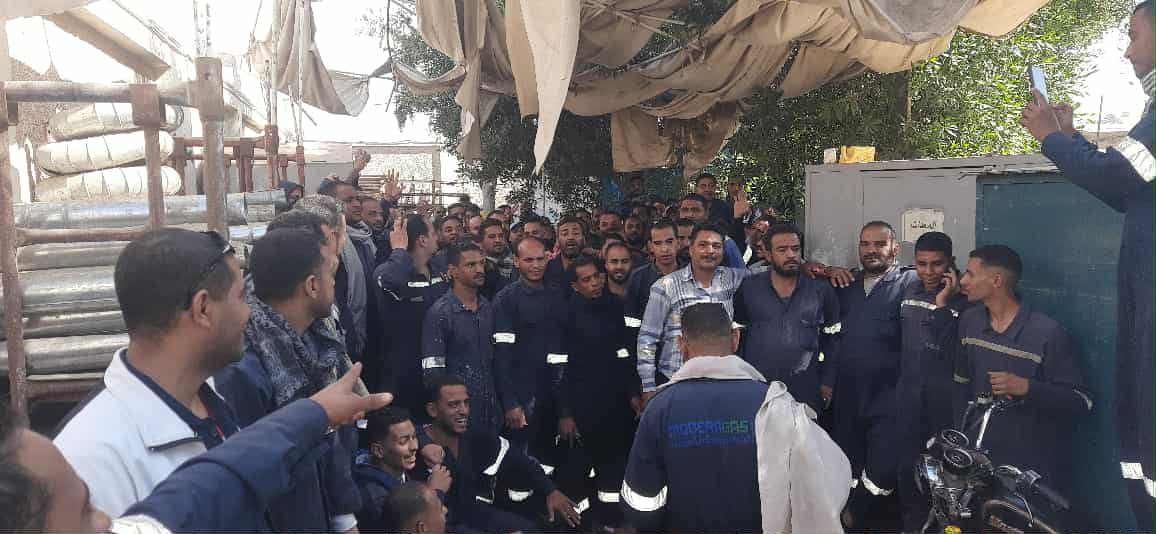
Sixteen gas workers arrested in Qena, Sohag after protesting subcontracting
The National Security Agency arrested 16 workers from branches of the Modern Gas Company in Sohag and Qena governorates on Friday after…
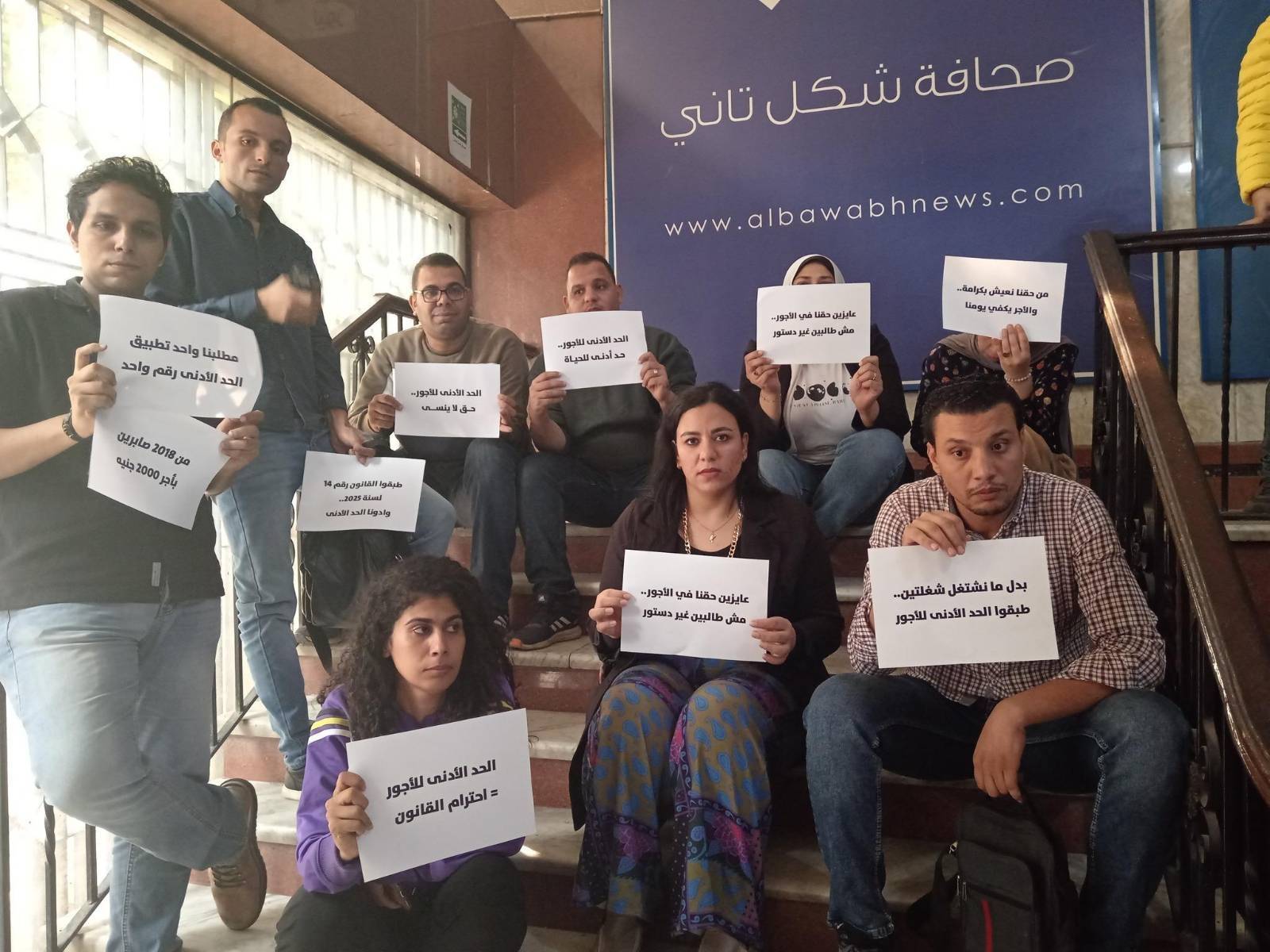
Source: Al-Bawaba News notifies striking workers it plans to liquidate company
Managers at Al-Bawaba News informed its journalists on Sunday that it intends to liquidate the company, a managing editor at the website…

Strike at Egyptian-Chinese drilling company over salaries, bonuses
The source said ECDC management has refused to raise wages since 2023

Court opposes release of arrested workers as labor action concludes at clothing supplier for Levis, UNIQLO, Tommy Hilfiger
The workers will stay in detention facilities until Wednesday morning
Your support is the only way to ensure independent, progressive journalism survives.
You have a right to access accurate information, be stimulated by innovative and nuanced reporting, and be moved by compelling storytelling. Subscribe now to become part of the growing community of members who help us maintain our editorial independence.
Join us