
US Congress aims to further weaken Egypt aid restrictions
A proposed spending bill, published by the United States House of Representatives Tuesday, removes virtually all restrictions requiring that Egypt’s government demonstrate it is moving towards democracy in order to receive US$1.3 billion in military aid.
Instead, the bill only requires that the US Secretary of State submit to Congress a quarterly “report on governance,” outlining democratic measures introduced by the Egyptian government.
This report is to cover steps the government is taking to schedule parliamentary elections and implement reforms to govern democratically, uphold due process of law, improve the transparency and accountability of security forces, protect civil liberties and promote equal rights for women and minorities.
The draft bill does not mention any benchmarks or sanctions associated with this “report on governance” and states that the report can be kept classified “if necessary.”
The Secretary of State is also required to certify that Egypt is sustaining its strategic relationship with the United States and meeting its obligations under the 1979 peace treaty with Israel.
Provided these certifications are made and the governance report submitted, funds designated for Egypt will be available regardless of any laws restricting assistance, such as the United States Foreign Assistance Act, which bars the government from granting aid to countries whose “duly elected head of government is deposed by military coup or decree.”
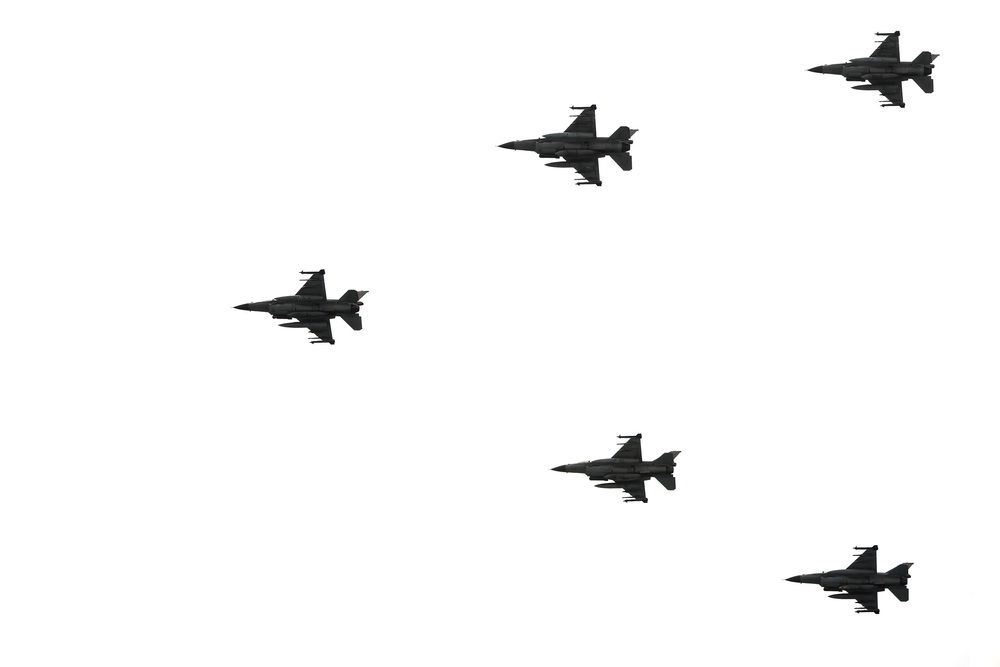
In October 2013, in the aftermath of the overthrow of former President Mohammed Morsi, the US government suspended cash assistance to Egypt’s military and halted the delivery of large-scale military systems, including F-16 aircraft, tanks and missile systems.
Since then, the US government has gradually walked back its restrictions on Egypt.
In January 2014, Congress passed a law allowing funds to be sent to Egypt, provided the country supported US strategic interests and made steps toward democratic governance.
One tranche of aid was to be made available after a constitutional referendum, and a second after parliamentary and presidential elections.
A constitutional referendum was held in January 2014 and presidential elections in May 2014. Parliamentary elections have not yet been scheduled.
With 2014 benchmarks unmet, the United States’ 2015 budget added a new loophole for Egypt: the US Secretary of State could waive these “democracy” requirements if he or she believed doing so would advance American security interests.
Taking advantage of this new flexibility, US President Barack Obama announced on April 2 that the United States would release military aid to Egypt.
The new draft bill does not even require this national security waiver.
The proposed appropriations bill is still subject to debate and amendment. Before becoming law, the bill needs to be approved by both houses of the United States Congress, and signed off on by the president.

أخبار ذات صلة
US designates Muslim Brotherhood in Egypt, Jordan, Lebanon as terrorist organizations, citing Hamas ties
The United States designated the Muslim Brotherhood’s branches in Egypt, Jordan and Lebanon as terrorist organizations on Tuesday, according to a statement…
Trump says US ‘working on’ resolving Grand Ethiopian Renaissance Dam dispute
President Abdel Fattah al-Sisi expressed appreciation for what he described as Trump’s keenness to r

Hamas releases Israeli American soldier Edan Alexander as negotiations to end war resume under Israeli fire
Alexander, a 21-year-old soldier in the Israeli army who was raised in New Jersey, is thought to be
Lawyers reignite fight against govt’s transfer of Tiran, Sanafir islands to Saudi Arabia
The appeal calls for the annulment of the 2017 presidential decree and argues that the transfer viol
Your support is the only way to ensure independent, progressive journalism survives.
You have a right to access accurate information, be stimulated by innovative and nuanced reporting, and be moved by compelling storytelling. Subscribe now to become part of the growing community of members who help us maintain our editorial independence.
Join us