
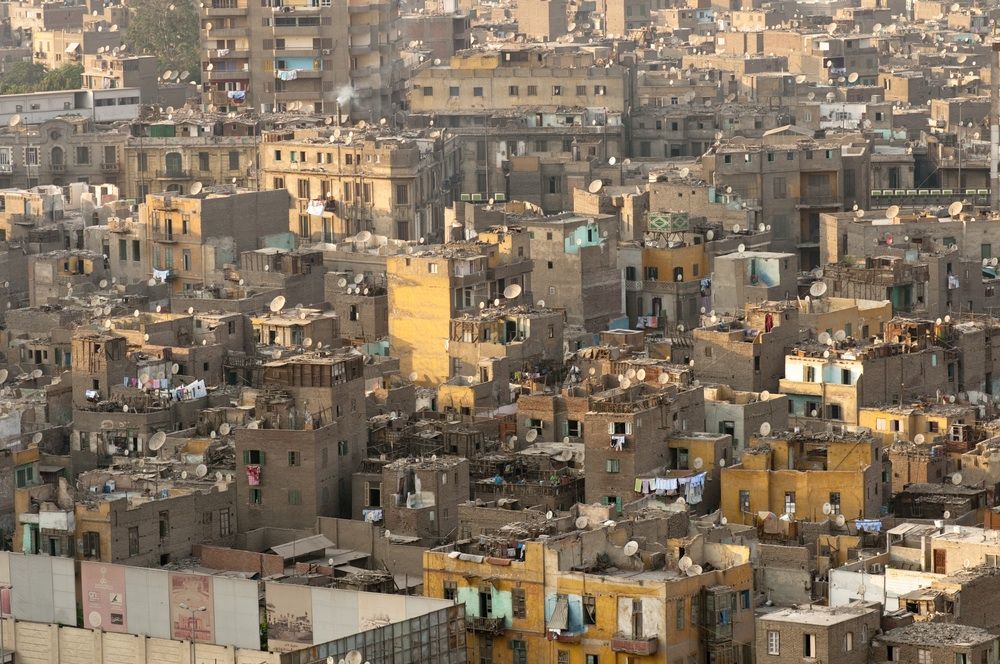
The 10 Tooba institute for Applied Research on the Built Environment launched its Built Environment Deprivation Indicator (BEDI) on Wednesday, which presents visual data on several urban deprivation indicators, including housing affordability and durability, tenure security, urban crowding and access to safe water and sanitation.
Government officials, researchers, academics, citizens and civil society and development institutions can use the indicator to identify areas of urban need, supplementing or revising, for example, the Egypt 2030 Sustainable Development Strategy and the United Nations’ Sustainable Development Goals.
According to 10 Tooba researchers' statistical analysis, an average of 34.1 percent of Egyptian households live in urban deprivation, with the highest percentage being consolidated in Upper Egypt. In Luxor, 37.4 of households suffer inadequate conditions compared to 51.3 percent in Qena, which is the highest rate in the country.
The Nile Delta has the second highest rate of urban deprivation, ranging from 29.4 percent in the Monufiya Governorate to 43.5 percent in Gharbiya. In greater Cairo, the rate came in below the national average, spanning between 23.7 percent and 33.6 percent. In the area around the Suez Canal, the rate is between 22.2 percent and 27.9 percent.
While governorates along Egypt’s borders have the lowest urban deprivation rates – ranging from five percent in the New Valley to 19.5 percent in the Red Sea Governatre, BEDI chief researcher and 10 Tooba founder Yehia Shawkat noted that there was a lack of statistical data available for these areas.
The BEDI allows users to look at both macro and micro level data, filtering for specific focus on certain indicators to examine correlations or emergent trends in Egypt’s urban environments. For example, the indicator shows that 54.3 percent of Egyptians cannot afford to own or rent property, as average housing tenures exceed household incomes. The crowding indicator highlights the fact that 7.7 percent of Egypt’s inhabitants live in extremely crowded areas, defined as one to two-room dwellings.
The BEDI housing durability indicator shows that 3.2 percent of Egyptians live in dangerous environments, while 70 percent live without secure tenure. A further 17 percent are deprived of access to potable water, and 53.3 percent do not have proper sanitation and sewage systems.
10 Tooba attributed rising urban deprivation figures to the government’s decision to allocate a large portion of public spending to facilities in new city projects, which the research institute described as a “failing attempt” to push urban expansion into the desert and away from agricultural lands, subsequently depriving existing urban areas of infrastructural investment.
“Subsidized housing projects built in the last three years primarily depended on a very singular solution: building housing units which proved to be inadequate to most families due to their structure, location or price,” Shawkat stated.
Construction of the BEDI depended on the study and comparison of official data records from various sources. Indicators related to crowding, safe drinking water and sewage were drawn from data from the 2006 Central Agency for Public Mobilization and Statistics (CAPMAS) census report, as the more recent 2016 population census has yet to be released.
The BEDI’s housing durability and tenure security indicators drew from data estimates to compensate for gaps in data and problems in official statistics, with Shawkat explaining that available data is representative of larger trends but is not absolute. Housing affordability data was collected by 10 Tooba researchers and supplemented by Egyptian households’ expenditure and income data collected by CAPMAS.

أخبار ذات صلة
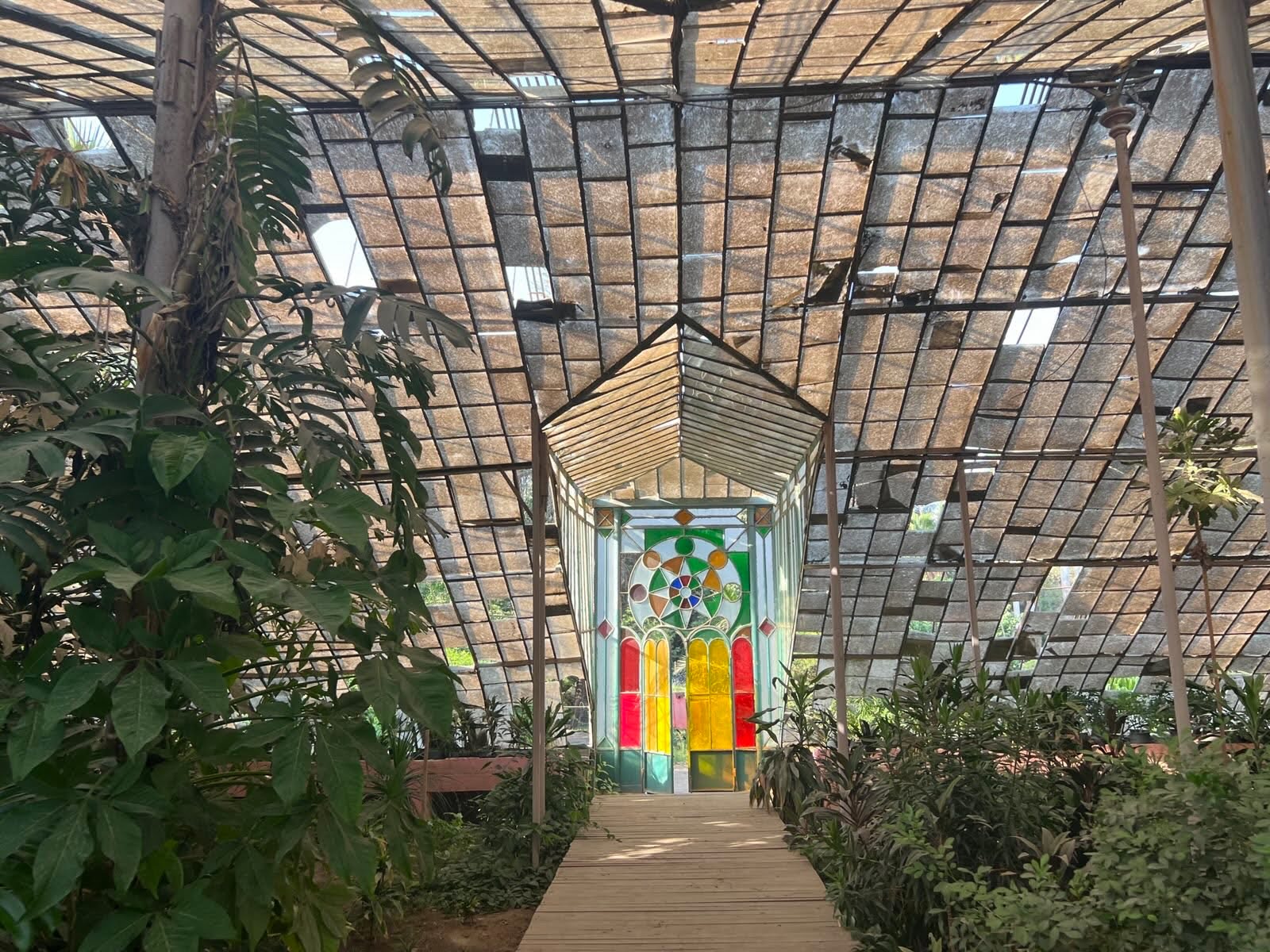
Surprise in the making: The little we know of what will become of Zohriya
Talk of the state's plans to "redevelop" the garden has circulated since 2021
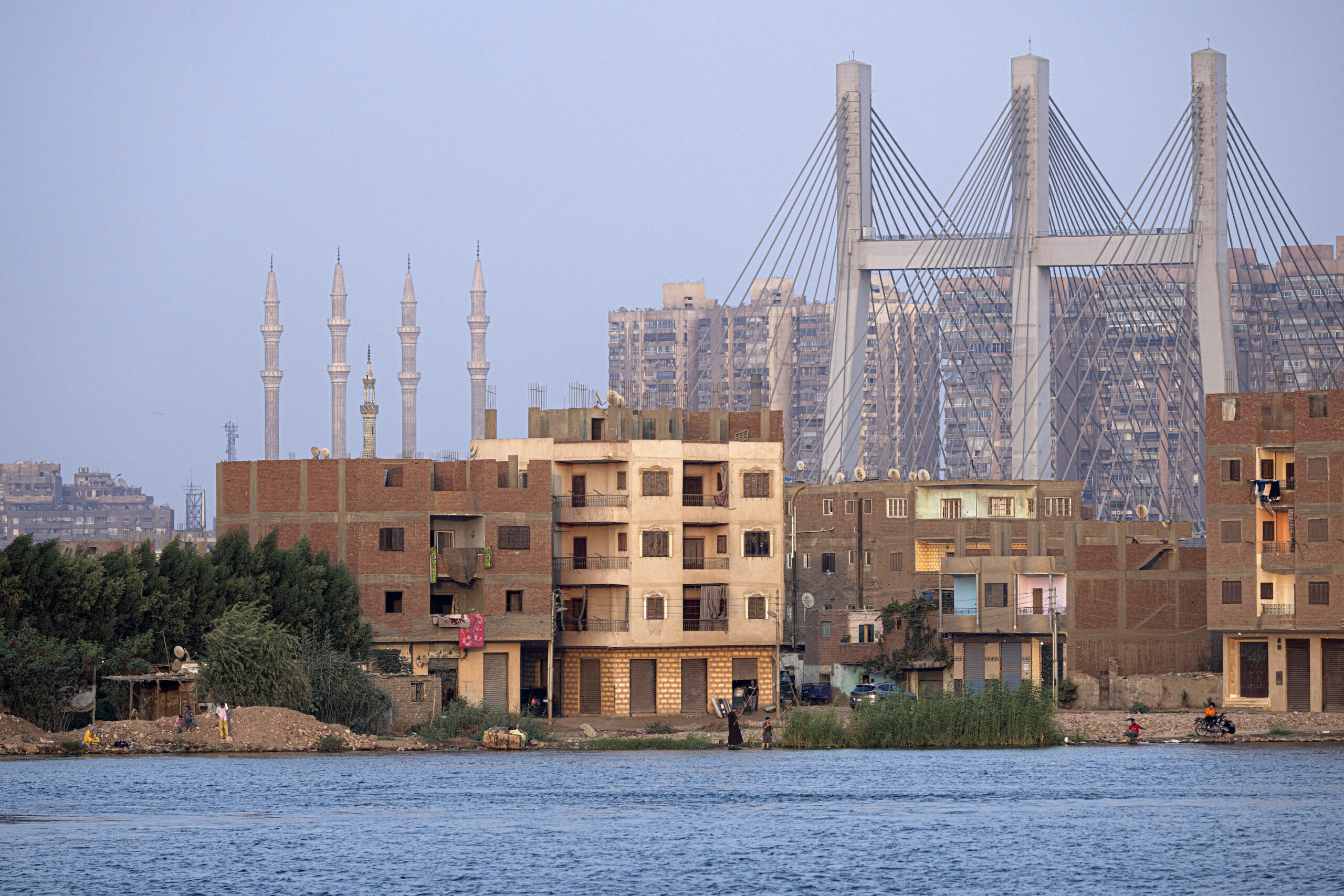
Warraq residents shut down development authority offices to protest prison ruling against neighbor
Residents of Warraq Island shut down the New Warraq City Development Authority’s offices on Tuesday, blocking its entrance and bringing work to…
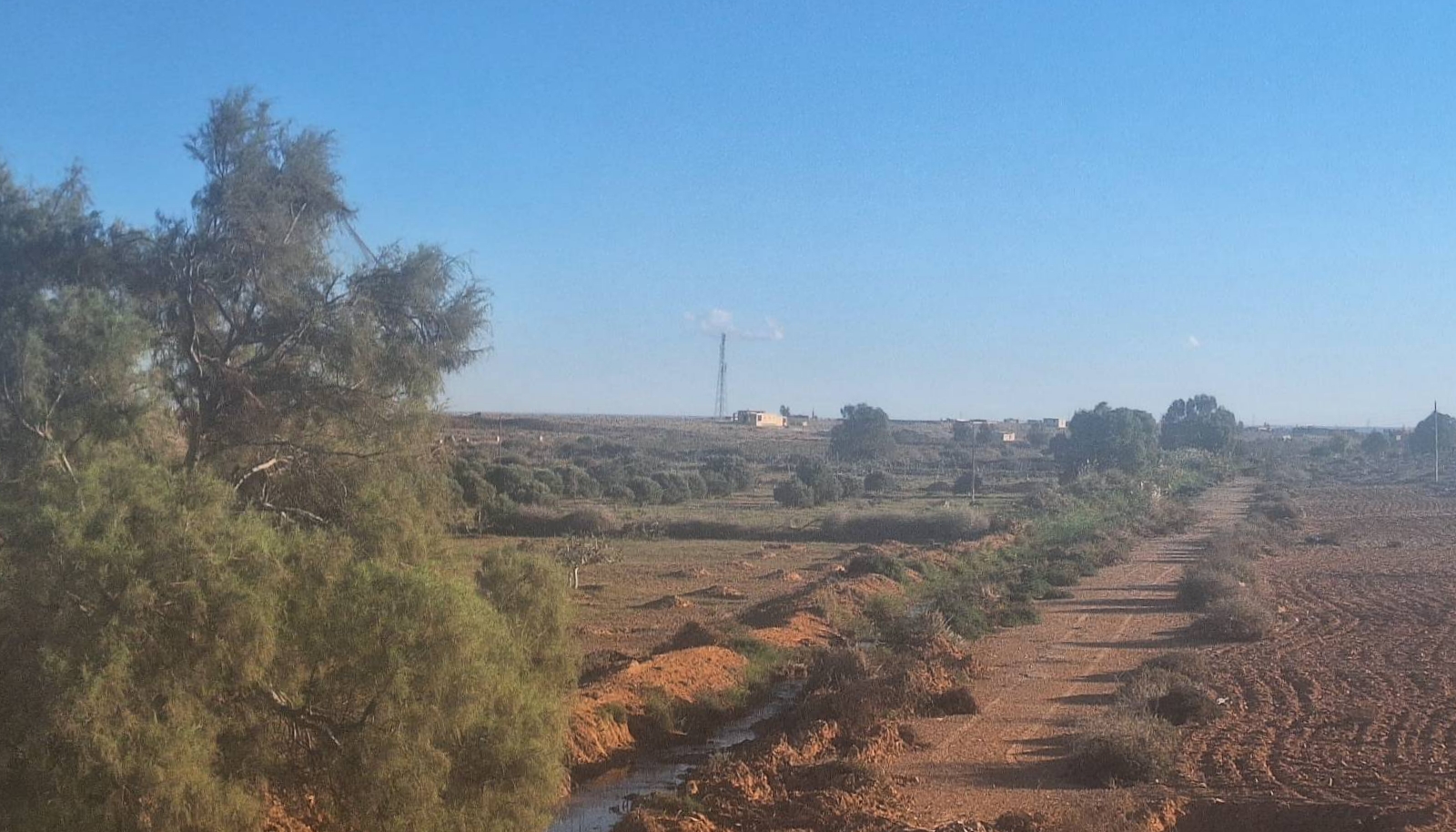
The flipside of Alam al-Roum: Semella farmers face eviction to make way for Qatari deal
“They’re going to be demolished anyway.” So said a security official to several residents of the Matrouh village of Semella last week,…
Residents confront demolition team in Matrouh village days after conclusion of Qatari development deal
A man was injured on Wednesday in Semella, Alam al-Roum as residents sought to prevent the forced demolition of a house in…
Your support is the only way to ensure independent, progressive journalism survives.
You have a right to access accurate information, be stimulated by innovative and nuanced reporting, and be moved by compelling storytelling. Subscribe now to become part of the growing community of members who help us maintain our editorial independence.
Join us