
Update: Task force established to implement terrorism law
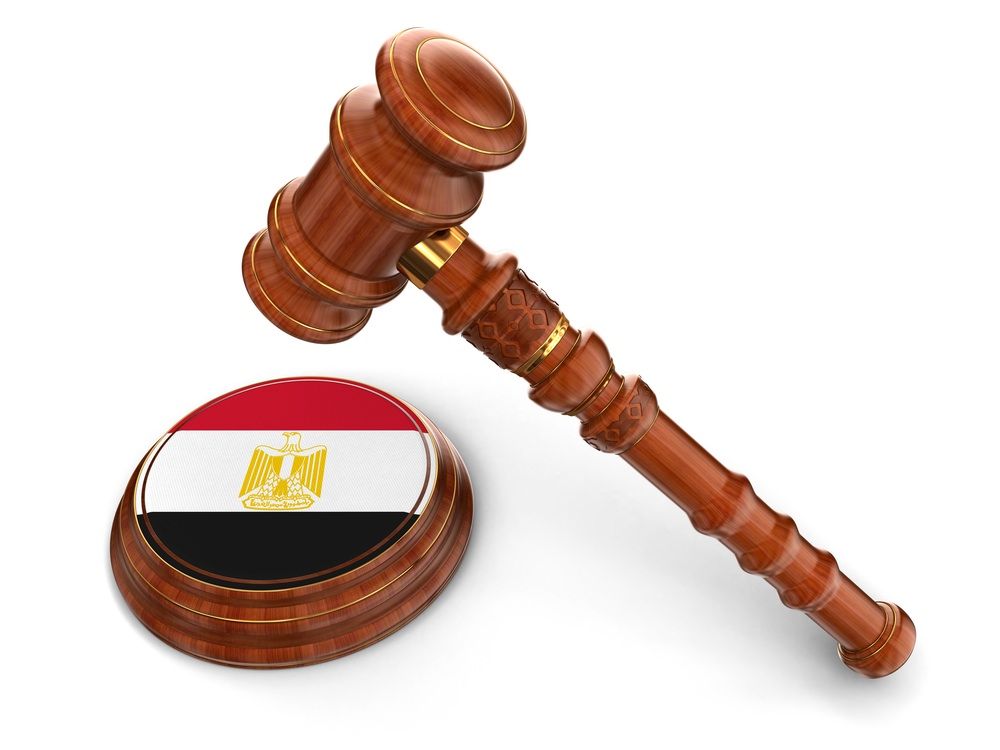
Prosecutor General Hesham Barakat ordered on Thursday the formation of a department tasked with executing the obligations of the general prosecution related to enforcing the terrorism law that was passed recently by President Abdel Fattah al-Sisi.
The official Middle East News Agency (MENA) reported that the new department will prepare the necessary documents and records that include lists of designated terrorist groups and individuals. It will fall directly under Barakat's supervision.
According to MENA, it will be also be tasked with coordinating with prosecution offices across the country to collect the names of individuals and organizations that are either suspected of terrorist activity or are convicted terrorists.
President Sisi issued a new anti-terrorism law, announced in the official Gazette on February 24.
The law’s 10 articles focus on defining terrorist entities, listing such groups and bodies and stipulating the legal processes for appealing these lists.
The law has been widely criticized since it was first drafted, with some claiming it restricts civil liberties.
Article one defines terrorist entities as: “any association, organization, group or gang that attempts to, aims to, or calls for destabilizing public order; endangers the wellbeing or safety of society; harms individuals or terrorizes them, or endangers their lives or freedoms or rights or safety; endangers social unity; harms the environment or natural resources or monuments or communications or transportation or funds or buildings or public or private property, or occupies them; obstructs the work of public authorities or the judiciary or government entities or local municipalities or houses of worship or hospitals or scientific institutions or diplomatic missions or international organizations; blocks public or private transportation, or roads; harms national unity or threatens national peace; obstructs the implementation of the constitution or laws or bylaws; uses violence or power or threats or acts of terrorism to achieve any of its goals.”
The second article gives the prosecution the right to draw up lists of identified terrorist entities, including those who have been ruled against in the courts but not officially designated as terrorist organizations. The prosecution will also be tasked with generating lists of “terrorists” found guilty of organizing identified terrorist groups.
The law stipulates that organizations accused of being terrorist entities can be blacklisted for three weeks, and if no judicial order is issued to confirm their nature, the prosecution retains the right to extend this period to allow further investigation.
Penalties against a designated terrorist entity can include dissolving the organization, suspending its activities, shutting down its headquarters, banning meetings held by its members, halting its funding — directly or indirectly, freezing assets owned by the organization or its leaders, banning membership to, or promotion of, the group, and temporarily banning the group from political participation.
Critics see the new law as one that further restricts freedoms, arguing that the definition of what constitutes a terrorist entity is too vague and open to interpretation, and could possibly be used to target NGOs, syndicates or other types of organizations. Observers are specifically concerned with the targeting of human rights organizations, which are already witnessing a government-led crackdown after the implementation of Law 84/2002 that restricts the rights of organization and association.
In addition, the law gives prosecution supreme powers to compile lists of terrorist organizations and entities, thus enabling the prosecution to include organizations and individuals within them for a period of up to three years.
Mohamed Zaree, Egypt program manager at the Cairo Institute for Human Rights Studies (CIHRS), told Mada Masr that he believes that the power to include organizations and individuals in these lists solely through administrative decisions is extremely dangerous. “An individual or an organization can be left on these lists for years, with their activities halted and assets suspended or frozen, only through an administrative decision? Why aren’t they referred to courts?” he wondered.
The recent stipulation is both a violation to constitutional guarantees of freedom of association and a threat to judicial authorities and their powers. “We all know the threats of terrorism Egypt faces, but stigmatizing people with terrorism only through administrative decisions, with no guarantees of fair judicial due process, is unjustifiable,” he added, referring to the danger of depending only on national security investigations on alleged terrorist threats.
Zaree concluded, “Individuals, NGOs, organizations, syndicates, and political parties are all subject to threat under this law using administrative powers only, this law is one more danger facing freedoms in Egypt.”

أخبار ذات صلة

Two minors sentenced to 10 years on terrorism charges linked to PUBG gaming
The Banha Juvenile Court sentenced on Tuesday two minors to 10 years in prison on terrorism-related charges stemming from their online gaming…

Execution country: How the death penalty became rampant in Egypt
Hundreds of prisoners are languishing on death row, waiting for their sentences to be carried out.
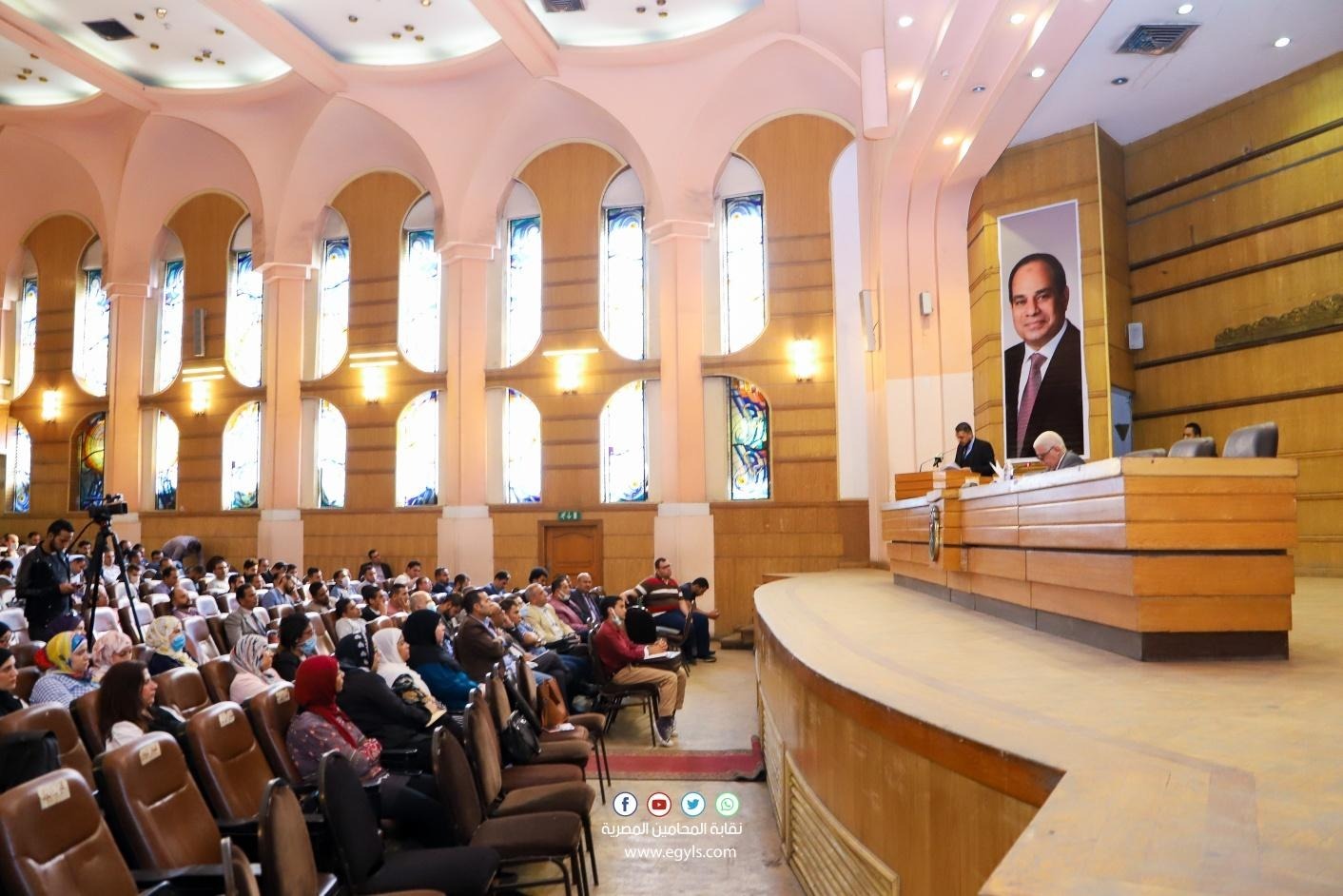
Decision to remove lawyers from syndicate rolls for inclusion on terrorism list could set precedent, lawyers say
The lawyers plan to continue to fight against the decision
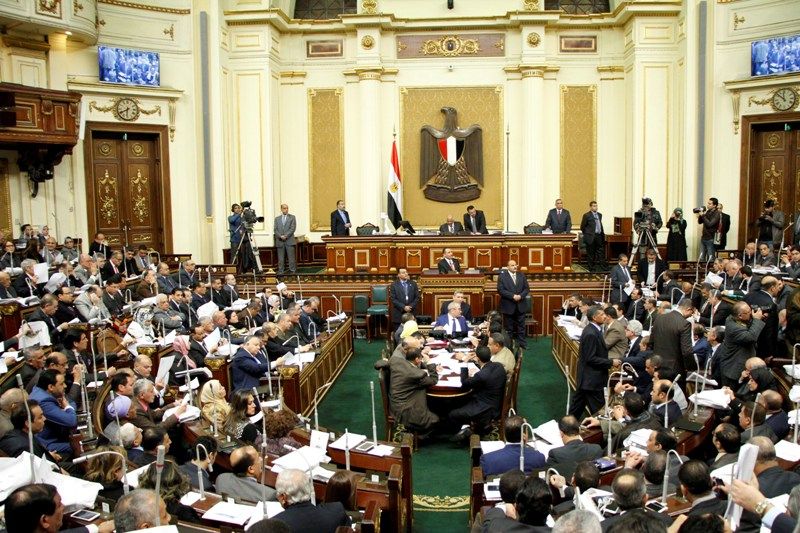
House approves laws consolidating executive, military powers days after end of state of emergency
Transparency around the military will be further reduced by the final piece of legislation
Your support is the only way to ensure independent, progressive journalism survives.
You have a right to access accurate information, be stimulated by innovative and nuanced reporting, and be moved by compelling storytelling. Subscribe now to become part of the growing community of members who help us maintain our editorial independence.
Join us