
Union head: Hundreds laid off at Spinalex, latest in long-term attenuation of company
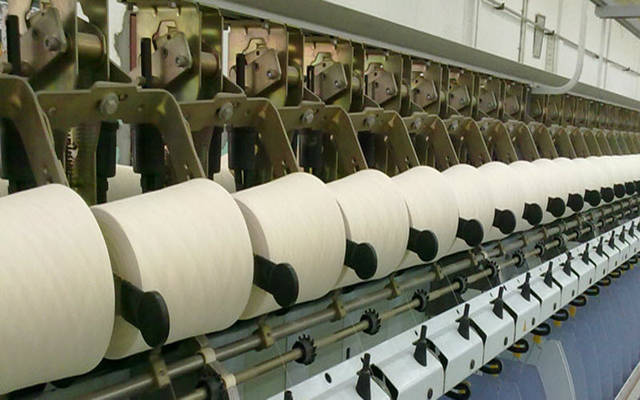
All 230 employees have been laid off from the Alexandria Spinning Company’s (Spinalex) branch in Nozha, Alexandria, prompting calls from the sector’s general labor syndicate for the Manpower Ministry to intervene.
Workers at the company were surprised on Saturday with a layoff notification from the company without any explanation, according to the head of the company’s labor syndicate Ashraf Abdel Moniem, who added that the decision is part of a series of decisions to get rid of workers in the company and close the Nozha branch.
According to a statement by the General Syndicate of Textile and Weaving Workers last Saturday, the decision to lay off the Nozha branch workers is part of a broader plan to liquidate the factory and sell the 38 feddans of land holdings, reducing the company to just one branch in Sadat City, Monufiya.
Plans to liquidate the facility in order to sell the land assets date back to 2010 several years as the company’s management has gradually scaled down production in the main Nozha facility, moving and concentrating production in the newer Sadat City facility, Abdel Moniem told Mada Masr.
Over the last five years, the company has resorted to pressuring workers into early retirement or has relocated their jobs to the Sadat facility in an attempt to empty the facility’s workforce and bring production to a halt, according to the labor syndicate head.
“Between 2016 and 2018, the company got rid of 1,118 workers who were pushed into early retirement after pressure from management that included scrapping the bonuses and raises [scheme] from 2014," Abdel Moniem said.
In August, the company relocated 47 workers from the Nozha facility to the Sadat facility, prompting four workers to resign. The remaining workers agreed to the relocation after they were promised transportation from Alexandria and accommodation near the Sadat site in the attendance of a representative from the Manpower Ministry, according to Abdel Moniem.
However, the company walked back its promises, and the workers were “taken by surprise” that there were no jobs for them at the Sadat facility to begin with, so they refused to accept their relocation, Abdel Moniem told Mada Masr, adding that the workers then rejected a company’s decision to give them a 10-day mandatory leave and were promptly fired several days later.
A similar scenario took place in December with 26 workers, according to Abdel Moniem.
Over the last year, as the company went ahead with its plans to shutter the Nozha facility, the textile and weaving syndicate has been calling for the government to intervene. In April, the syndicate submitted a letter to the Manpower Ministry sounding the alarm on the company’s plans to fire workers and liquidate the facility, despite both Alexandria Governorate and the Manpower Ministry directorate in Alexandria rejecting the company’s request to shut down the facility. Another letter was submitted in January 2020 by the syndicate warning of the plans and calling for the ministry’s intervention to protect the workers.
In the 1990s, the company, which was publicly owned, employed around 7,000 people. It then was privatized in 1998. It now has a workforce of 177 people, all of whom are now in the Sadat facility after the last employees in the Nozha facility were laid off on Saturday, Abdel Moniem told Mada Masr.
According to the syndicate’s statement on Sunday, the 1998 privatization deal included a condition that the new owners retain the company’s workforce. Another condition prevented the company from switching its activity from industrial to residential, according to the April letter sent by the syndicate to the ministry.
The company was first listed on the stock market in 1995 before the Cotton and Textile Industries Holding Company sold its majority stake to a number of investors, including Ibrahim al-Saeedy, who owns 26 percent shares, and Al-Nasr for Clothes and Textiles (KABO), another formerly public company, which now owns a 35 percent stake.
In the letter submitted to the Manpower Ministry in April, the syndicate called on the government to launch a review into the privatization deal of the company, alleging corruption in the privatization of both KABO and Spinalex. According to the letter, KABO was privatized in a deal worth LE70 million while the company had LE60 million cash on hand, suggesting a significantly undervalued sale. KABO then used the cash in the company accounts to purchase their current shares in Spinalex, the letter added, highlighting that the investors purchased the majority stake in the two companies for a total of just LE60 million.

أخبار ذات صلة
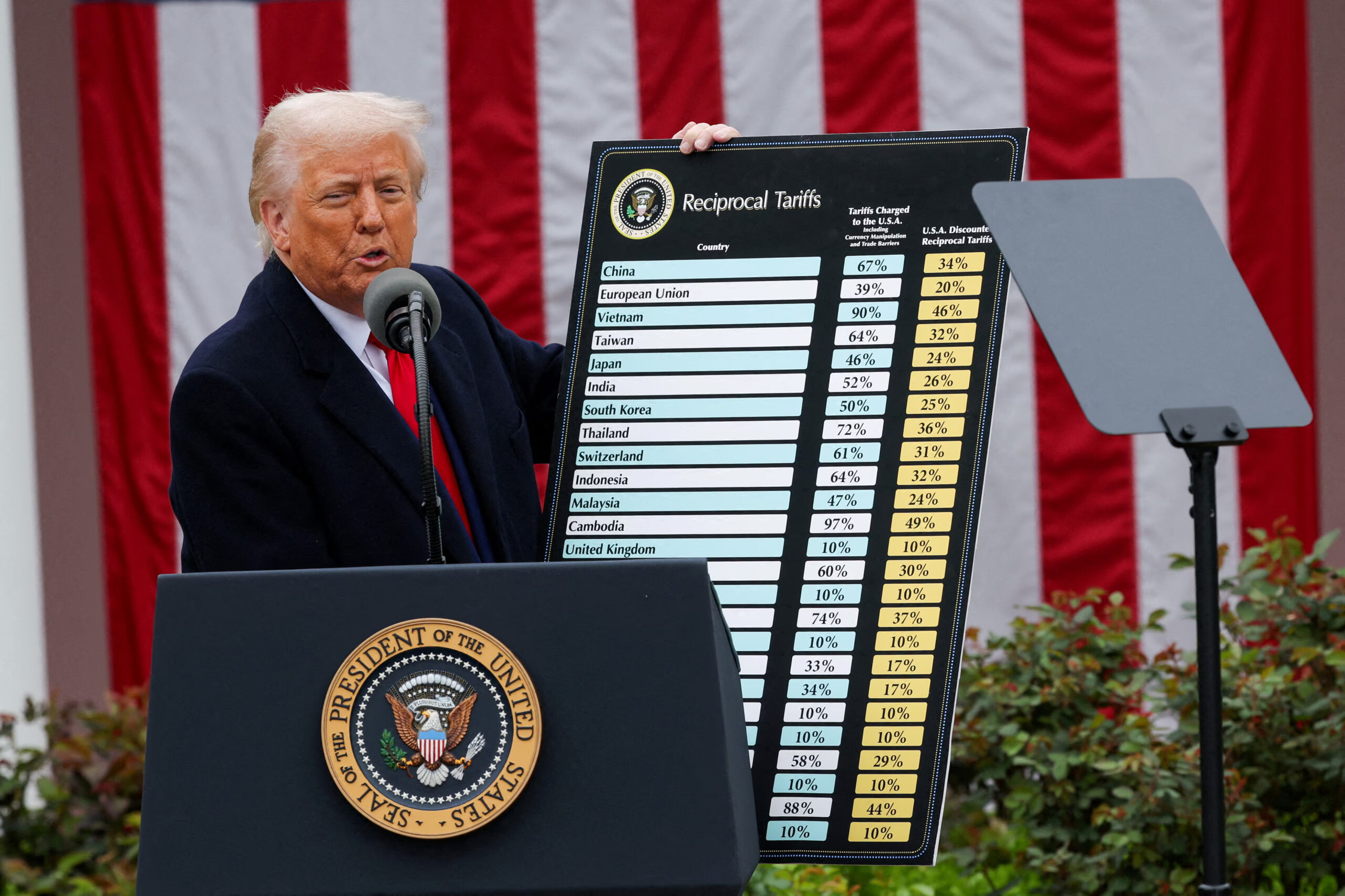
Who wins from Trump’s new tariff regime? Well, maybe Egypt
Industry figures and analysts said that the impact of the decision could be minimal on Egypt
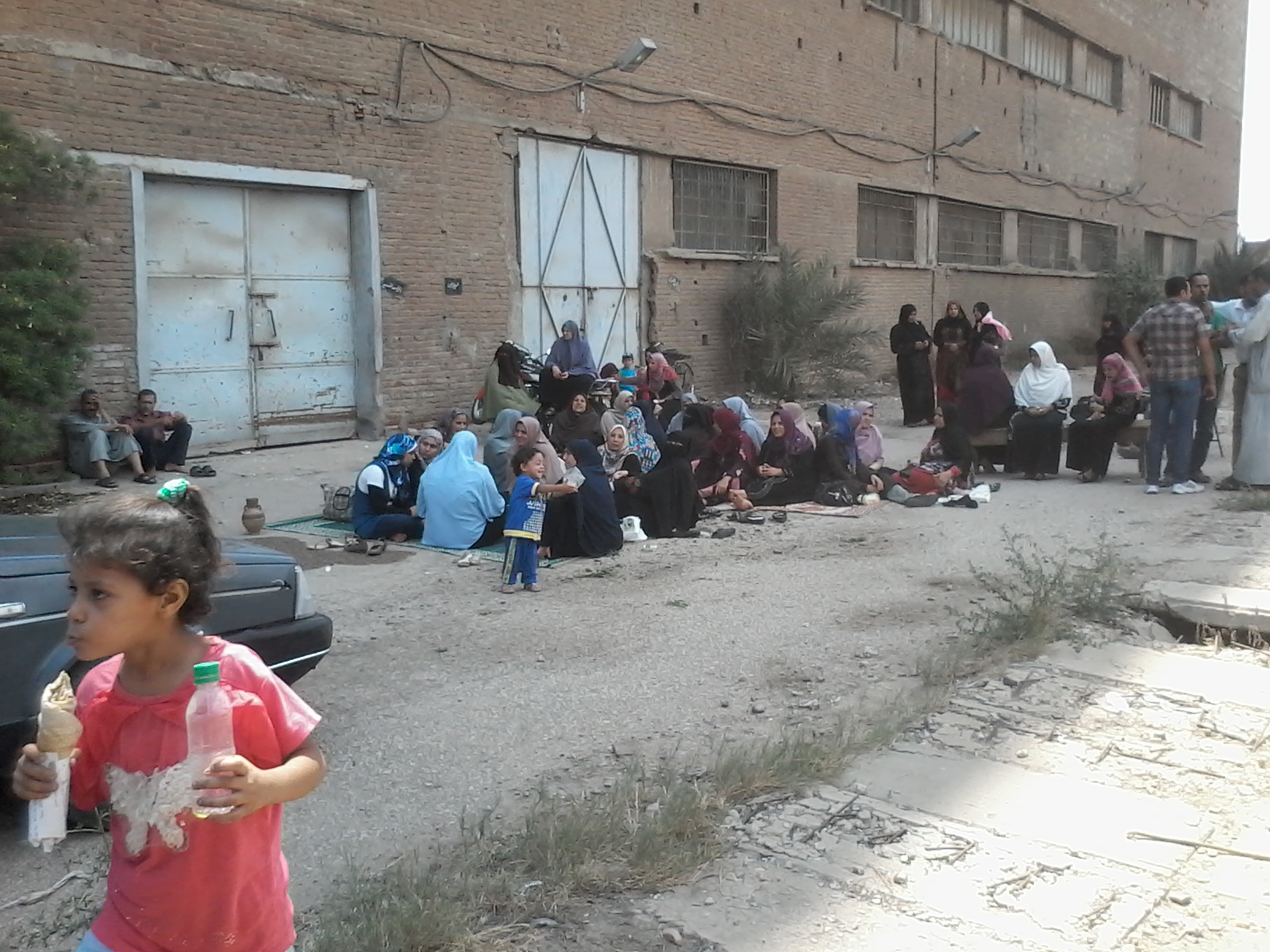
UPDATE: 10 workers still in custody after authorities conduct arrests amid ongoing Gharbiya factory strike for minimum wage
Ten workers at a state-owned jeans factory in Gharbiya remained in custody on Tuesday, their whereabouts still unknown over 48 hours after…
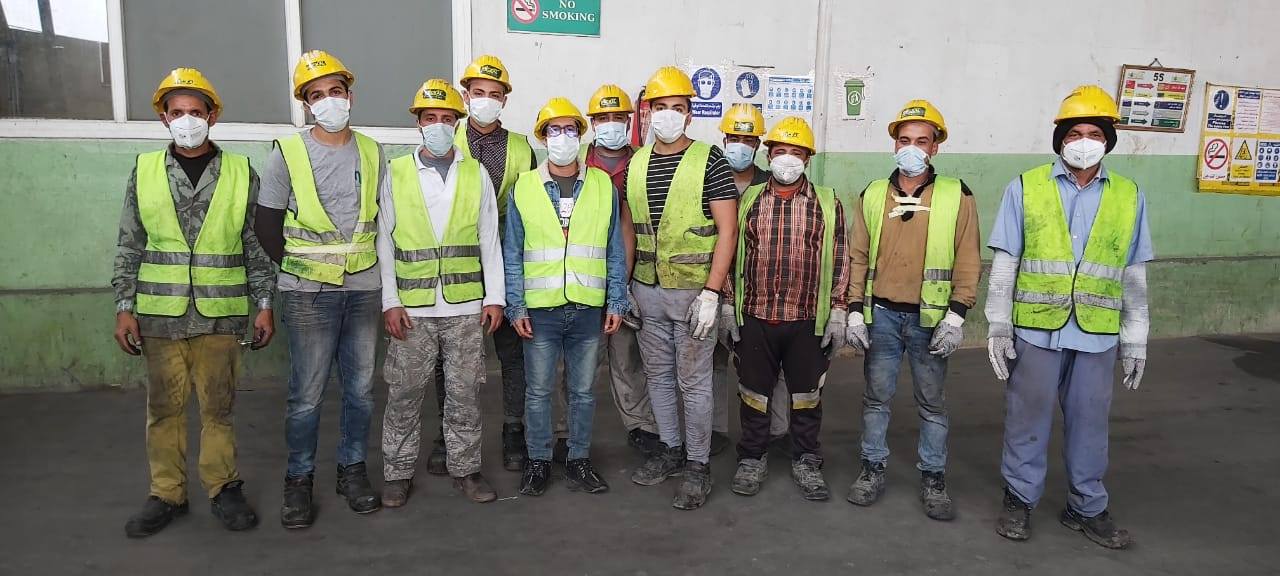
How factories are coping with the COVID-19 pandemic
Several factories across Egypt have been forced to shut down in recent weeks.
Ghazl al-Mahalla: Beleaguered public company steps up to help combat pandemic
The company's move will eventually increase domestic face mask production by nearly 30 percent
Your support is the only way to ensure independent, progressive journalism survives.
You have a right to access accurate information, be stimulated by innovative and nuanced reporting, and be moved by compelling storytelling. Subscribe now to become part of the growing community of members who help us maintain our editorial independence.
Join us