
To boost foreign reserves, campaign tells expats to transfer money into Egyptian banks

A group of young Egyptian expatriates have started a grassroots effort to combat Egypt’s foreign currency dilemma.
A group known as the National Campaign for Egyptian Youth Abroad is leading the initiative, which calls on Egyptian expats to transfer funds into Egyptian bank accounts, local media reported.
Mohamed Ezzat al-Qadi, coordinator of the campaign, says the “Transfer your money to Egyptian banks” initiative seeks to bolster the country's foreign currency reserves by combating the widespread practice of remitting foreign currency outside of official channels. The group also called on authorities to crack down on unlicensed money transfers.
Egypt has a substantial expatriate population living outside of the country. The International Organization for Migration estimated that almost 5 million Egyptians lived abroad in 2010, a number that has likely increased over the past five years. Since the 1980s, remittances from expatriate workers have been a major source of income for Egyptian citizens and the government.
During fiscal year 2014/15, private individuals transferred US$19.2 billion into Egypt, up from US$18.4 billion the previous year, according to Central Bank of Egypt (CBE) figures.
This sum is more than Suez Canal, tourism and foreign investment revenues combined, and also amounts to more than Egypt’s current official foreign currency reserves.
However, most of these remittances do not flow through channels that ultimately benefit the state. Former CBE Governor Hesham Ramez said that only 10 percent of private remittances are deposited into Egyptian banks. The remaining 90 percent, or more than US$16 billion, is not exchanged or deposited into the banking system, as recipients prefer to keep the funds in hard currency.
The “Transfer your money to Egyptian banks” campaign is not the first time Egyptians have been called upon to use their personal wealth to bolster the ailing economy.
In 2012, then-President Mohamed Morsi called on the populace to donate to an “Egyptian Renaissance” account at the CBE. A similar account was later set up under the number 306306 to commemorate the June 30 protests that led to Morsi's ouster. Another account — numbered 037037 in honor of the day he was removed from power — was then opened to allow people to contribute to President Abdel Fattah al-Sisi’s “Long Live Egypt” fund. Few details have been released about the ultimate success of these funds, but initial donations were far below expectations.
A greater success was the sale of certificates to fund the expansion of the Suez Canal. Not only did these certificates have a clear, nationalistic goal, they also offered a healthy 12 percent return on investment. Those certificates sold out within eight working days, raising LE64 billion, indicating that such campaigns are more effective when they appeal to the pocketbook as well as the heart.

أخبار ذات صلة
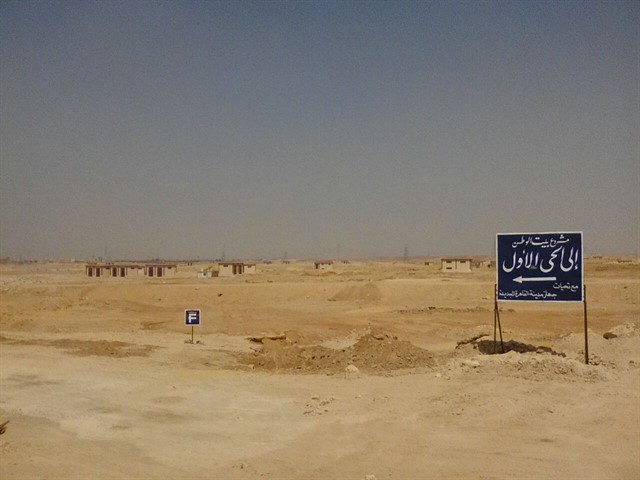
Land-for-dollars Beit al-Watan scheme marred by profiteering, leaving diaspora applicants empty-handed
Analysts warn the dollar-based land sales are pushing prices higher and limiting housing options
50 Egyptian nationals in Turkey arrested as Sisi, Erdoğan prepare for presidential summit
Those arrested are being held in Gaziantep prison on yet clear charges.

Stranded during the pandemic: Estrangement and limbo
“If I’d known what was going to happen, I wouldn’t have come back to Egypt"

Egyptian actor Amr Waked speaks out against military court verdicts sentencing him to prison
Egyptian actor Amr Waked: “The world needs to know how Egypt is being run.”
Your support is the only way to ensure independent, progressive journalism survives.
You have a right to access accurate information, be stimulated by innovative and nuanced reporting, and be moved by compelling storytelling. Subscribe now to become part of the growing community of members who help us maintain our editorial independence.
Join us