
State Security interrogate chief editor and reporter at Al-Masry Al-Youm
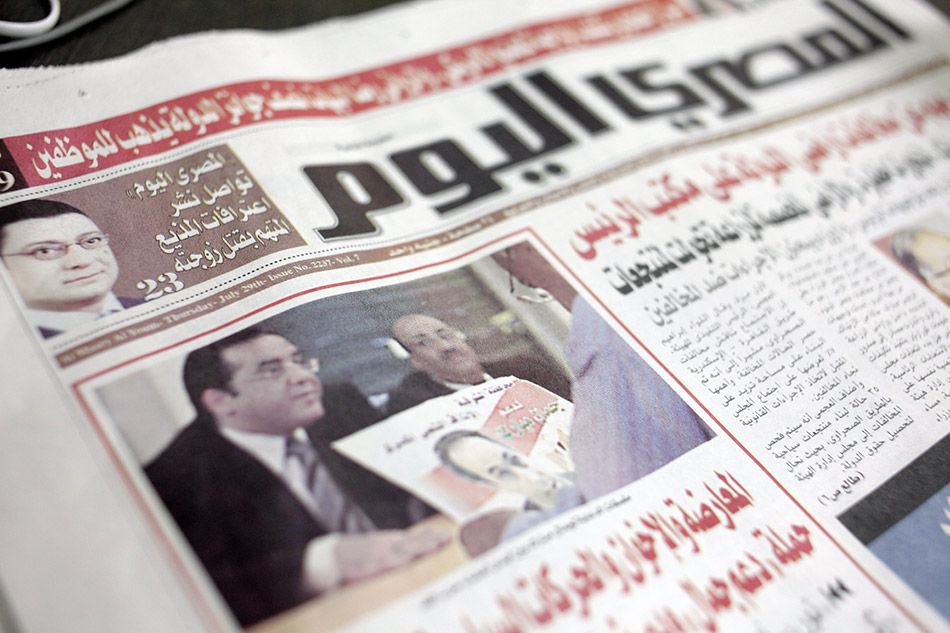
Chief editor of the privately owned Al-Masry Al-Youm newspaper, Ali al-Sayed, and reporter Ahmed Youssef were both released early Thursday by State Security Prosecution, with a LE2000 fine, after 14 hours of interrogation.
The interrogations followed the newspaper’s declaration that it would publish investigation records into alleged fraud in the 2012 presidential elections.
The two journalists faced accusations of unsettling national peace, spreading false information, stealing interrogation records, and publishing news about a case still under investigation by the judiciary.
The prosecutor general issued a publishing ban on the case following Al-Masry Al-Youm’s declaration, and the newspaper said in a report that it would honor the ban and would not publish the story.
The Ministry of Interior filed a complaint against Sayed and Youssef, accusing Al-Masry Al-Youm of stealing investigation records, which the newspaper did not publish due to the ban. Sayed slammed the Interior Ministry, saying it is trying to silence voices of dissent and closing down newspapers.
The chief editor added that this is a dangerous step towards restricting freedom of expression, and threatens the return to oppressive practices, against which Egyptians revolted in previous eras.
“The Interior Ministry intervened in an issue that does not fall under its jurisdiction,” according to Al-Masry Al-Youm, who considers the matter to be purely judicial, as they agreed to the publishing ban.
Al-Masry Al-Youm was also prevented from distributing a print issue of the October 1 evening paper by the government, as it included a sensitive interview with an intelligence agent. According to the chief editor of Al-Masry Al-Youm’s news portal, Ahmad Ragab, the government wanted to review the interview before it was published, in order to make sure no sensitive information was included. When Al-Masry Al-Youm refused to show them the interview, they confiscated the issue from the state-owned Al-Ahram printing offices.
When asked in a phone interview with Mada Masr if he saw the government’s actions as censorship, Ragab replied, “Definitely! This is not good for press freedom. This is harsher than under Mubarak’s regime. In Mubarak’s time this didn’t happen.”
He explained that the current regime focuses more on controlling the media because “they know the danger the media can pose for them. After three years of unrest in Egypt, they are aware of the important role the media can play in changing opinions.”
In early September, rights organizations condemned the detention of Al-Masry Al-Youm journalist, Mahmoud Nasser, who was arrested on suspicion of filming in a military zone.
A report published by the media watch group, the Support Center for Information Technology, stated that there were 581 cases of the violation of press freedoms in 2013. According to the report, attacks on media freedoms — by both supporters of the former president and the state — doubled following the ouster of Morsi.
Egypt also ranks globally as one of the worst states for imprisoning journalists, according to a study released by the Committee to Protect Journalists (CPJ) in December 2013. According to the study, Egypt is ranked ninth on the list, which is topped by Turkey, Iran and China.

أخبار ذات صلة

Four years late, media regulator submits rationale for rejecting Mada Masr’s license application
Mada Masr applied for a license in 2018

Beating the block: Mada Masr launches Tor mirror
This cat and mouse game has been going on for too long now.
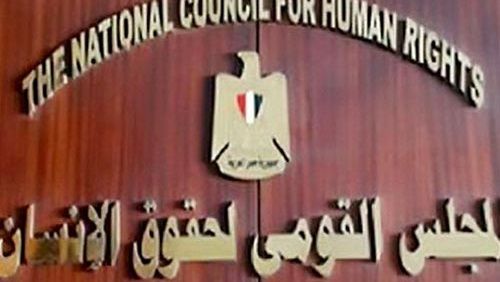
Security directives instruct media to attack National Council for Human Rights
One message suggested that the head of the human rights council suffers from Alzheimer's Disease
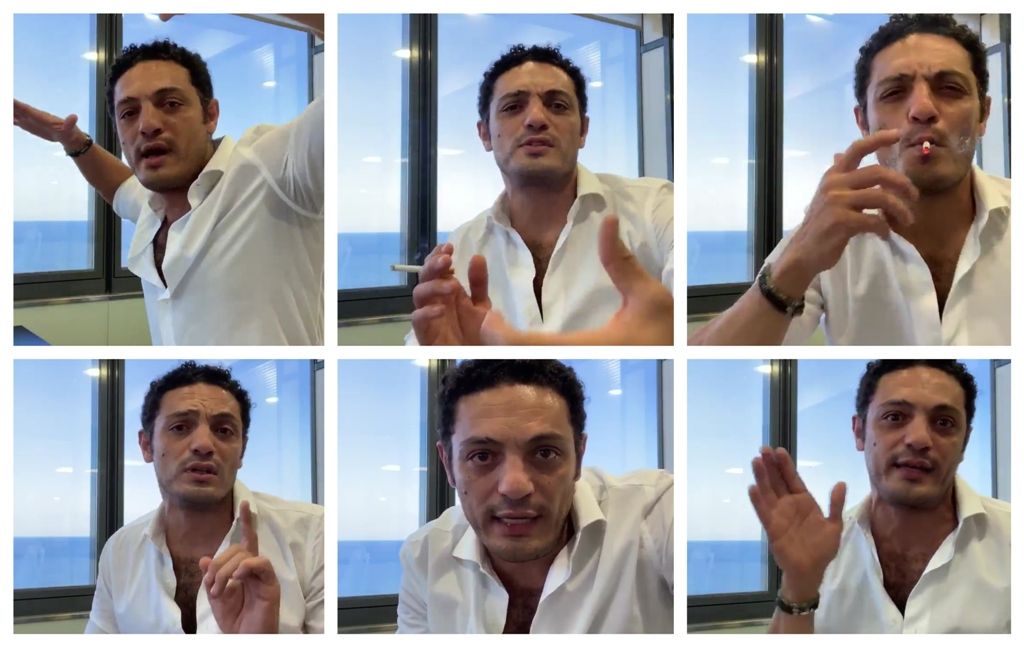
Money and image: Framing Mohamed Ali’s face off against Sisi
Ali is a child of the post-2013 world, the world of naked conflict, stripped of any symbolism.
Your support is the only way to ensure independent, progressive journalism survives.
You have a right to access accurate information, be stimulated by innovative and nuanced reporting, and be moved by compelling storytelling. Subscribe now to become part of the growing community of members who help us maintain our editorial independence.
Join us