
Source: Tantawi campaign derailed in Upper Egypt amid rash of hotel cancellations
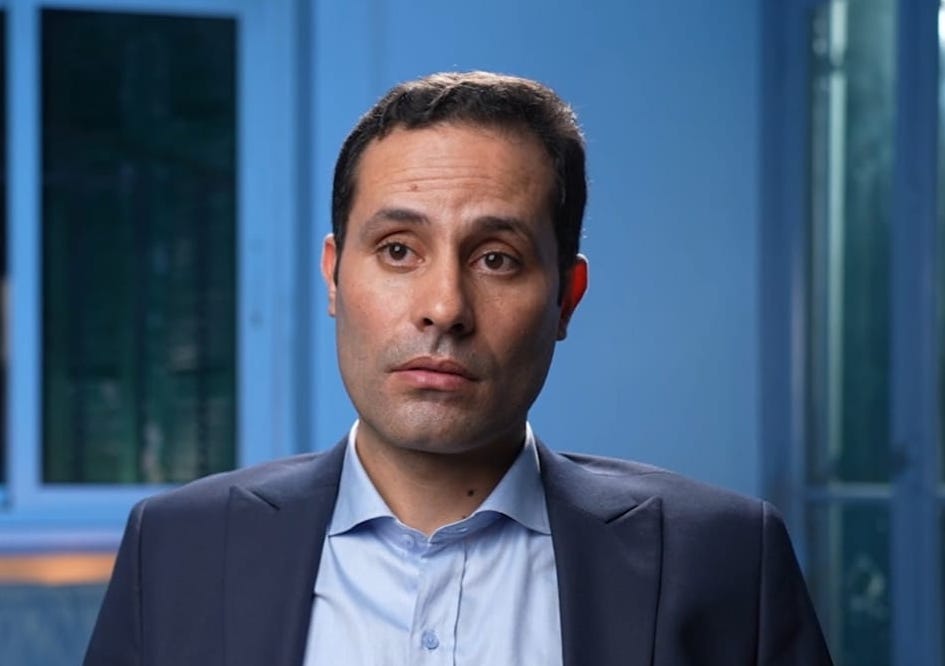
In the leadup to a tour of constituencies in Upper Egypt in early July, members of presidential candidate Ahmed Tantawi’s campaign found that all their reservations at hotels across the seven governorates had been canceled.
The campaign members proceeded to try other hotels, making calls for rooms that could accommodate even two or three campaign members while making arrangements for Tantawy to be hosted instead at campaigners’ homes, according to one of the campaign members, who spoke to Mada Masr on condition of anonymity. But all their inquiries were rejected.
A campaign member who spoke to Mada Masr on condition of anonymity says they believe the cancellations were the result of security directives.
Since the moment Tantawy announced in April that he would throw his cap into the ring in the presidential elections, security restrictions have made it hard for him to get things off the ground. Authorities first arrested his relatives and, later, supporters seeking to join the former Karama Party head and once-parliamentarian for Alexandria — both near the campaign’s Cairo headquarters and in areas of the Nile Delta.
As much as the presidential hopeful has said that his intention in entering the elections race is “serious” and that he hopes to win — an aim which might distinguish Tantawy from some of the other potential challengers — the security restrictions present a major obstacle to his chances of meeting the minimum number of signatories to qualify to run as a candidate when doors are opened, likely at the end of the year.
“They want to cut Tantawi off,” said the campaign member, describing the current situation as untenable.
In the absence of a “serious” contender, the 2024 presidential race could reproduce a similar dynamic to those of 2014 and 2018, where tight control and stage management by the state ensured overwhelming majorities for incumbent President Abdel Fattah al-Sisi.
As part of campaign preparations this month, Tantawy and his supporters planned to pass through Beni Suef, Minya, Assiut, Sohag, Qena, Luxor and Aswan from July 6 until July 12 to tour the capitals of each of the Upper Egyptian governorates. In each, they planned to meet supporters and anyone wishing to join his electoral campaign and to solicit feedback for his campaign platform.
The campaign organizers booked train tickets from Cairo, said the campaign member, and made one-night reservations at hotels close to the train stations in each of the seven governorates. Tantawy posted an announcement on social media about the visit, describing it as a step toward announcing his campaign platform in a second, later visit.
It was after the posts were published that another member of the campaign received calls from all seven of the hotels canceling the reservations, said the campaigner. Tantawy’s supporters residing in Upper Egypt proceeded to try and book alternative rooms in medium-sized hotels, but with every hotel they approached, they were turned away.
Determined to make the visits on the dates announced, the campaign member said, “we agreed that we would book rooms for the four people set to travel with Tantawy and to have Tantawy stay at the homes of some of his supporters in the seven governorates.”
But they faced hurdles again.
“Authorities summoned 10 of Tantawy’s supporters and friends from his days in the Karama Party just hours before the visit was due to take place and held them in National Security Agency headquarters in the governorates, treating them very badly,” the campaigner said.
“They were told that anyone who gets close to Tantawy, greets him or talks to him will be arrested on charges of assembly,” the campaigner said. Per the draconian protest law, any gathering of five or more people considered to “endanger the public peace” gives security forces the right to imprison those gathered for durations stretching from a minimum of six months up to life if the gathering "deliberately destroys public property."
Tantawi announced at 3 am on the day the visit was due to start that his Upper Egypt tour as well as visits across the country would be delayed until an unspecified point later in the month in the interests of preserving the safety of his supporters, describing the decision as taken in the wake of developments that were the “widest, cruelest and most horrific” to which he and his supporters have been exposed as of yet.
Following the tour’s cancellation, supporters of his campaign were released, said the campaign member.
Tantawi made a July 7 public appearance in historic Cairo that also faced hiccups.
He and three friends planned to attend prayers at Amr Ibn al-As Mosque, said the campaign member. His friends arrived before him, only to find numerous security personnel present in the mosque. When asked why they were there, the security personnel said there would be an official visiting the mosque. To avoid causing friction, Tantawi’s friends called him to tell him that there was a clear security presence and agreed instead to go for prayers at Al-Azhar Mosque.
Tantawi arrived at Al-Azhar Mosque first, entered and was immediately surrounded by security personnel in civilian clothing. His friends were searched upon arrival. After prayers, the security personnel rushed to clear the congregation out of the mosque, preventing a number of people from using their mobile phones to take pictures with Tantawi — though others were able to take photographs.
When Tantawi and his friend went outside, they found four microbuses filled with around 70 people, both security personnel and “honorable citizens,” as the campaign manager described them, who surrounded them and cut them off from meeting with members of the public from the area outside the mosque until Mostafa Kamel Square, just a few meters from the Qasr al-Nil office where Tantawi’s campaign is headquartered. When one of Tantawi’s friends asked one of the men in the crowd surrounding them who they were and why they were behaving in that way, they said that they were “enlisted,” and that an officer in the Gamaliya Police Department brought him and others to undertake this task, and that he wasn’t able to refuse the orders.
To run for president, a candidate must have secure signatures from 25,000 citizens across 15 different governorates or from 20 members of Parliament. Doors are expected to open to candidates in December this year for registration in readiness for the conclusion of Sisi’s current term in April 2024.
While Tantawi has ties with the Civil Democratic Movement, a bloc of seven broadly progressive opposition parties, a meeting with them last month did not produce a definitive backing for his candidacy. Other parties within the movement are also mulling their own candidates, according to sources who spoke to Mada Masr last month, in some instances to establish their political standing rather than with much serious intent to unseat Sisi. Other candidates intending to run, such as the Wafd Party’s Abdel Hamid Yamama, have been explicit in their support for Sisi.
Sisi is yet to announce whether he intends to run, but a source with access to his inner circles told Mada Masr that the incumbent president is of the belief that it would be worse for the country were he to lose tenure. Sisi has been in power for almost a decade, following constitutional amendments in 2019 which extended his second term from four years to six years, as well as allowing him to stand for a third term.
With a long history of outspoken opposition to the current government, Tantawi is no stranger to run-ins with the state. He wrote a number of articles in 2022 for the Al-Manassa news outlet criticizing Sisi. Shortly afterward, he traveled to Lebanon after state security bodies gave instructions for him to step away from public commentary, sources told Mada Masr at the time.
It was from Lebanon that he announced his plans to run in the 2024 electoral race. Following his announcement, a number of his friends, family and supporters were arrested on charges of possessing pamphlets: some promoting the candidacy of Tantawi to power by force, others containing quotes of Muslim Brotherhood founder Hassan al-Banna, others the quote, “do not fear the brotherhood for they fear god, and prepare for the return of Ahmed Tantawi if not in good faith then by force.” Some also faced charges of possessing flares and weapons. They denied all the charges.
Following his return to Cairo, a number of his campaigners, friends and supporters were also arrested from the capital as well as elsewhere in the country.

أخبار ذات صلة
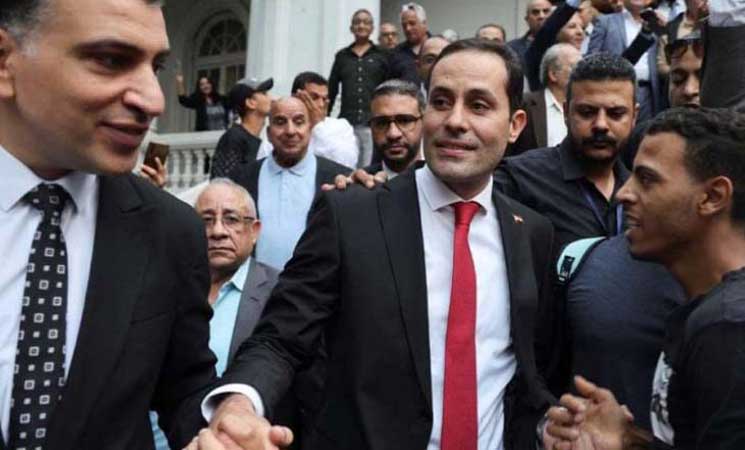
Authorities arrest Tantawi’s presidential campaign manager in court
The campaign manager of former presidential hopeful Ahmed Tantawi was arrested in court on Monday.
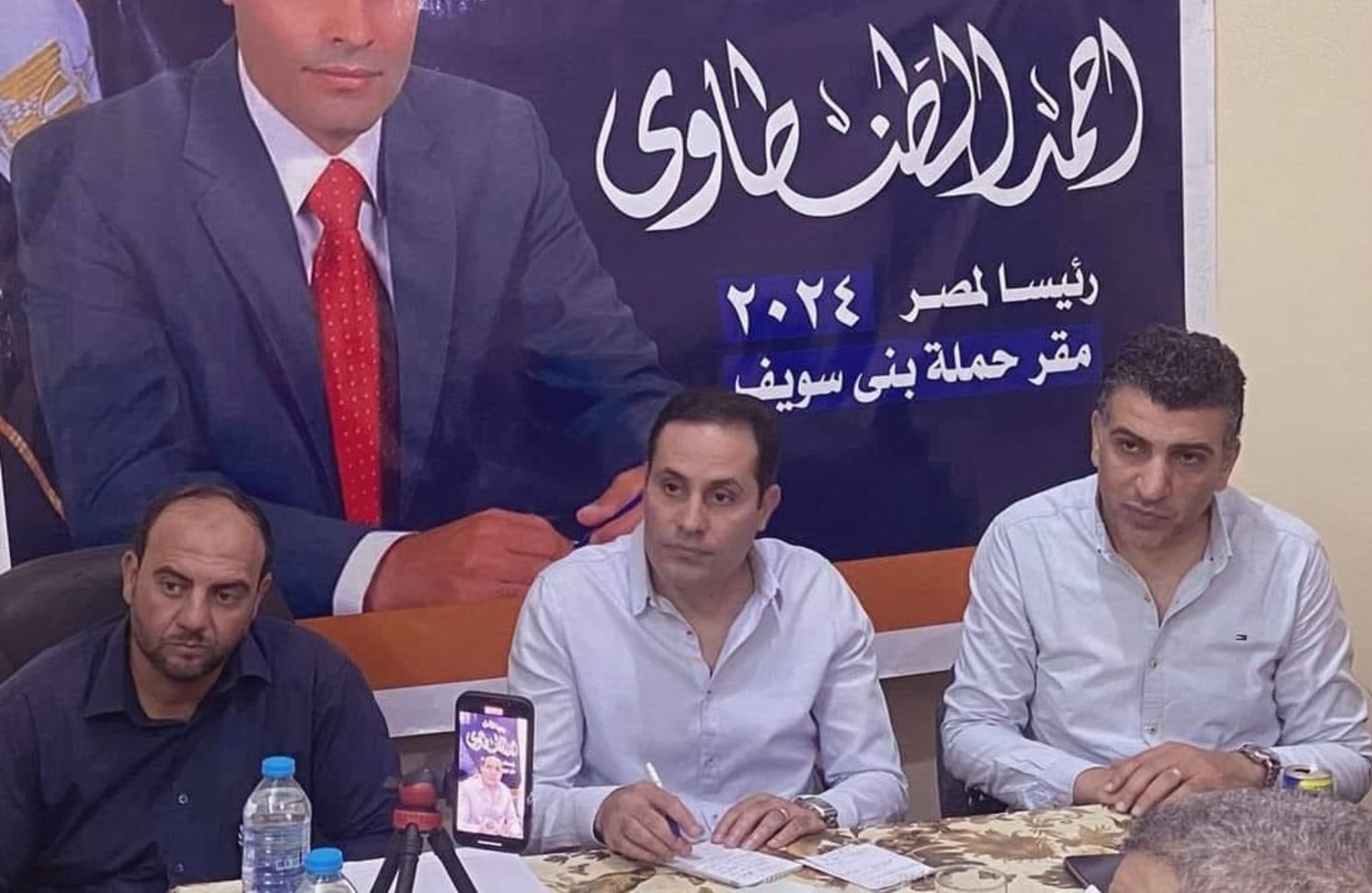
Tantawi at detention center, campaign manager released pending appeal after electoral fraud charges
After a court ruled opposition politician Ahmed Tantawi and the manager of his presidential election campaign guilty on charges of electoral fraud…
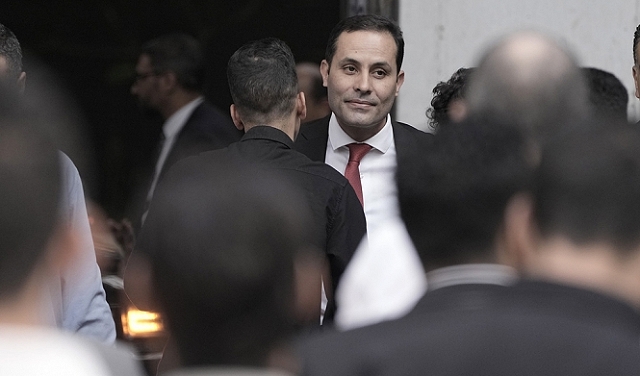
Opposition politician Ahmed Tantawi arrested after court upholds 1-year sentence
Opposition politician Ahmed Tantawi was arrested after a court upheld his 1-year sentence.
Court upholds 1-year prison sentence for opposition presidential contender Ahmed Tantawi’s campaign manager
A Cairo court upheld on Wednesday a one-year sentence for former presidential hopeful Ahmed Tantawi's campaign manager, Mohamed Aboul Diyar. Tantawi and…
Your support is the only way to ensure independent, progressive journalism survives.
You have a right to access accurate information, be stimulated by innovative and nuanced reporting, and be moved by compelling storytelling. Subscribe now to become part of the growing community of members who help us maintain our editorial independence.
Join us