
Sinai Cement converting to use coal
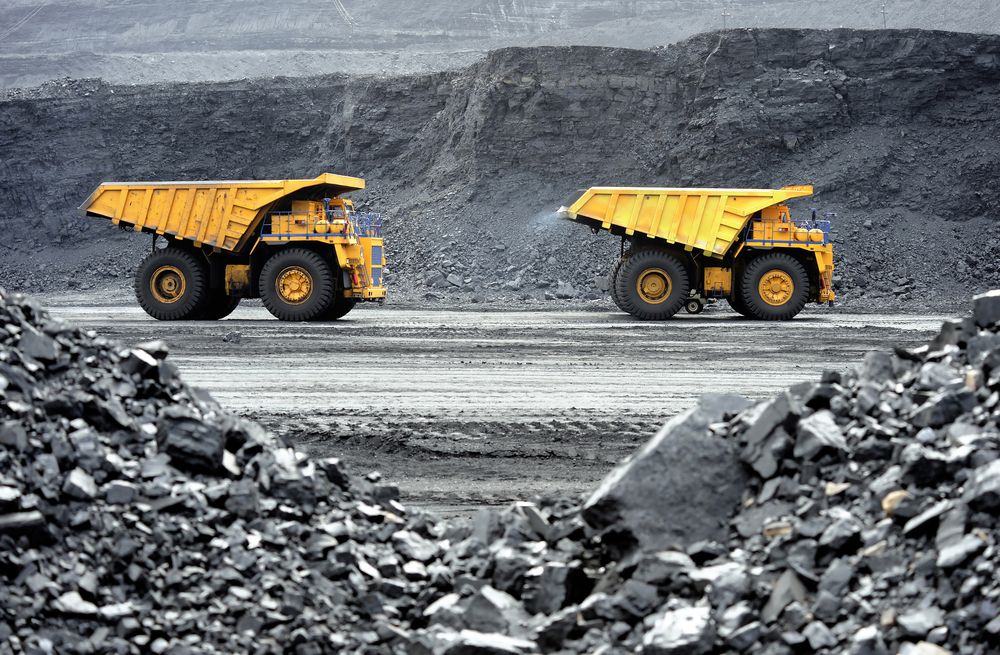
In a release to the Egyptian Stock exchange on Sunday, Sinai Cement Company announced that it is preparing to convert its mills to run on coal.
According to the press release, the company has signed a contract with Denmark-based engineering firm FL Smidth to procure the necessary equipment, and will work with local contractors to make the changes.
Sinai Cement is the latest in a series of companies to make similar plans since April, when the interim cabinet announced via Facebook that it would allow coal to be imported for industrial use and power generation, pending legislation for transporting, storing and burning the fuel.
Earlier this month, Suez Cement, a subsidiary of Italy based Italcementi, said that its Katameya plant would be ready to use coal by the end of August, with other facilities ready to use coal in the coming year. In late June, Arabian Cement announced that it would soon launch a similar project, earmarking LE300 million for its plans.
The April decision to allow coal imports was made despite objections from then-Minister of Environment Laila Iskandar, and a grassroots anti-coal campaign. A draft report issued in April by the Egyptian Environmental Affairs Agency found that allowing coal to be used as a power source would have negative effects on the economy, public health and the environment.
Current Environment Minister Khaled Fahmy has been a vocal proponent of coal, arguing that new technologies allow coal to be burned without significant environmental or public health concerns.
Cement companies argue that coal is a necessity, since Egypt’s current energy crisis has resulted in shortages of the natural gas and fuel that oil factories currently rely on for production. The government also recently increased the price at which it supplies fuel to cement factories. Natural gas went from US$6 per mBTU to $8, while fuel oil jumped from LE1,500 per ton to LE2,250.
Coal prices, meanwhile, have been in steep decline since 2011. Prices for most varieties of coal currently hover at around US$70 per ton.
However, the April announcement by the Cabinet has never been translated into official policy. The decree is not listed in Egypt’s official gazette, where all new legislation is required to be published. Nor have regulations for coal usage been released, including guidelines for factory conversions.
This has led environment activists to question how companies plan to comply with legislation that does not yet exist.
“Obviously, they set their own bar and they are complying with that bar,” says anti-coal campaigner Ahmed Droubi. “Environmental regulations, or government regulations, are not a concern for them.”

Your support is the only way to ensure independent, progressive journalism survives.
You have a right to access accurate information, be stimulated by innovative and nuanced reporting, and be moved by compelling storytelling. Subscribe now to become part of the growing community of members who help us maintain our editorial independence.
Join us