
Scholars express ‘grave concern’ over infringed campus rights
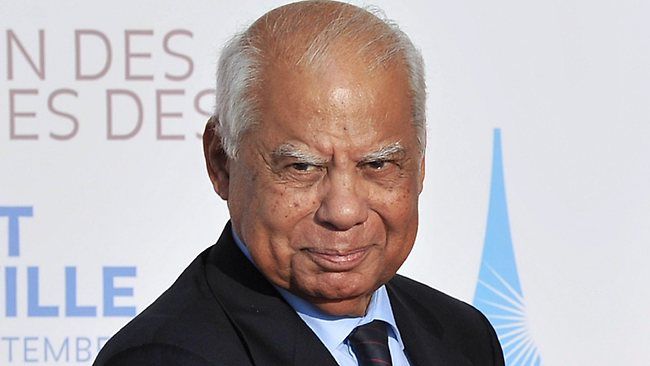
The Middle East Studies Association (MESA) has expressed its “very grave concern about the worsening climate for free speech and peaceable assembly on university campuses in Egypt.” MESA, the region’s main international scholarly body, sent its concerns in a public letter to Prime Minister on Hazem al-Beblawi on December 17.
The letter was issued in the wake of student arrests and increased mobilization in Egypt’s universities over the past several weeks, notably at Cairo, Al-Azhar, Alexandria and Mansoura universities. Classes at Cairo University’s Faculty of Engineering have been canceled following the resignation of the dean and his deputies after a student was killed on campus.
The letter makes reference to a “spate of increasingly worrisome decrees” limiting peaceful assembly on campus, alongside “a pattern of escalating violence against protesters affiliated with universities.”
Founded in 1966, MESA is an academic association that promotes scholarship and teaching on the region. It publishes the International Journal of Middle East Studies and has over 3,000 members worldwide.
A rival organization, the Association for the Study of the Middle East and Africa (ASMEA), was established in 2007. The founders included prominent academics closely associated with US foreign policy, particularly under the Bush administration, who criticized MESA for being politicized.
Recent letters MESA has issued with regard to academic freedom include one in November in which MESA criticized the sentencing of a Bahraini academic and human rights activist to life imprisonment; in October, the association expressed concern about reprisal actions taken against university students and staff in Turkey for their support of the Gezi protests; and in September, MESA criticized a series of attacks on the West Bank’s Al-Quds University by Israeli Defense Forces, and the response of Florida Atlantic University to a protest organized by Students for Justice in Palestine.
In its letter to the Egyptian prime minister, MESA notes the increased, conspicuous presence of state security forces on campuses, criticizing not only state authorities but also university authorities. It describes as “chilling” an edict issued by the Higher Council of Universities on November 1 that prohibits campus demonstrations that target a particular body.
It notes with alarm that some university administrators are looking into ways to apply restrictions on political protest, mirroring the recently passed protest law.
The statement makes reference both to international conventions to which Egypt is a state party and to Egyptian law, which it says has been violated. In the letter MESA describes itself as “echoing” statements made by Egyptian human rights organizations.
The letter highlights three “particularly egregious cases that are in urgent need of redress.” The first is the sentencing of students at Al-Azhar University who participated in demonstrations to 17-year prison terms on charges including thuggery and damage to public property.
The letter questions the state’s account of the death of Mohamed Reda, the Cairo University engineering student killed on November 28, referring to statements made by figures in the university administration that challenge the official version of events.
The statement also points to the suppression of a peaceful student strike at Zagazig University. The strike was suspended after university administrators promised action on student demands, in particular the release of 23 colleagues imprisoned in the lead-up to the one-year anniversary of the Mohamed Mahmoud protests in Cairo. MESA noted that the students remain in detention.
The letter calls on the prime minister to take a number of specific steps in relation to each of these cases, and appeals to him to do all that he can to “ensure that Egyptian universities remain places of free inquiry and open debate during this difficult period in Egypt’s history.”
Academic freedom, the letter implies, is not a concern for universities, students or academics only. MESA describes academic freedom and freedom of expression as two of the most important rights that citizens have in Egypt and notes the historical importance of the role of universities in political and civic life.
MESA states in the letter that it is “committed to ensuring academic freedom and freedom of expression, both within the region and in connection with the study of the region.”

أخبار ذات صلة
After losing AUC scholarships to USAID cuts, over 100 students invited to study at other private universities
AUC will not cover fees for students who were to enroll this year
Exemption of officers’, judges’ children from university regulations slammed
A recent decision to exempt children of judges and police officers from the geographic distribution rule when applying to universities has continued…

Police officers involved in alleged shootout with Ain Shams student summoned for questioning
The East Cairo Prosecution has summoned police officers for questioning over the death of Ain Shams University student Islam Salah Eddin, who…
Fact-finding committee releases debatable numbers on suspended students
The escalating on-campus violence during the last academic year left 15 students killed and 257 suspended, said official June 30 fact-finding committee spokesperson…
Your support is the only way to ensure independent, progressive journalism survives.
You have a right to access accurate information, be stimulated by innovative and nuanced reporting, and be moved by compelling storytelling. Subscribe now to become part of the growing community of members who help us maintain our editorial independence.
Join us