
Report: Suez Cement begins burning coal in Qattamiya
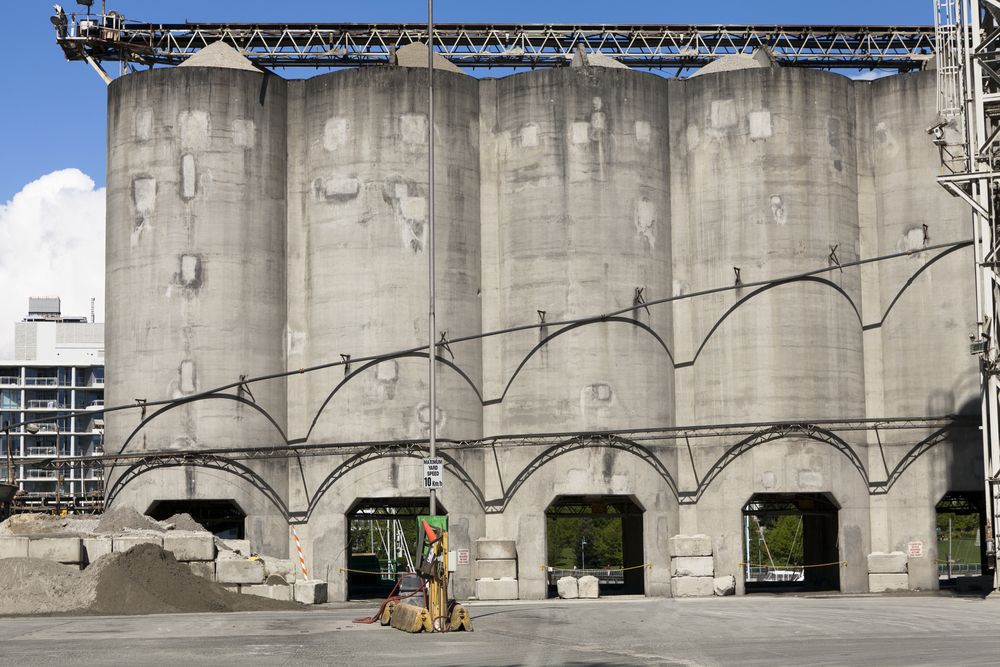
Suez Cement has begun trial production using coal at its Qattamiya plant on the outskirts of Cairo, reports industry publication International Cement Review.
In September, Suez Cement CEO Omar Mohanna announced that the company would begin commercial production using coal in November.
In preparing for commercial production using coal, Suez Cement follows in the footsteps of Arabian Cement and LaFarge, both also reported to have begun trials with coal.
Despite objections from former Minister of Environment Laila Iskandar, civil society groups and tourism industry representatives, Egypt’s government in April overturned a ban on importing the highly polluting fuel for industrial use and energy generation.
The cement industry played a key role in lobbying in favor of coal imports. Hit hard by energy shortages, industry players argued that they needed coal as a cheap and reliable energy source in order to keep Egypt’s cement industry from collapsing.
They also downplayed environmental and public health concerns raised by opponents of coal imports, saying that modern “clean coal” technologies would allow coal to be burned safely. Some companies even challenged the need for Egypt to control its carbon emissions.
A press statement posted on Arabian Cement’s website argues: “If the cement industry adopts the use of coal, it will only increase the CO2 emissions by 3 percent, to be around 2.8 MT [per person per year]. Moreover, other countries like China do not put limits on their emissions, practicing their right to develop their industries as necessary. The more logical choice would then be that developing countries like Egypt, whose industries are still evolving, would not put limitation on their CO2 emissions. Otherwise, they will not be able to achieve the development of the economy needed to meet the growth of their population. Why should we put restrictions on our capacity of meeting demands which will benefit the Egyptian people and the economy?”
Current environment minister Khaled Fahmy, who replaced Iskandar, has also spoken in favor of coal imports, saying that new technologies allow coal to be burned without significant environmental or public health risks.
Although the exact legal status and timeline for coal imports remains unclear, on October 16, Fahmy announced that he had begun working with experts, industry representatives and civil society groups to develop a national strategy to introduce upgraded coal-powered cement kilns.
The Ministry’s policy, Fahmy said, is to provide technical support and funding mechanisms to assist industry in moving to upgraded kilns that will meet environmental regulations.

أخبار ذات صلة

Daily COVID-19 roundup: July 9
Health officials offer mixed messages on whether Egypt has passed its epidemiological peak
Gone with the wind: The flotation’s impact on Egyptian exports
"We import the buttons, we import the zippers, then we cheer when we export the ready-to-wear shirt"
Egypt’s cement industry disrupted by entry of military as major new market player
The additional supply forced companies to lower their prices an average of 15% in the past year

National Cement Company sit-in enters 6th day as syndicate calls for corruption investigation
A National Cement Company strike enters its 6th day amid corruption allegations against management
Your support is the only way to ensure independent, progressive journalism survives.
You have a right to access accurate information, be stimulated by innovative and nuanced reporting, and be moved by compelling storytelling. Subscribe now to become part of the growing community of members who help us maintain our editorial independence.
Join us