
Prosecution insists Mubarak ordered protesters’ deaths in retrial closing arguments
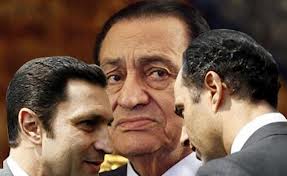
In the closing arguments of former President Hosni Mubarak’s retrial on Thursday, the general prosecution maintained that the ousted president and his Interior Minister Habib al-Adly ordered protesters' deaths in the 2011 uprising that led to his downfall.
Peaceful protesters were systematically killed in 12 governorates using the same violent tactics security forces had employed to try to prevent them from demonstrating, the prosecution contended. The fact that all police forces followed the same patterns across the 12 governorates indicated they were following clear orders from higher powers, according to the prosecuting team.
Mubarak, his sons Gamal and Alaa, Adly and six of Adly’s aides are being retried on charges of conspiring to kill protesters. In January 2013, a court overturned a prior conviction on the charges that had sent the men to prison for life.
The retrial began in April 2013.
The prosecution dismissed the defense’s argument that the police were deployed to protect the protesters, and only killed those who attacked public institutions.
The prosecution’s investigations showed that peaceful protesters took to the streets in 2011 to voice legitimate demands and did not assault the police or attack institutions.
In closing arguments, the prosecution upheld the right to peaceful protest, saying that this right should be guaranteed unless it affects national security. The lawyers added that the law outlines ways to disperse protests before resorting to armed force, should they turn violent.
The prosecution’s case relied on former Prime Minister Ahmed Nazif’s testimony. Nazif said that Mubarak and Adly had agreed on a plan to violently suppress the January 25 protests, and the former interior minister then presented the plan to the Cabinet.
On January 27, 2011, Adly gave orders to deploy several security forces, including troops specialized in dealing with terrorists and organized crime, to subdue the protesters, according to Nazif. He added that the security forces were armed with live ammunition.
Security forces were also pulled from different facilities and prisons around the country to combat the demonstrators, resulting in a security vacuum, according to the prosecution.
The prosecution’s investigations also implicated Mubarak in financial corruption, namely the illegal possession of five villas in Sharm el-Sheikh worth an estimated LE39 million, which Mubarak gained in exchange for granting fugitive businessman Hussein Salem 2 million square meters of land in Sinai.

أخبار ذات صلة
Is the government building a parallel bureaucracy?
Power is concentrated in the presidency and military at the expense of other state institutions
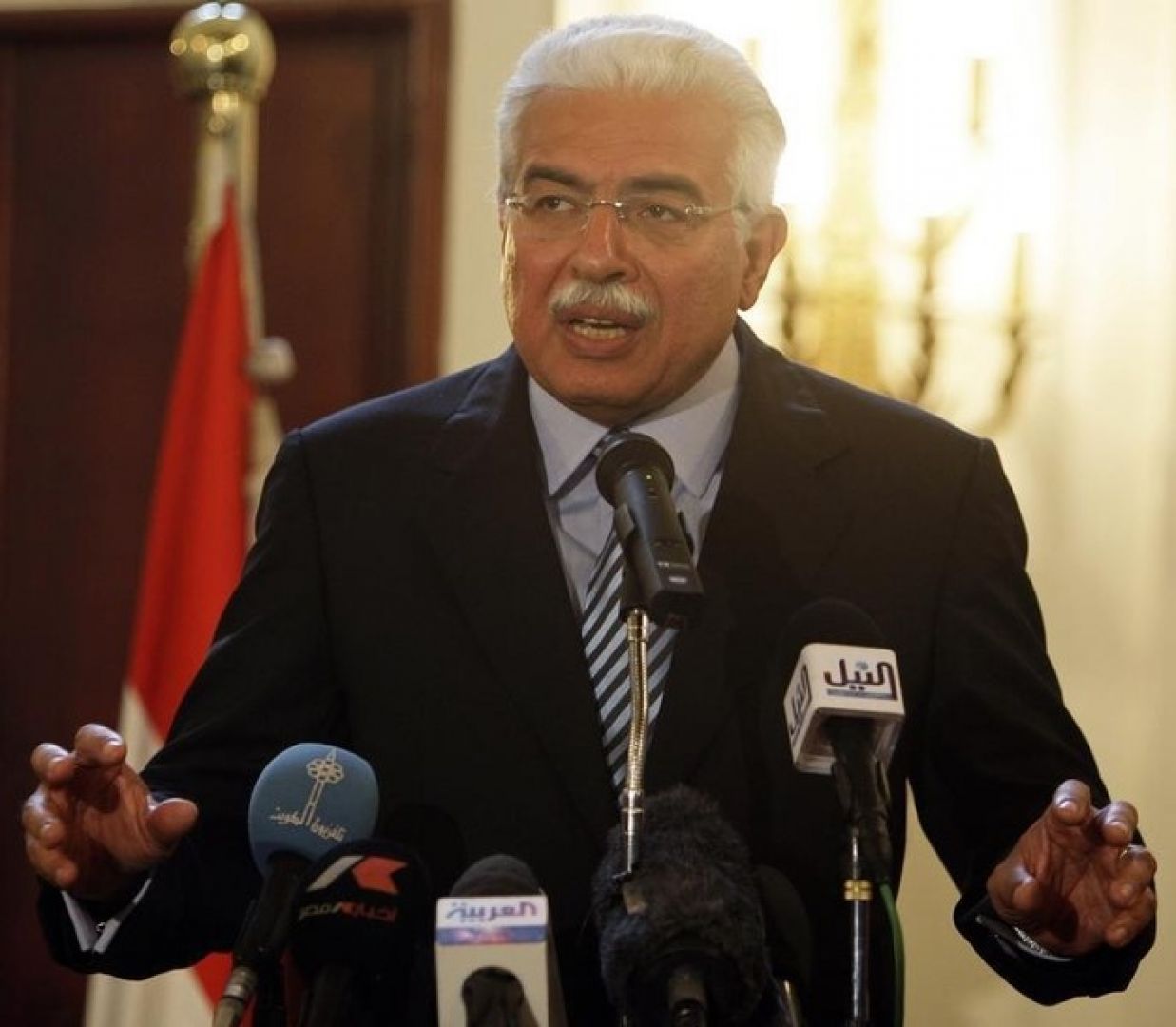
Mubarak-era PM acquitted of graft charges
An Egyptian court acquitted former Prime Minister Ahmed Nazif of corruption charges on Wednesday, overturning a guilty verdict and a five-year prison sentence he was…
Mubarak-era PM Ahmed Nazif sentenced to 5 years in prison, LE53 million fine
In a rare occurrence, a leading member of Hosni Mubarak’s regime, former Prime Minister Ahmed Nazif, was sentenced to prison on Wednesday. Finding him guilty…
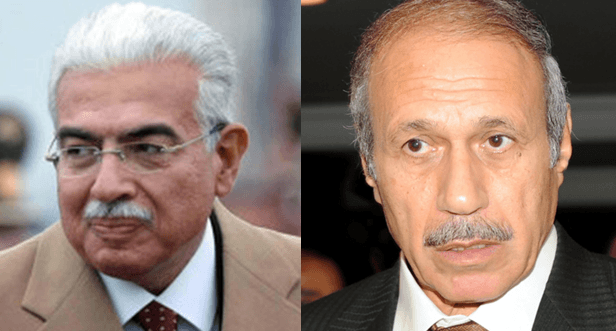
Mubarak-era officials Nazif and Adly cleared of corruption charges
Mubarak-era Prime Minister Ahmed Nazif and former Interior Minister Habib al-Adly were cleared of corruption charges in the ‘license plates’ case on…
Your support is the only way to ensure independent, progressive journalism survives.
You have a right to access accurate information, be stimulated by innovative and nuanced reporting, and be moved by compelling storytelling. Subscribe now to become part of the growing community of members who help us maintain our editorial independence.
Join us