
Police find more than 62,000 cases of energy theft
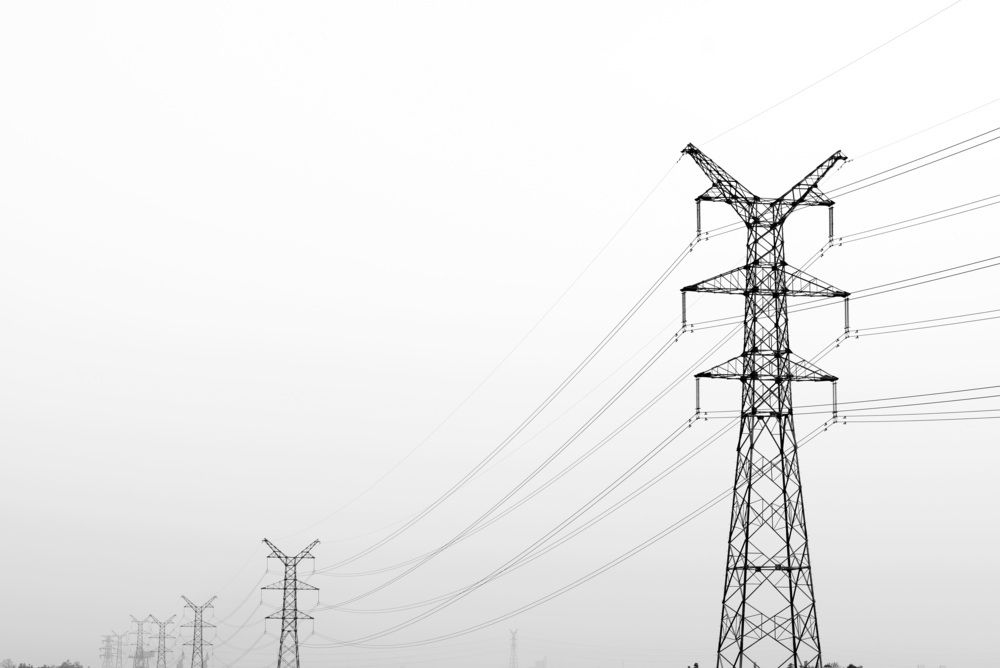
A crackdown on stealing electricity has uncovered 62,815 cases of misdemeanor theft, according to a report presented to Egypt’s cabinet by the director of energy police.
The report, which covered efforts from April 10 to April 19, also outlined 289 violations of contractual agreements, eight cases of theft of electricity lines and poles and 2,662 instances of theft by kiosks and street vendors.
The campaign followed an April 9 order by Prime Minister Ibrahim Mehleb to step up efforts to combat illegal electricity hook-ups.
According to World Bank data from 2011, some 10.6 percent of electricity produced at Egypt’s power stations disappears before reaching customers. This figure is above the global average of 8.1 percent, but well below the 16 percent average for countries in the same income category.
With Egypt facing a severe energy shortage that has led to power cuts and gas lines across the country, the government has been keen to curtail losses due to theft and technical problems.
Egypt’s drive to combat pilferage has coincided with attempts to diversify its energy mix. On April 2, the government overturned a ban on coal imports, paving the way for cement factories to use the highly polluting fossil fuel. The move is aimed at reducing industry’s reliance on natural gas, thereby freeing up fuel supplies for electricity generation.
The government has also revived a decades-old plan to build a nuclear power station on Egypt’s Mediterranean coast, and is looking into increasing the use of fuel derived from municipal and agricultural waste, as well as increasing investments in wind and solar power.

أخبار ذات صلة

Govt cuts industrial gas supplies after ‘inaction’ to offset planned drop in Israeli imports
The government temporarily reduced natural gas supplies to state-owned petrochemical plants, particularly fertilizer producers, by around 50 percent starting May 17, according…
Egypt’s new budget: Electricity subsidies boosted by 2900% alongside slashes to fuel subsidies
The Egyptian government plans to cut spending on fuel subsidies by more than 51 percent, a Cabinet statement on the draft budget…
Govt set to hike national gas transmission fees by up to 25% in July
Energy sector sources say the government is set to raise tariffs for gas transmission in July.

Knock-on effects for Egypt as Israel halts production of natural gas at Tamar field, deliveries via EMG pipeline
Egypt's gas imports from Israel drop by 19% after the temporary shutdown of the Tamar gas field.
Your support is the only way to ensure independent, progressive journalism survives.
You have a right to access accurate information, be stimulated by innovative and nuanced reporting, and be moved by compelling storytelling. Subscribe now to become part of the growing community of members who help us maintain our editorial independence.
Join us