
Opposition MPs stage walkout as House approves law replacing ‘old rent’ system

A law amending the rent control system, which has sheltered thousands of tenants from rent increases for decades, was passed on Wednesday by the House of Representatives following months of debate and controversy.
The bill has faced substantial opposition from both renters and opposition MPs, who staged a walkout in Wednesday’s session when the House voted not to introduce proposed amendments aimed at protecting tenants.
After the law was voted in on Wednesday afternoon, the State Security Prosecution ordered the release of lawyer Ayman Essam, the spokesperson and legal advisor for the Tenants Association, an organization that has been working for over 10 years to advance the rights of tenants, who was arrested two weeks ago amid discussion of the bill.
The purpose of the bill, drafted by the government and submitted to the House in May, is to address urban issues stemming from state-imposed rent control that has kept leases cheap for tenants and allowed them to be inherited over generations. Landlords complained that the system deprived them of competitive rates of income, resulting in an inability to conduct maintenance to their buildings.
The new law will terminate rent-controlled lease agreements for tenants in both residential and non-residential units over a period of five to seven years, portending significant price hikes depending on the location of the property.
Parliamentarians’ final approval on Wednesday came after weeks of heated discussion. The day prior, the House had postponed discussion of the law citing the government’s ill-preparedness to offer updated statistics on the number of tenants, as well as the absence of a plan for alternative housing for the millions who could be displaced and potentially face significant rental price hikes, according to Al-Shorouk.
But Wednesday’s final approval came with limited new amendments, even to the controversial article 2, which stipulates the expiration of residential rental caps after seven years with the possibility of early termination.
Twenty-five opposition members staged a walkout from the session after the House refused to address Article 2.
MPs Sanaa al-Saeed and Mohamed Abdel-Alim Dawoud were among those who described the government’s approval of the article as a violation of the Constitutional Court’s 2024 ruling that required the passage of the legislation, but stipulated that it should also provide safe and decent housing for all citizens.
Egyptian Social Democratic Party MP Amira Saber Qandil released a statement on her social media accounts expressing her rejection of the law’s passing and regret that a just outcome was not achieved.
“We have made every effort during today's general session discussions to exempt the original tenant, their spouse and children from the termination of the rental relationship, in order to preserve their social and human rights,” she stated, pointing to the government for declining to respond to their proposals or provide any suitable alternative.
As a result, Qandil added, representatives of the parliamentary opposition blocs and independents declare their final rejection of the law in its present form and their full alignment with the citizens’ interests and rights. She was among the group of MPs, including the Tagammu, Egyptian Social Democratic, and the Justice parties, who exited the session before it concluded Wednesday.
The law also lays out stipulations for rental value to increase significantly based on the property’s location.
In distinguished or high-end areas, rent will be set at twenty times the current legal value, with a minimum of LE1,000. In medium-level areas, the rent will rise to ten times the current value, with a minimum of LE400, and in low-income areas, the minimum rent will be set at LE250.
As for properties rented by individuals for non-residential purposes, the legal rent will be increased fivefold. Throughout the transitional period, rental value for all properties — whether used for residential or non-residential purposes — will be subject to an annual increase of 15 percent.
MPs agreed to all of the above changes, after Housing Minister Sherif al-Sherbiny, who was attending the session, sought to assuage concerns by pointing to alternative housing for those who will be unable to afford the new rates. Sherbiny laid out three alternatives that the state will provide to families depending on income and family status: subsidized rental plans, rent-to-own over a 20-30 year period and favorable mortgage financing.
The minister stated that the government has allocated over 200,000 units as alternative housing for tenants, as well as over 200,000 acres of land for further construction for “tenants who meet the required conditions,” according to Masrawy.
Parliamentary Minister Mahmoud Fawzy followed in Sherbiny’s footsteps, reasserting that Article 8 of the amended law stipulates that in the event of a disagreement with the landlord, the tenant will not be evicted from the property for at least one year of the transitional period before an alternative is provided , or unless suitable housing of their choice is provided at least one year before the end of the transitional period, set at a maximum of seven years.
Fawzy stressed that the state “will not allow any Egyptian citizen to be without a home or shelter,” claiming that the government and parliament are handling the matter with the utmost care and attention.
MP Samira al-Gazzar, however, said that the New Urban Communities Authority presented them with housing units worth millions which she said would be unaffordable for most people living under the old rent system.
“Who among the incapable tenants will be able to afford them?,” she asked.
Around one hour after the session concluded, the State Security Prosecution ordered the release of Essam.
Head of the Egyptian Initiative for Personal Rights Hossam Bahgat announced that orders for his release were issued on Wednesday evening.
Authorities arrested Essam in June while on his way to a meeting with tenants who were planning to discuss concerns with the law. Essam was forcibly disappeared for several days before he was presented to the State Security Prosecution which held him in remand detention on charges of “joining a terrorist organization and spreading false news.”
أخبار ذات صلة
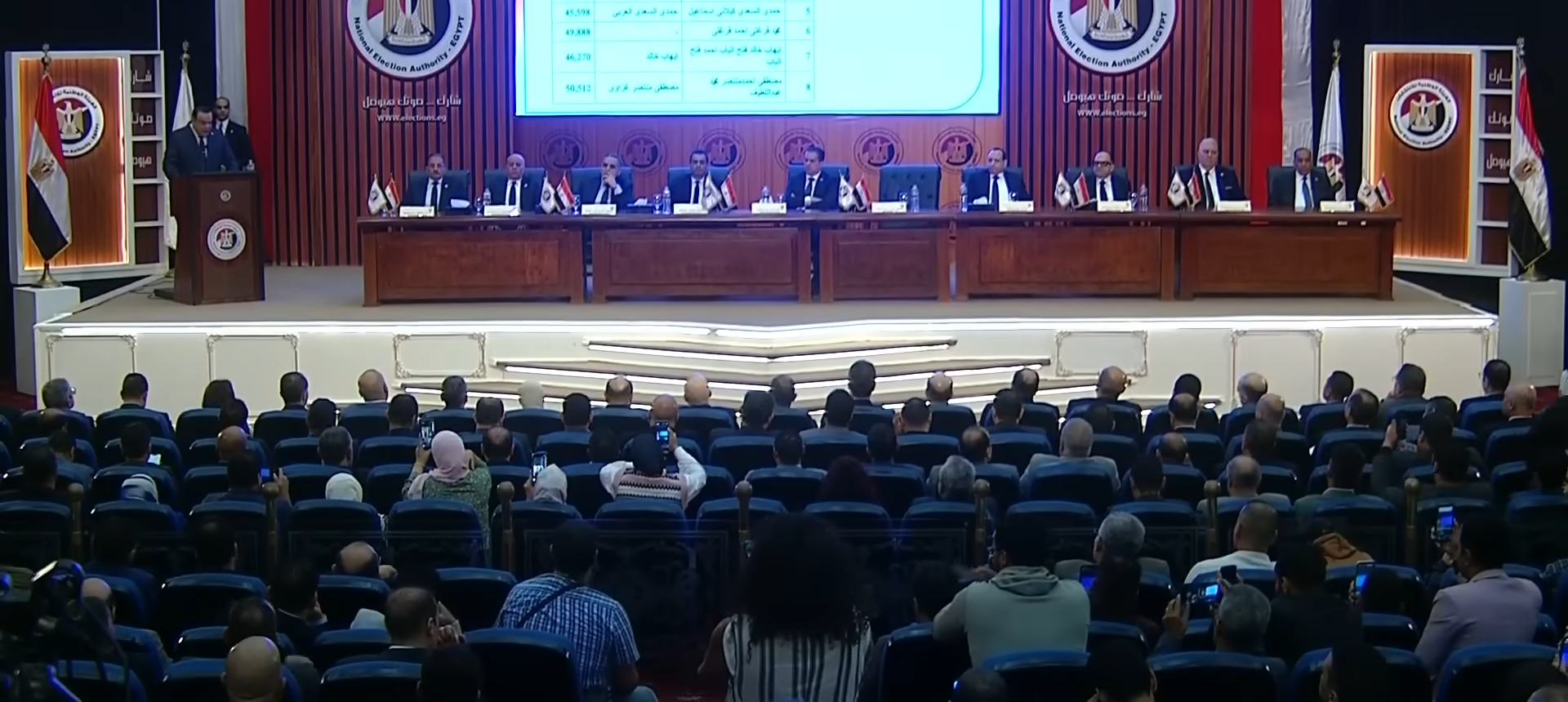
Elections results voided in most constituencies after ‘massive’ number of elections appeals
Voting is set to be repeated in two-thirds of the districts that took part in the parliamentary elections’ first phase, following a…
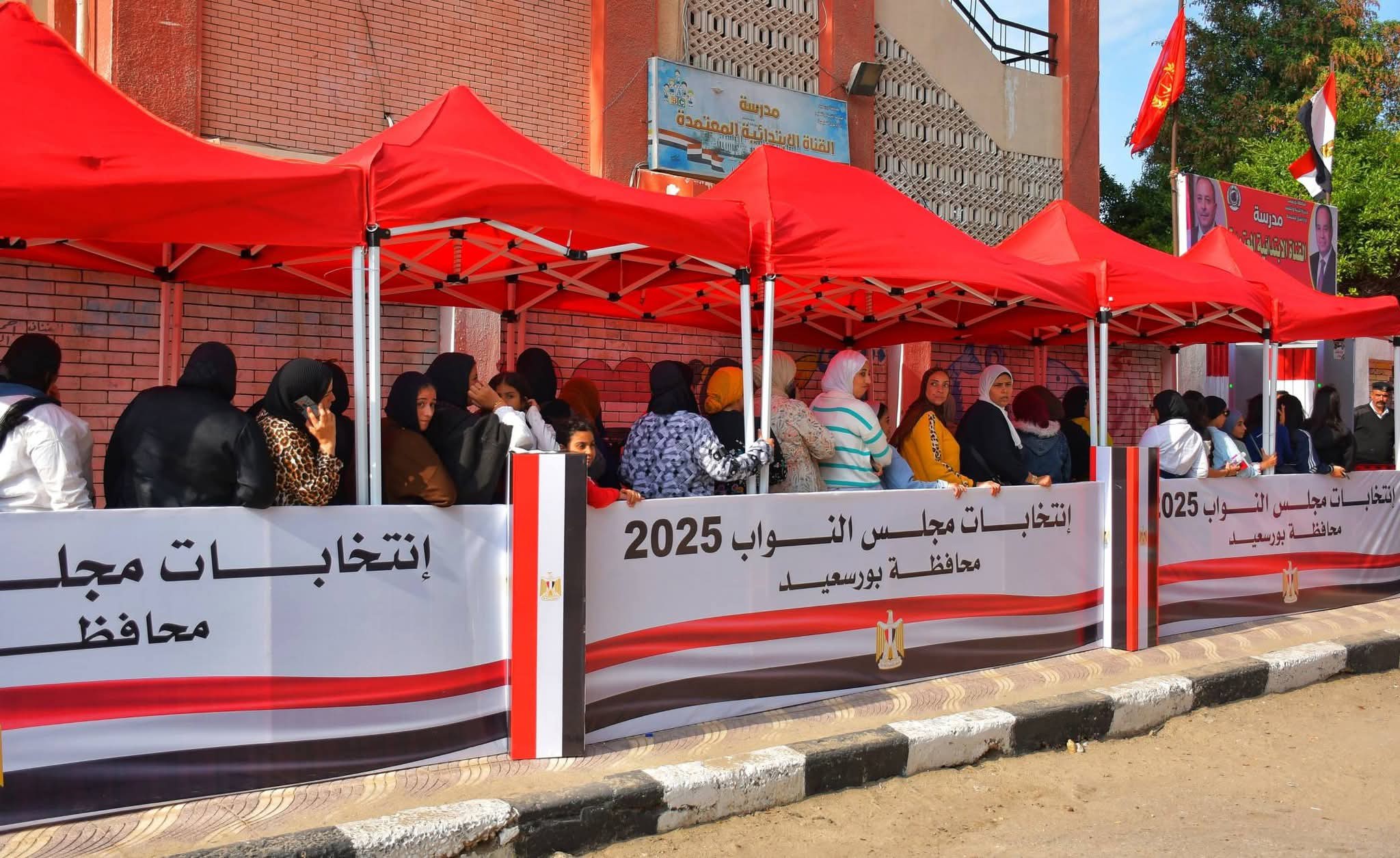
Voter coercion on display in Port Said parliamentary elections
Electoral violations visible on day two of voting in this year’s parliamentary elections saw clear incidents of voter bribery in Port Said.…
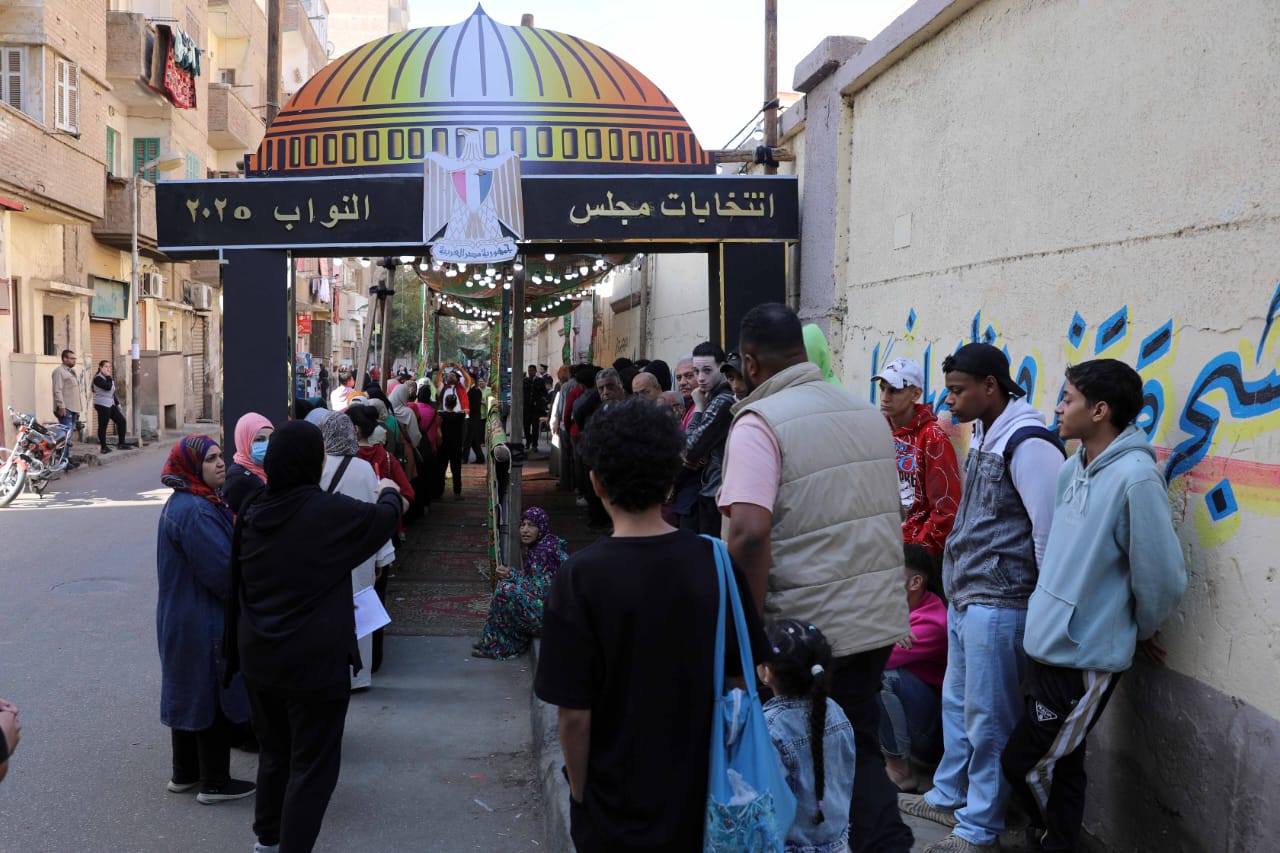
Campaign supporters assaulted at Shubra polling stations, electoral candidates say
Two candidates running for parliamentary election in the Shubra constituency reported incidents of physical violence on Tuesday, perpetrated against their team members…
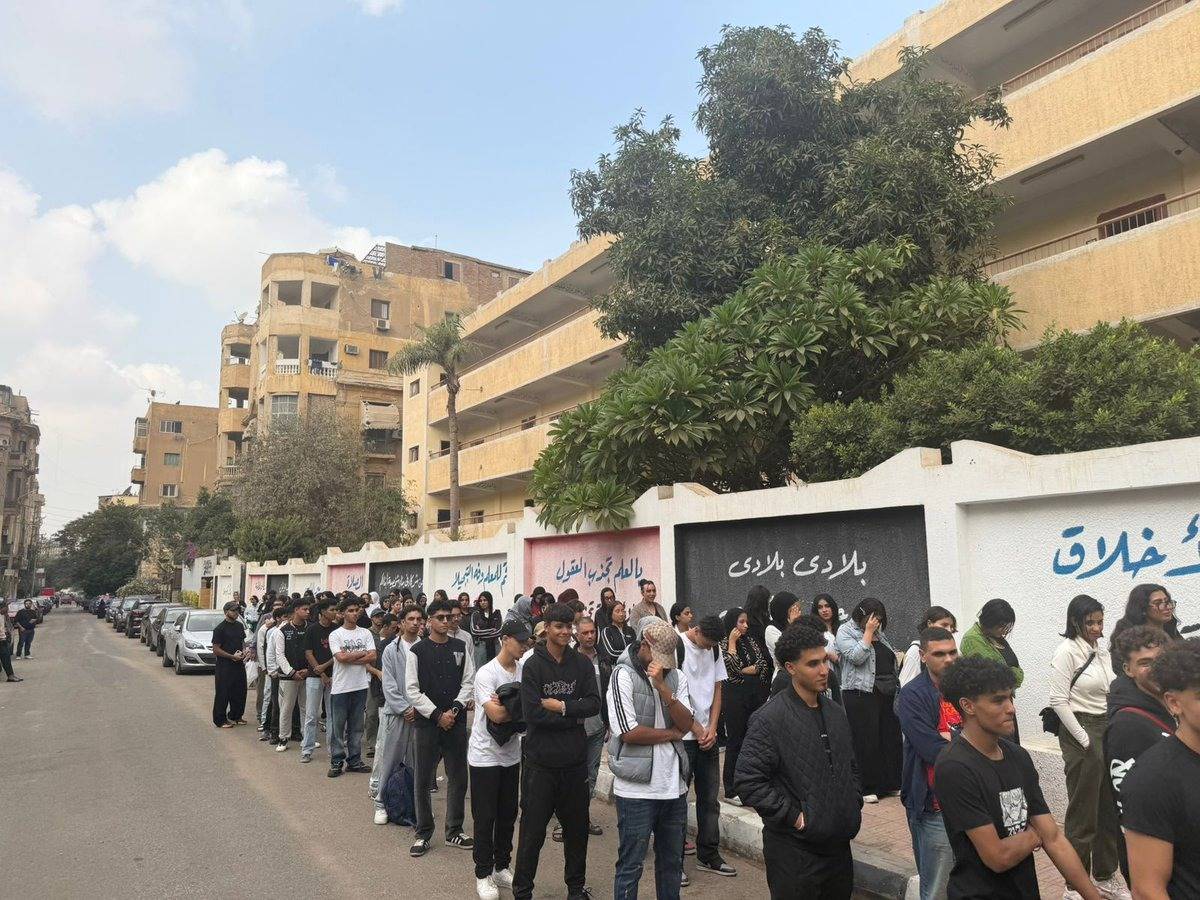
Polling stations reopen for 2nd phase of House elections, manufactured youth mobilization on display
Less glitz and glamour were on display at many polling stations that opened Monday morning for the second phase of the 2025…
Your support is the only way to ensure independent, progressive journalism survives.
You have a right to access accurate information, be stimulated by innovative and nuanced reporting, and be moved by compelling storytelling. Subscribe now to become part of the growing community of members who help us maintain our editorial independence.
Join us