
Number of women in Cabinet draws criticism from rights groups
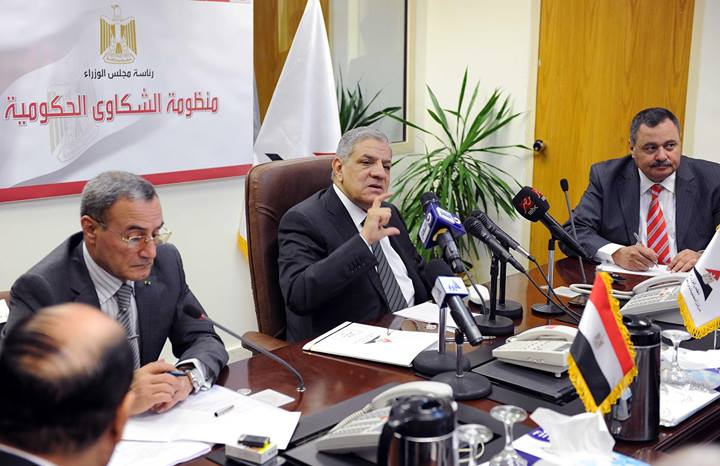
Human rights group Fouada Watch issued a statement today expressing its disappointment at the low representation of women in the second Cabinet formed by Prime Minister Ibrahim Mehleb, following the election and appointment of Abdel Fattah al-Sisi as president.
Women make up 12 percent of the new Cabinet, or four ministerial posts, compared to 13 percent in Mehleb’s first Cabinet and 16 percent in the Cabinet of former Prime Minister Hazem Beblawy — which had the highest representation of women in any cabinet since the 2011 uprising, said Fouada Watch.
Women were key supporters of Sisi’s election and turned out in droves to vote on a new constitution earlier this year, after the military’s ouster of Islamist former president Mohamed Morsi following mass protests calling on him to resign. Sisi praised Egypt’s women, saying in his first television interview: “On a personal level — and I hope no one misunderstands me — I love Egyptian women.”
However, “this Cabinet formation shows that Egyptian women still don’t have a place in decision-making,” the Fouada Watch statement said.
It echoes two statements published by the state-affiliated National Council for Women. The first stated the council's rejection of the low number of posts given to women in the new cabinet, and the second called for women’s representation in the Supreme Committee for Legislative Reform, formed by Sisi on Monday. The committee was formed to prepare and draft new laws in compliance with the 2014 Egyptian constitution.
The female ministers in Mehleb’s government, sworn-in yesterday, are: Ghada al-Wali as minister of social solidarity, Nahed al-Ashry as minister of manpower, Laila Iskandar as minister of urban development and Nagla al-Ahwany as minister of international cooperation.

أخبار ذات صلة

Rights groups reveal violations in trial of 15 executed men
Six rights groups issued a statement outlining violations in the military trial of 15 men executed
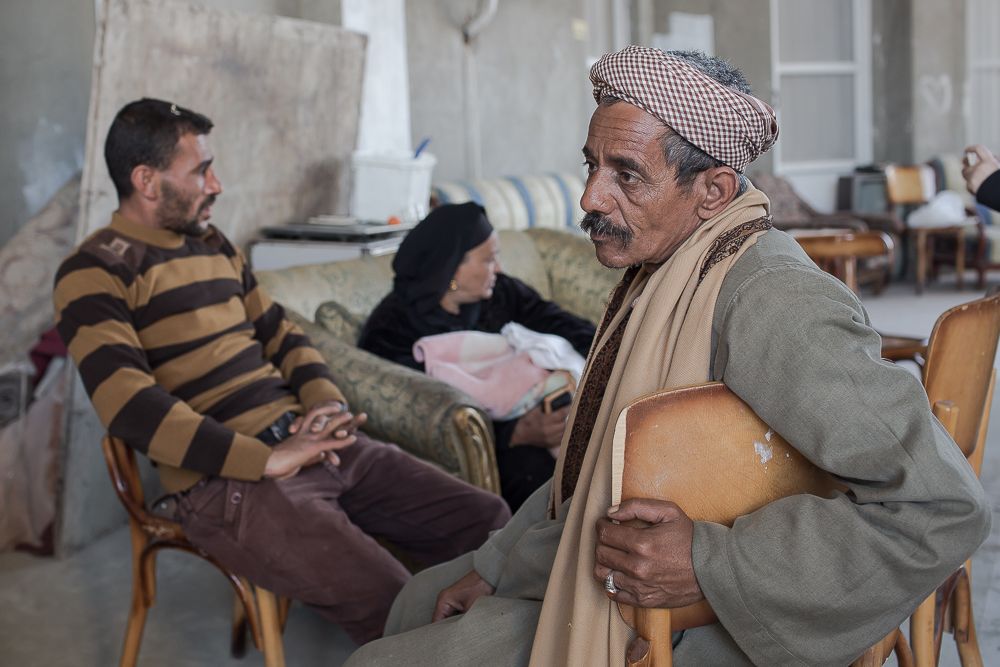
EIPR report: Targeting of North Sinai Copts leads to forced displacement, not voluntary departure
EIPR released a report on Tuesday detailing the ongoing targeting of Coptic Christians in North Sinai
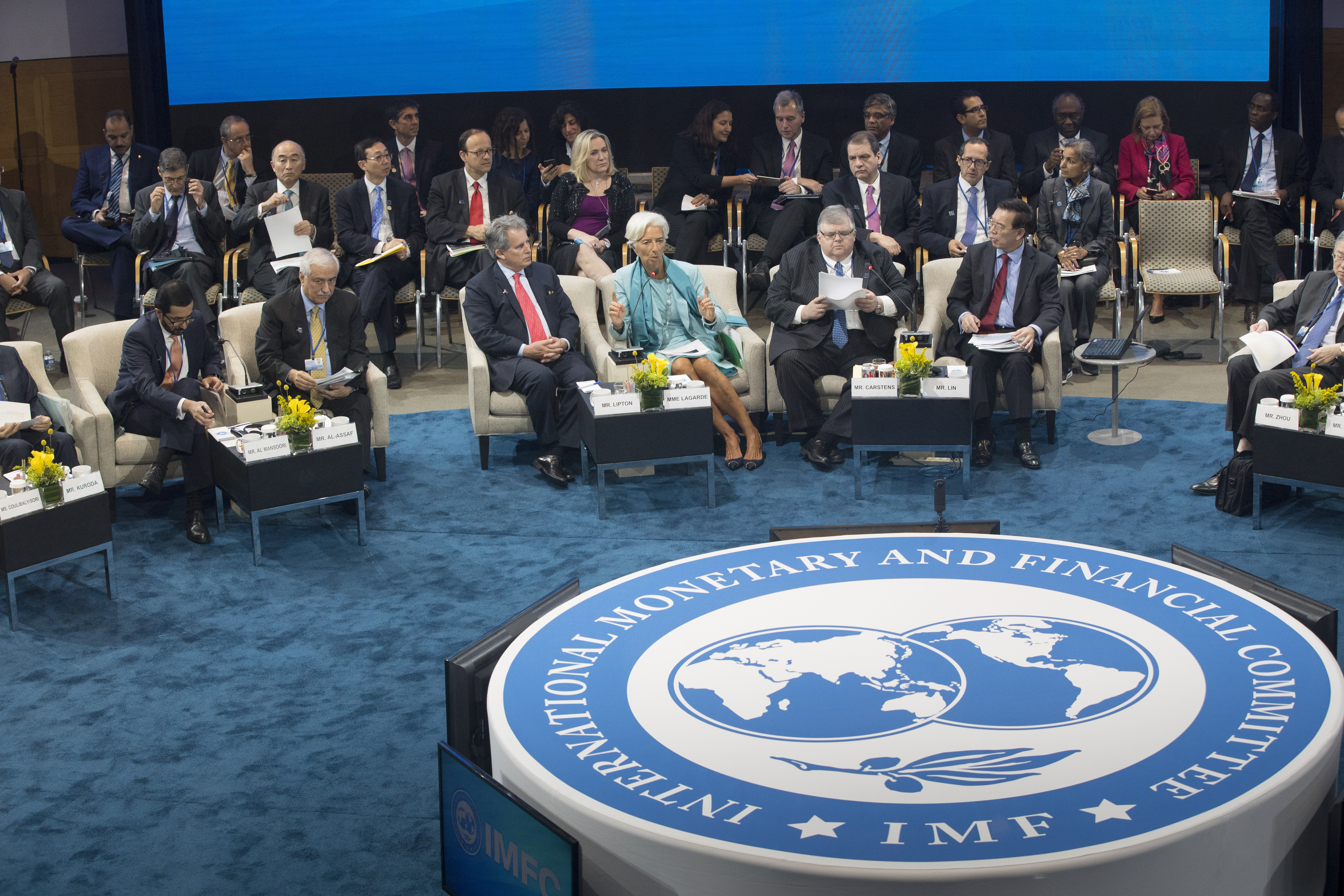
IMF’s failure to meet transparency timeframe on Egypt’s loan suggests government objections: EIPR
The IMF has failed to meet its timeframe for publishing its staff report on Egypt’s economy, and other documents relevant to the…
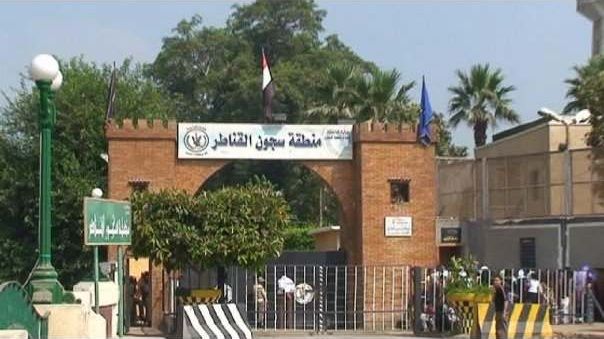
Prisons in Egypt increased since revolution and June 30
The number of prisons in Egypt increased following the January 25 revolution, and further following the ouster of the Muslim Brotherhood in…
Your support is the only way to ensure independent, progressive journalism survives.
You have a right to access accurate information, be stimulated by innovative and nuanced reporting, and be moved by compelling storytelling. Subscribe now to become part of the growing community of members who help us maintain our editorial independence.
Join us