
Prisons in Egypt increased since revolution and June 30
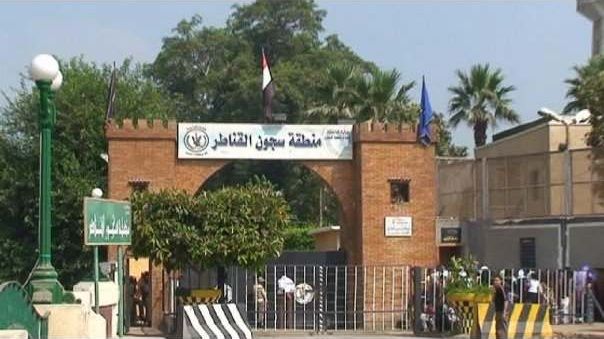
The number of Egypt’s prisons and detention centers has risen in the past five years, a report released by the Arab Network for Human Rights Information on Monday.
These increases occurred following the January 25 revolution, and accelerated with June 30, 2013, when the military overthrew the Muslim Brotherhood government, the report finds.
Discussing the relationship between the building of new prisons and the increase in the number of detainees, the study reports that there are now “thousands of prisoners instead of hundreds” in each prison. Pretrial detainees and those imprisoned pending trials have increased, the report says, and their detention time has been long, sometimes up to three years such as in the case of suspects accused in the Rabea al-Adaweya dispersal.
“The increase in the country’s population should not be met with an increase in the number of detainees,” the report states. Instead, “the increase in the population with the passing of time can be met with a development in punitive regimes, an increase in measures of fair trial, economic prosperity or political development that limits the spread of crime.” The report adds that the increase of prisons and prisoners may be the result of an increase in criminal acts, political oppression, the absence of fair trials or all these reasons combined.
Based on interviews conducted by lawyers and researchers with former prisoners and defendants, the report also includes research in the Official Gazette on decrees regarding the building of prisons. It also draws on accounts given by Ministry of Interior officials and fact-finding reports on incidents of prison escapes.
The report clarifies that the number of prisons before the revolution of January 25, 2011, was at 43 main prisons where prisoners serve sentences, in addition to 122 other prisons and 320 police stations where detainees pending trials or servicing sentences of under three months are incarcerated. These are used as detention facilities by the Ministry of Interior and for cases other than those processed through the justice system.
According to the report, 19 prisons were built after the January 25 revolution, while the period between 2013 and 2016 saw the passing of decrees for the building of 16 further prisons.
The report also documents unofficial detention centers, which have not been designated as prisons by the Ministry of Interior and hence should not be used to incarcerate citizens. These include nine Central Security camps, five of which are in Cairo. There are also the headquarters of National Security and the military Azouly prison in Ismailia.
The report cites 12 violations that prisoners face in detention facilities. These include the conditions of arrest followed by interrogations without a lawyer, unlawful extended pretrial detention, detention in illegal facilities that are unsuitable, medical negligence, the prevention of detainees from making phone calls, solitary confinement without a sentence, not granting the legal visit period and the detention of minors alongside adults. Of the 12 violations documented, nine are the responsibility of the Ministry of Interior, the report states, while the remainder is the responsibility of the general prosecution.

أخبار ذات صلة

Belqas protestors clash with police after torture kills detainee, lawyer says
Following 21-year-old Ayman Sabry’s death in police custody, footage published on social media showed clashes taking place on Sunday night between residents…
Authorities interrogated Hossam Bahgat after EIPR report on prison hunger strike, says lawyer
The Supreme State Security Prosecution released Hossam Bahgat, director of the Egyptian Initiative for Personal Rights (EIPR), from its headquarters on Sunday…
For publishing footage alleging to show torture, nine sentenced to life by terrorism court
The Public Prosecution announced that its investigations determined that the video was “staged.”
British PM affirms commitment to Abd El Fattah’s release as activist begins water strike
The activist and writer has been in prison for the majority of the past nine years
Your support is the only way to ensure independent, progressive journalism survives.
You have a right to access accurate information, be stimulated by innovative and nuanced reporting, and be moved by compelling storytelling. Subscribe now to become part of the growing community of members who help us maintain our editorial independence.
Join us