
New center for astronomy to open in Qattamiya
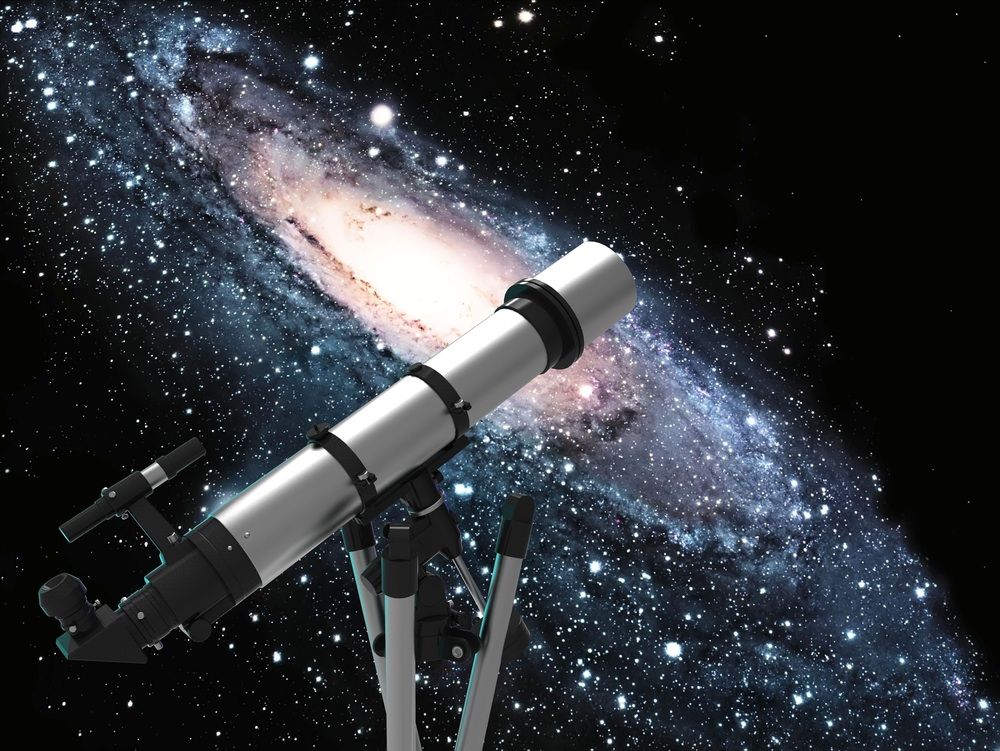
Minister of scientific research, Sherif Hammad, is scheduled to open a new LE6 million center for astronomy and space science at the Qattamiya Observatory in Egypt on September 25, the state-owned Middle East News Agency reported.
The center was established through a grant from the Fund for Science and Technological Development, sponsored by the Academy of Scientific Research and Technology in 2013.
Ashraf Latif Tadrous, head of the astronomy department at the National Research Institute of Astronomy and Geophysics, said that the new center aims to develop the Observatory’s monitoring capacity, through adding new high sensitivity sensors, establishing units to analyze and interpret satellite and space telescope meteorological readings, and train young astrologers in the Arab region and Africa on searching for planets outside the solar system.
The Qattamiya Observatory hosts the largest reflecting telescope in the Middle East and North Africa, attracting a large number of astrologers due to its location, which allows for over 200 clear cloudless nights per year. The telescope weighs 50 tons, the length of the shaft is nine meters, and the diameter of its mirror is about 188 cm.
The Observatory was upgraded in 1995 with a new mirror for the reflecting telescope, a double charging camera, an updated silver plated system, developed electrical circuits and electronic control of the dome and telescope movement.
Tadrous added that in the future, the telescope would also be equipped with a spectrometer to monitor the dim spectra of celestial bodies, as well as a photoelectric scanner to study the levels of light pollution.
Earlier in August, Minister of Scientific Research Sherif Hammad said that the ministry was looking into the possibility of equipping the Observatory with solar energy panels to save on liquid fuel used to generate power at the Observatory.
Hammad added that the ministry has been researching ways to solve the water and electricity shortage at the observatory, established in 1964, as well as fixing the road that leads to it.
Egypt is the birthplace of several highly renowned astronomers, including NASA researcher and contributor to the Mars Curiosity rover project, Dr Essam Heggy, and Egyptian American scientist Farouk al-Baz, who assisted NASA in the planning of scientific exploration of the moon, including the selection of landing sites for the Apollo mission. Both scientists have previously expressed disappointment at the obstacles to research in Egypt.
Heggy said that in 2009, NASA, who chose the Western Desert to carry out research due to its natural resemblance to Mars, had to stop their mission because of administrative issues, difficulty obtaining permission to carry out scientific missions in the desert, and the delayed release of equipment from the Customs Department. “Working in the Western Desert is more difficult than working on Mars,” he said.

أخبار ذات صلة
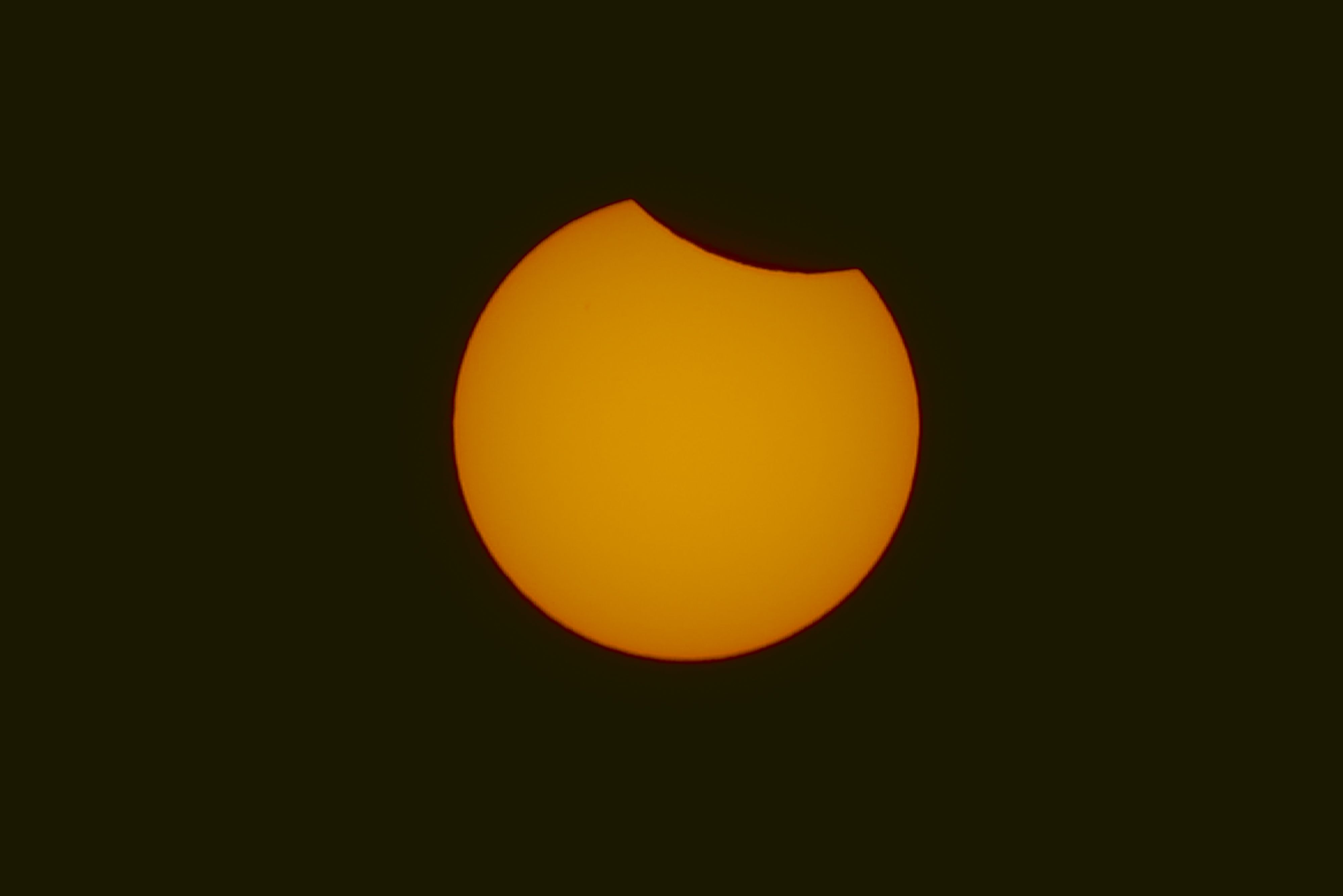
Solar eclipse awes Cairo’s astronomy enthusiasts
Egyptians who looked up at the sky this morning might have caught a glimpse of a partial solar eclipse. Viewed from Cairo,…
Sources: Officials delayed survey results showing Egyptians face highest poverty rate since 2000
The survey results show 32.5% of Egyptians live below the poverty line, the highest rate in decades
What happened to the social sciences in Egypt?
Academics lament a lack of investment in social sciences, associating it with the corporatization of education and restricted political environment
Teaching Egyptians to read ancient plants: Pioneering the field of archaeobotany in Egypt
The second in our series on Egyptology, archaeology and heritage management in Egypt.
Your support is the only way to ensure independent, progressive journalism survives.
You have a right to access accurate information, be stimulated by innovative and nuanced reporting, and be moved by compelling storytelling. Subscribe now to become part of the growing community of members who help us maintain our editorial independence.
Join us