
Mubarak may be out by week’s end
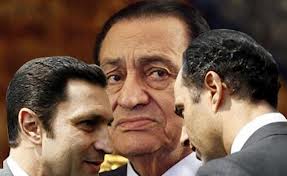
Mubarak may be out by week’s end
An Egyptian court ordered the release of ousted President Hosni Mubarak as his lawyer told reporters that he may be out of prison by the end of the week.
The court gave the prosecution 48 hours to appeal the release order, but a judicial source at the general prosecutor’s office told Mada Masr that they may decide not to appeal, which means Mubarak could be out by Thursday after some procedural paperwork.
Earlier on Wednesday, a North Cairo misdemeanor appeals court accepted a petition for Mubarak’s release in a corruption case in which he stands accused of illegally receiving gifts worth millions of pounds on an annual basis from Al-Ahram state media institution, state news agency MENA reported.
This case was the last remaining legal grounds for his temporary detention, after courts ordered his release in three other cases, MENA reported.
The ousted president is being retried on charges of ordering the killing of protesters during the 18-day popular uprising in 2011 that led to his removal by the Supreme Council of the Armed Forces. Since he has served the maximum amount of pre-trial detention permitted in this case, he can wait the retrial proceedings out of prison.
Last year, he was sentenced to life in prison for failing to prevent the killing of more than 800 protesters, and later a court accepted his appeal for retrial. He was being held at the Tora Prison hospital due to his medical condition.
The next hearing in the case regarding the killing of protesters is set for August 25.
Judges from the court had headed to Tora Prison early in the day to review the petition for Mubarak’s release two days after North Cairo criminal court’s decision ordering Mubarak’s release while keeping his two sons, Alaa and Gamal, in detention on corruption charges in the presidential palace case.
Ahmed Ezzat, a lawyer at the Association for Freedom of Though and Expression, explained that Mubarak had completed the maximum duration of temporary detention in all cases, which is two years for the killing protesters case, six months for the corruption charges and three months for the Al-Ahram gifts case.
Ezzat said that the most important of these cases is the killing of protesters, for which the proceedings have been lagging recently and the general prosecution, Ezzat says, has long been reluctant to submit evidence that incriminates Mubarak.
He is concerned that due to the current political developments, political factions currently being demonized, including the Muslim Brotherhood, may end up being wrongly incriminated in these politicized cases.
Mohamed Morsi, who came to power as the first elected civilian president after Mubarak’s ouster, was deposed by the army as mass protests demanded he step down after one year in office.
He is currently being detained pending investigation into charges of espionage, killing of protesters during the 2012 presidential palace protests, as well as the opening of the Wadi al-Natrun prison during the 2011 uprising.
Yasser al-Hawary, official spokesperson of the Free Egyptians Party, is unsurprised by the release order since Mubarak should have been tried in a political case, and not on charges of illegally owning property and receiving gifts from Al-Ahram, since these insignificant cases are mired in legal loopholes, he said.
“None of the governments that have been in place since Mubarak’s trial have done anything to implement transitional justice laws and measures,” he said. “In the killing of protesters case, all the evidence is in general intelligence and state security so it will not be submitted.”
The Coalition of National Revolutionary Forces said this was a catastrophe for the January 25 revolution, adding that Mubarak should have been tried on charges related to decades of political corruption.

أخبار ذات صلة
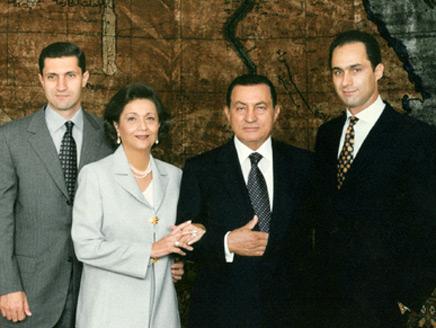
Lawsuit to prevent Mubarak’s family from running for office postponed to November 25
The seeks to reopen investigations into the family’s funds and re-suspend their political rights
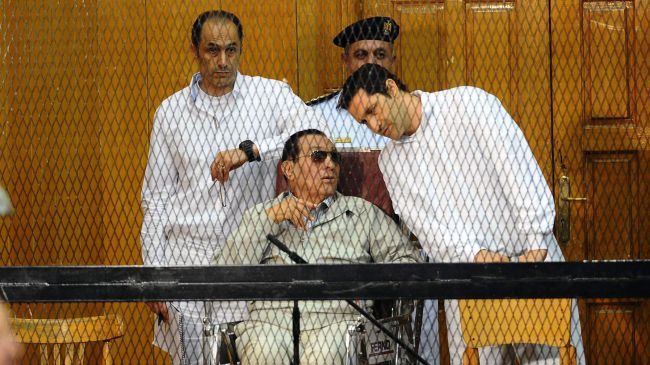
Three days of mourning announced for former President Hosni Mubarak
The presidency issued a statement expressing “great sadness" over Mubarak's death.
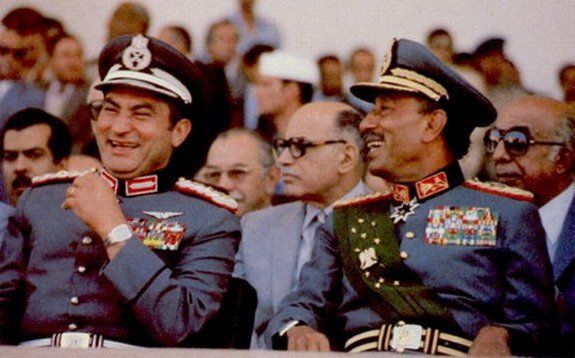
Hosni Mubarak (1928–2020): The rise and fall of Egypt’s longest-ruling president
Mubarak used fear of Islamists to justify a repressive police state.
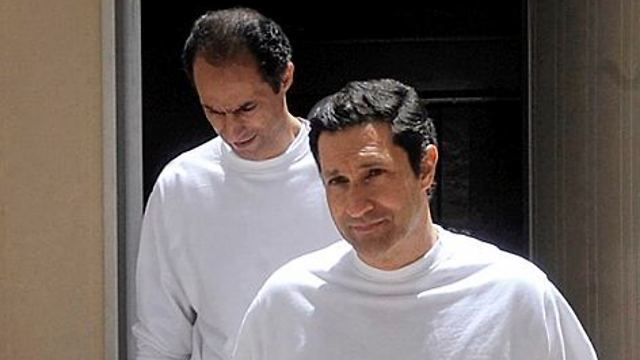
The Mubaraks’ quick turn through the jailhouse turnstile
Alaa and Gamal’s brief stint in detention points to government dissatisfaction with their political standing
Your support is the only way to ensure independent, progressive journalism survives.
You have a right to access accurate information, be stimulated by innovative and nuanced reporting, and be moved by compelling storytelling. Subscribe now to become part of the growing community of members who help us maintain our editorial independence.
Join us