
Mubarak features on Transparency International ‘grand corruption’ list
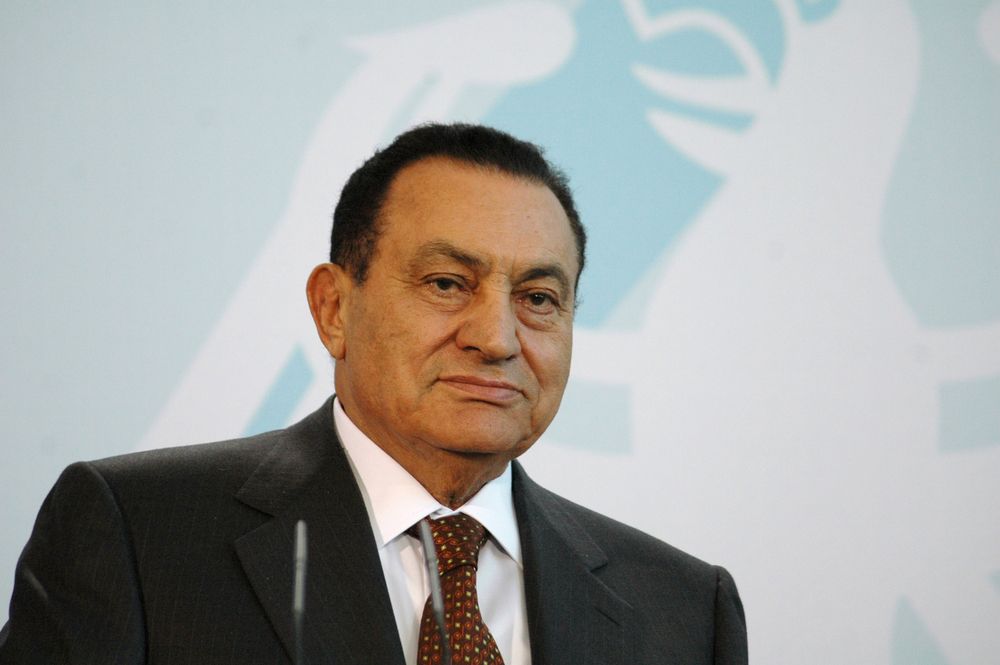
Hosni Mubarak can be elected in an “Unmask the Corrupt” campaign, which asks ordinary people worldwide to vote to “highlight the most symbolic cases of grand corruption.” The campaign’s voting phase was launched Wednesday by Transparency International to mark International Anti-Corruption Day.
The candidates are 15 political leaders and multinational companies picked from 383 submissions from the public, according to Transparency International. Among them are the former Egyptian president and former Tunisian President Zine al-Abidine Bin Ali, both ousted by their fellow citizens during revolts in Egypt and Tunisia in 2011.
“Grand corruption” is defined as “the abuse of high-level power that benefits the few at the expense of many” by the Berlin-headquartered NGO, which is funded by dozens of international government and non-governmental organizations, corporations and individuals.
“For far too long the corrupt have gotten away with their systematic abuses of power, terrible human rights violations and the general destruction of the daily lives of people,” said Transparency International chairperson José Ugaz. “This ability to act with impunity must stop. Once we have identified the world’s greatest symbols of grand corruption, we will pursue social and legal sanctions for their deeds against the people, especially the poorest.”
The list also includes Dominican Republic senator Felix Bautista, Brazilian oil giant Petrobras, the Fédération Internationale de Football Association (FIFA), the US state of Delaware, and Lebanon’s entire political system. Voting is open through February 9, and can be done at the Unmask the Corrupt website. After that, Transparency International "will openly discuss with all how the corrupt should be punished."
Transparency International quoted a UK-based expert who evaluated the wealth of Mubarak’s family as ranging between US$1 billion and $2 billion. “At the time of his resignation, Mubarak family’s riches contrasted sharply with the life of ordinary Egyptians battling low wages, high inflation rates and massive unemployment,” it said. “Egyptians can ill afford any diversion of public funds into the pockets of the elite few.”
Immediately after his resignation, Mubarak, his two sons Gamal and Alaa, and various officials from his regime were investigated in corruption related charges, but they were mostly acquitted in 2013 and 2014. Mubarak and his sons were only convicted in a case concerning the presidential palaces, resulting in sentences of three or four years in prison for embezzling state funds as well as a LE125 million ($17.5 million) fine.
In the latest report released by the US-based non-profit Global Financial Integrity on illicit financial flows from developing and emerging economies, almost $39.8 billion was illicitly taken out from Egypt in the period from 2004 to 2013. Egypt ranked 36 of 149 developing countries worldwide witnessing widespread illegal movement of money. The highest yearly amount leaked out of the country occured in 2008, reaching $6.1 billion. In 2013, $3.6 billion flowed out illicitly.

أخبار ذات صلة

Piled-up debts, missing medicines: Sisi cuts back powers of Unified Procurement Authority
UPA’s debt crisis has led to severe drug shortages and higher out-of-pocket costs for patients
Rice export ban for everyone but Argany
In early February, the Egyptian Customs Authority renewed its ban on rice exports, which has been in place for over eight years per the given rationale that it will help…
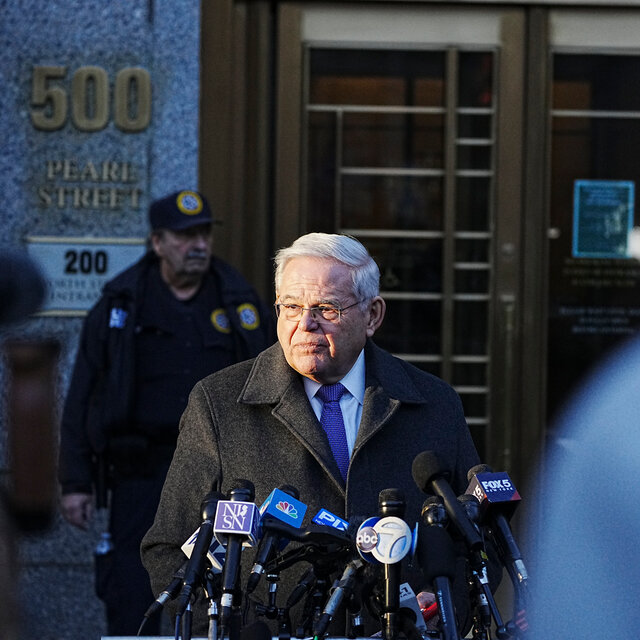
US court sentences Robert Menendez to 11 years after senator serviced Egyptian govt interests in office
Former United States Senator Bob Menendez was sentenced to 11 years in prison on Wednesday for taking thousands of dollars in cash…
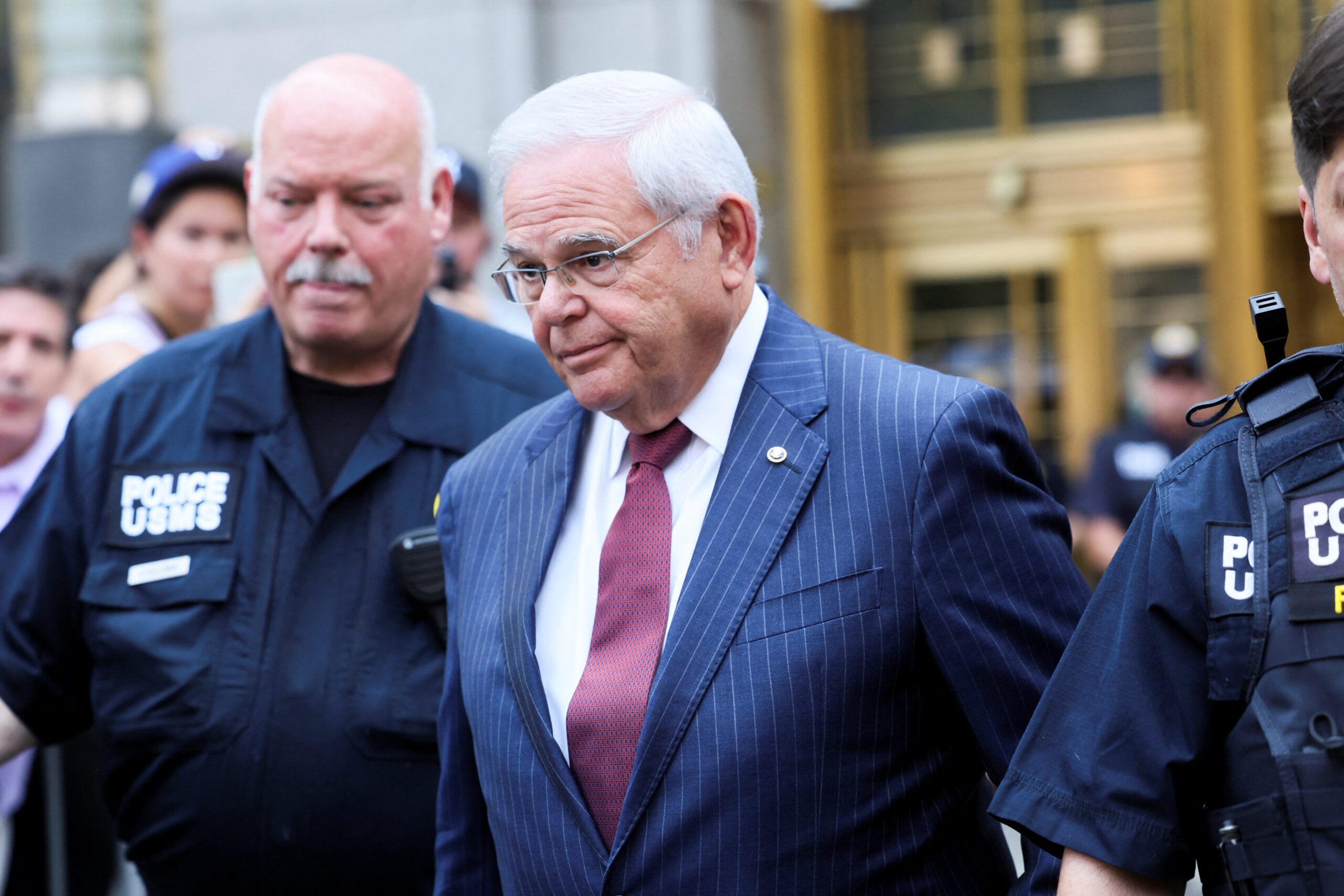
‘Politics for profit:’ US Senator Robert Menendez convicted of bribery, acting as foreign agent for Egypt
The conviction makes him the first US senator in history to be charged for acting as a foreign agent
Your support is the only way to ensure independent, progressive journalism survives.
You have a right to access accurate information, be stimulated by innovative and nuanced reporting, and be moved by compelling storytelling. Subscribe now to become part of the growing community of members who help us maintain our editorial independence.
Join us