
More than 300 people hospitalized in Sharqiya, cause of illness unclear
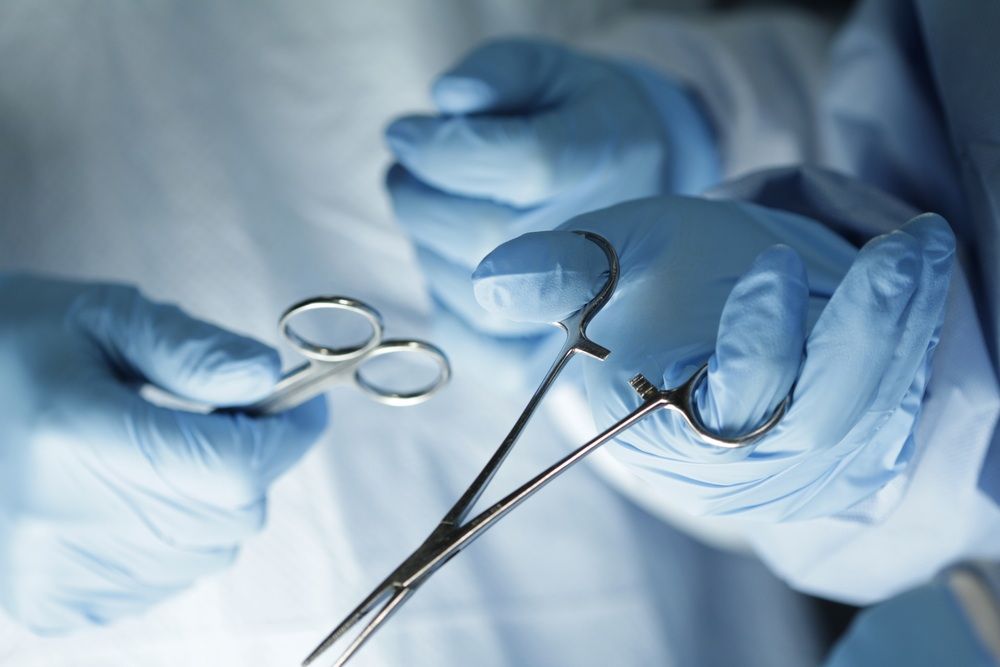
At least 379 people were hospitalized in Sharqiya on Friday after displaying symptoms of poisoning, the state-owned Middle East News Agency (MENA) reported.
Residents of Ibrahimeya City in the northern governorate blamed the drinking water, which they said had a strange smell, according to the state-owned newspaper Al-Ahram. During the Friday sermons, area mosques reportedly warned citizens not to drink the water, Al-Ahram said.
By Friday afternoon, more than 200 people were permitted to check out of the hospital after being treated, according to Health Minister Adel Adawy.
Adawy said that tests conducted on patients would take at least three days to yield results, and cautioned against making any assumptions about the cause of the outbreak before then.
Water Resources and Irrigation Minister Hossam Maghazy ruled out any link between the Sharqiya poisonings and the recent phosphate spill in the Nile River. On Tuesday a barge carrying 500 tons of phosphates capsized in the Nile in the Upper Egyptian governorate of Qena.
Other analysts have also said the mass illness was not linked to the spill, as several other governorates that lie between Qena and Sharqiya — including Cairo, Assiut, Minya and Fayoum — did not report any complaints with the water, or any other adverse effects that could be traced back to the spill, MENA reported.
After the barge accident, government officials said that the spill would pose no threat to human health. Gameela Hussein, a water pollution specialist at Egypt’s National Research Center, also told Mada Masr that phosphates — which are present in all living cells — are not toxic for humans or other wildlife.
Tuesday’s spill is most likely to cause an increase in the growth of algae, which thrives on the influx of nutrients from the phosphates. An algae bloom could cause problems for water treatment, because more chemicals, such as chlorine and aluminum sulphates, would be needed to remove algae from drinking water.
Egypt depends on the Nile for nearly all of its drinking and agricultural water. According to the World Health Organization, health problems caused by unsafe drinking water and poor sanitation are estimated to be responsible for 2.8 percent of deaths in Egypt, including 13 percent of deaths of children under five years old.

أخبار ذات صلة
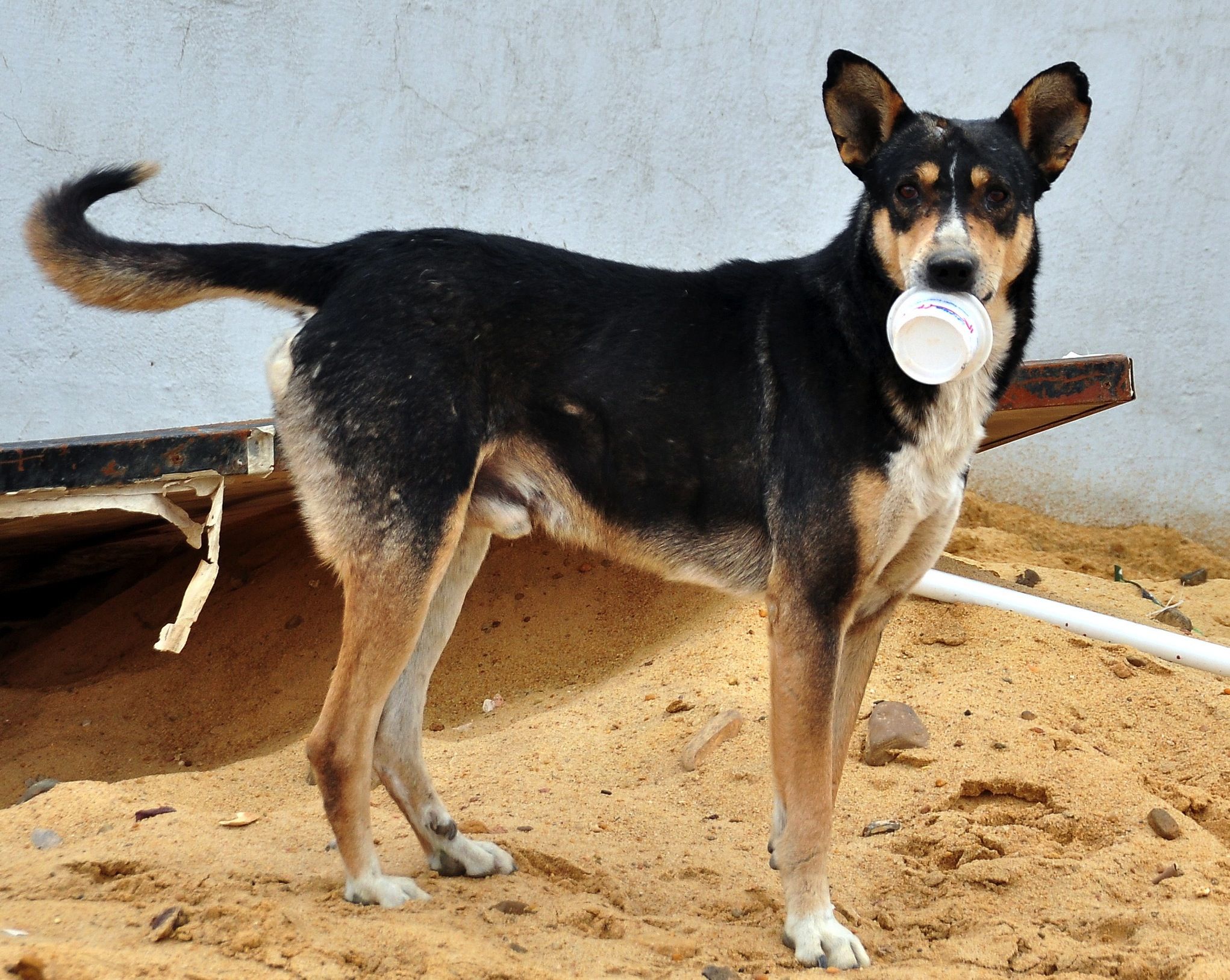
Woman hospitalized after coming in contact with poison used to kill stray animals
Sanaa Alaa was hospitalised after coming in contact with the poison Strychnine, used by authorities to kill stray animals
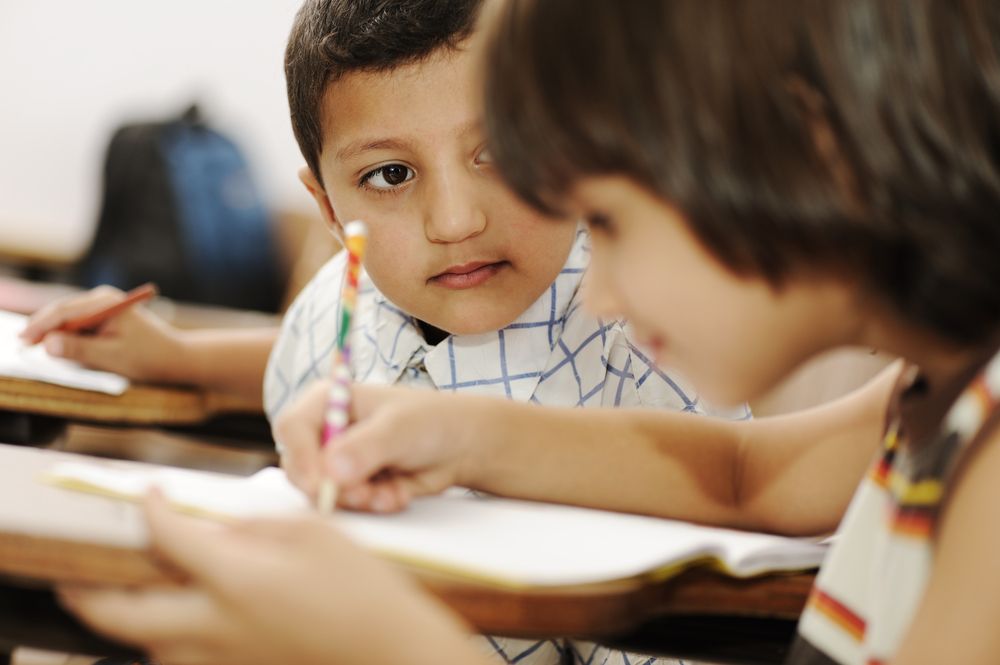
Food poisoning spreads among Egypt’s children, likely caused by free school meals
Over 300 children exhibited symptoms of food poisoning in three governorates across Egypt on Tuesday, adding to a spate of food poisoning…
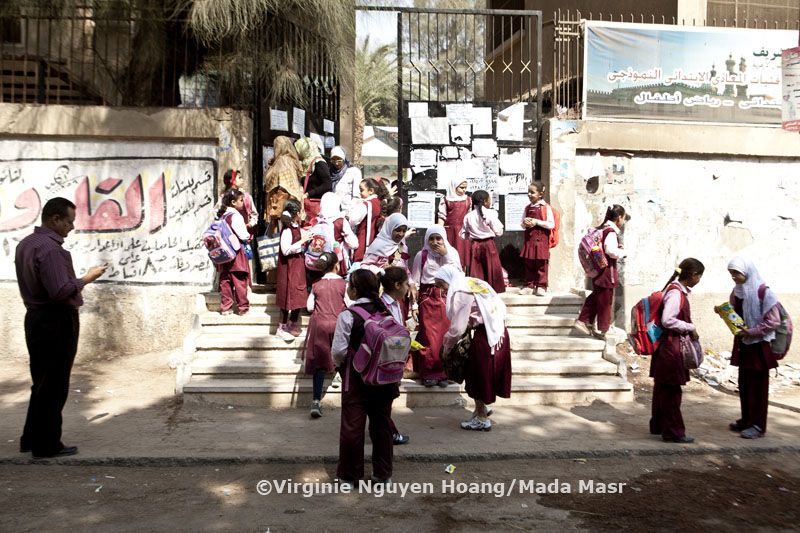
Hundreds of children hospitalized in ‘suspected’ food poisoning outbreak in Sohag
Over 2,200 school children were admitted to hospital on Tuesday in Sohag following “suspicions” of mass food poisoning
Death, sexual assault and mass food poisoning in first week of school
Familiar stories of overcrowded classes, rickety school buildings and dead and injured students have emerged since the start of the new academic…
Your support is the only way to ensure independent, progressive journalism survives.
You have a right to access accurate information, be stimulated by innovative and nuanced reporting, and be moved by compelling storytelling. Subscribe now to become part of the growing community of members who help us maintain our editorial independence.
Join us