
Minister compares New Suez Canal to Prophet Mohamed’s battle trench

As Egyptians brace themselves for the opening of the New Suez Canal on Thursday, religious clerics join a chorus of support for the initiative.
The Ministry of Endowments released a sermon guideline for Friday prayers on August 7, one day after the much-anticipated opening. The sermon is titled, “Suez Canal Opening is an example of will and work,” in reference to one of Prophet Mohamed’s largest battles.
The sermon, prepared by Minister of Endowments Mohamed Mokhtar Gomaa and published on the ministry’s official website, refers to “Ghazwat al-Ahzab” (the Battle of the Allies), in which Prophet Mohamed ordered the digging of a trench to prevent a huge alliance of enemies from entering Al-Madina Al-Munawarah.
“The opening of the Suez Canal is a gift from God to the people of Egypt, and a sign from him of victory against the enemies of God and the nation, who wanted Egypt to be defeated. Yet, these enemies have learnt their lesson from the strength and will of those great people,” Mokhtar’s sermon read.
The message detailed four important lessons to be learned from the Battle off the Allies: using new tactics to surprise the enemy, having a strong, unified leadership, the importance of love between a leader and his followers and the need to deal with hypocrites.
The sermon referred to the completion of Prophet Mohamed’s trench before the proposed time, making a strong connection to the completion of the New Suez Canal in just a year, rather than the three years originally planned.
“The love between the leader and his followers was very clear by their obedience in all matters, especially regarding military issues that needed swift decision making,” the sermon said.
The Endowments Ministry has been particularly involved in regulating religious sermons since the ouster of Muslim Brotherhood President Mohamed Morsi in July 2013. Gomaa ended the tenure of thousands of freelance preachers, mostly Brotherhood affiliated, who gave Friday sermons, as well as banning the holding of prayers in small mosques and the placing of all mosques under the supervision of the ministry.
Gomaa also decided to unify the topic of Friday sermons nationwide, posting weekly guidelines for preachers on the ministry's website.
Other contentious remarks were made by former Grand Mufti Ali Gomaa, a staunch supporter of Sisi, who played a role in attacking the Muslim Brotherhood both before and after Morsi. On talk show, “Wa Allahu a’alam” (God Knows Better), aired on the privately owned CBC channel, the host asked Gomaa for his jurisdiction on jihadists who independently implement Sharia Law. Gomaa swiftly replied that they are “debauched.”
The former mufti referred to a Hadith by Prophet Mohamed: “Whoever obeyed the Amir has obeyed me, and whoever disobeyed the Amir has disobeyed me.” When asked about who the Amir is in this case, Gomaa replied: “The head of the state, President Abdel Fattah al-Sisi.”
“Sisi says there should be a separation between powers: the executive, the legislative and the judicial. The Amir is the one who orders. The Amir is the one who heads [whatever institution]. The Amir of this place [Media Production City] is Osama Heikal,” he explained.
Both the current government and previous administrations have been criticized for using religious rhetoric to defame their opponents and strengthen their power. Institutions like Al-Azhar have always had strong affiliations with the state.
Researcher in religious freedoms at the Egyptian Initiative for Personal Rights, Amr Ezzat, comments on this relationship in his study, “To whom do the minbars belong to today? An analysis on the state’s policy in running mosques,” adopting the phrase, “the state of the imam.” The imam he refers to is the “caliph” (the leader of the Muslims), who has the supreme right to run the affairs of Islam. According to Ezzat, this term was coined in the writings of Muslim Brotherhood leader Salah Soltan, who recently received a death sentence for instigating violence.
Minister Mohamed Mokhtar Gomaa said in previous statements that the Egyptian state is now the imam.

أخبار ذات صلة
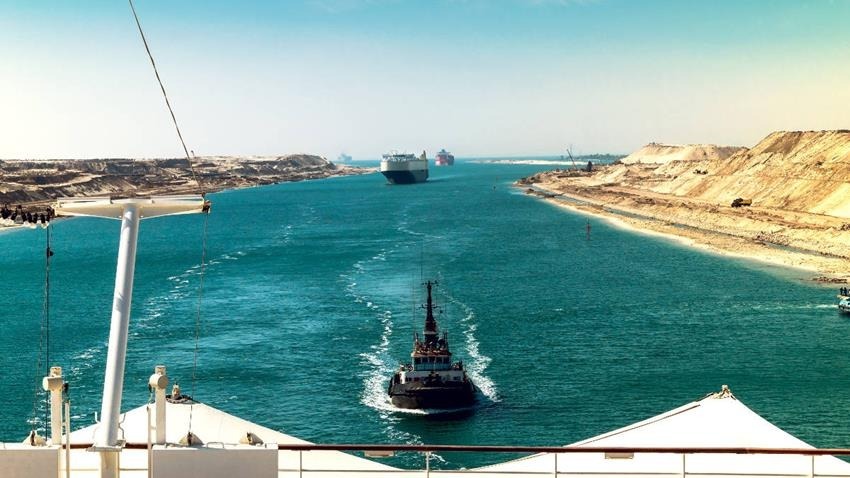
Suez Canal official: Trump’s demand ‘thuggery’ but revenues would be minimally impacted by granting US ships free access
Trump’s comments marked the latest in a set of radical aspirations he has voiced as he seeks to
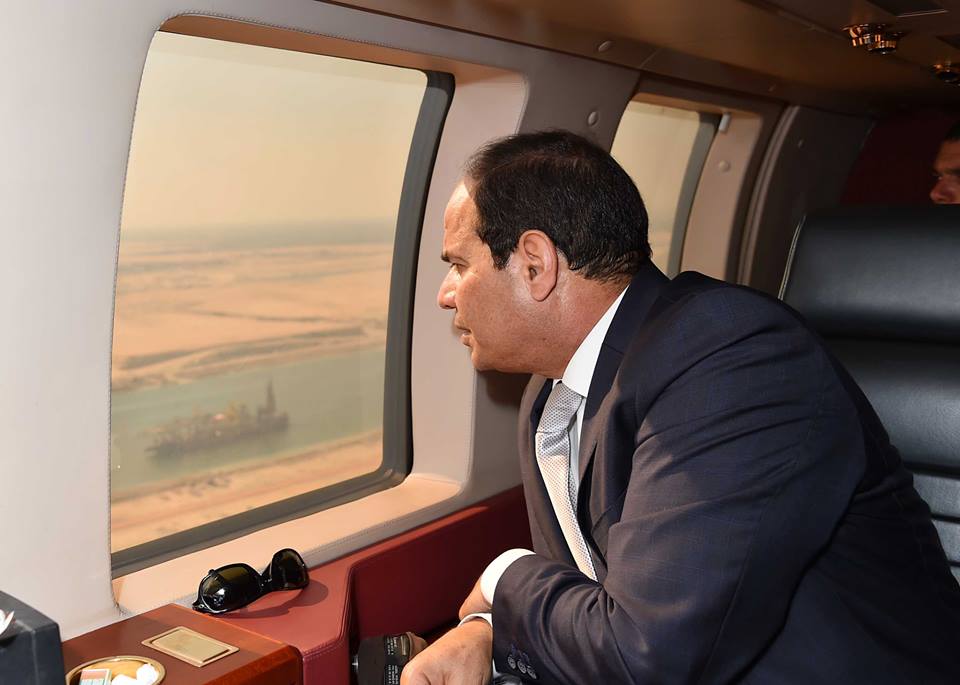
1 year on: Where does ‘New Suez Canal’ stand?
While there have been benefits, a year has proven that the Suez Canal expansion's minor gains represent a Pyrrhic victory, with the expansion at best not stemming a widening balance…
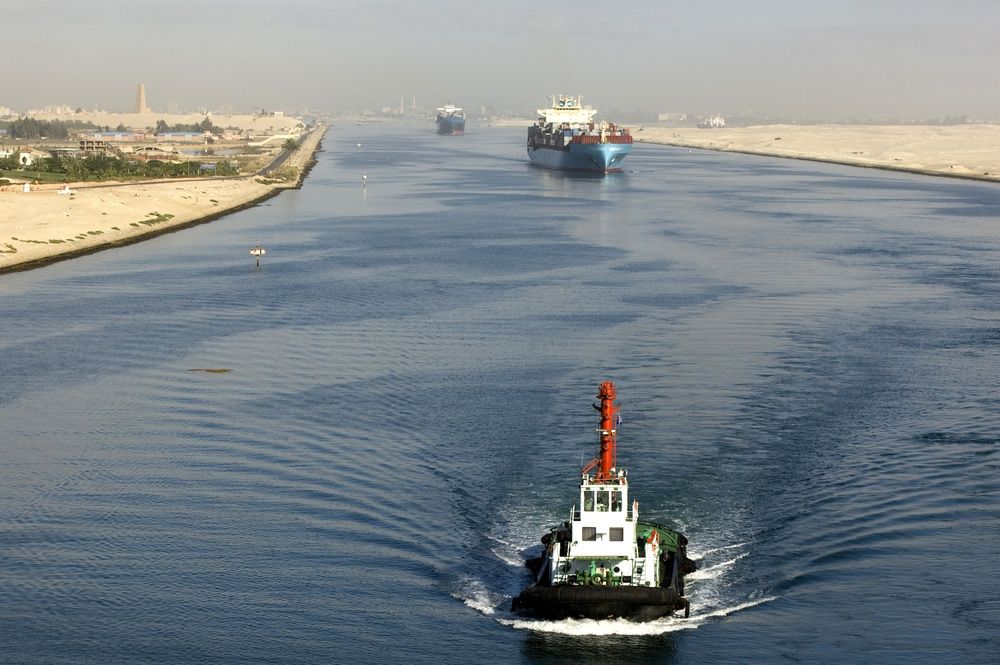
Bad news for Suez Canal as global shipping index bottoms out
The Suez Canal has posted year-on-year declines for nine months in a row as of October, and global trade metrics suggests the…

Suez Canal revenues falling, despite expansion project
Suez Canal revenues continued their downward trend in September, with US$448.8 million in tolls collected compared to US$469.8 million in the same…
Your support is the only way to ensure independent, progressive journalism survives.
You have a right to access accurate information, be stimulated by innovative and nuanced reporting, and be moved by compelling storytelling. Subscribe now to become part of the growing community of members who help us maintain our editorial independence.
Join us