
Journalists face difficulties covering referendum
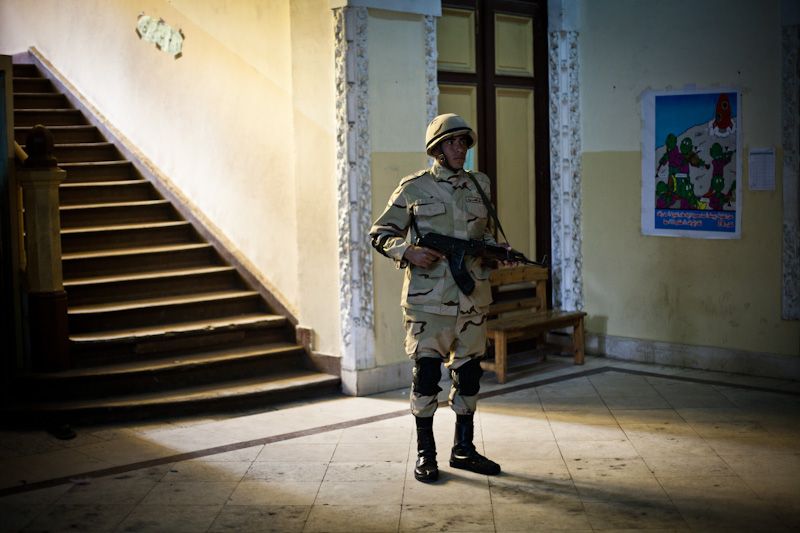
Many journalists reported being harassed by both security forces and sometimes voters themselves while reporting at polling stations during the constitutional referendum.
The online Journalists’ Syndicate issued a statement late Tuesday saying that the syndicate’s operation room, which monitored violations against journalists, uncovered eight cases in which authorized journalists were not allowed into polling stations, and one case where a journalist was assaulted.
The report says that an officer securing a polling station in Heliopolis assaulted journalists verbally after he refused to let them into the polling station, even after they showed him their authorization from the High Elections Committee.
According to the syndicate, journalists who had prior authorization to cover events were prohibited from entering several polling stations in Cairo, either by a judge or the police, who alleged that the Interior Ministry instructed them to do so. The syndicate adds that military forces also did not allow photojournalists to take photos in some polling stations, claiming that pictures were prohibited.
The State Information Service (SIS) posted an announcement on its official website on Wednesday stating that “monitors attempted to distort the positive image of Egypt,” stressing their ongoing cooperation with the Foreign Ministry.
However, the SIS removed the statement from its website shortly after it was posted, and told journalist Bel Trew it was a mistake by an employee, as she relayed on her Twitter account.
Only those with High Elections Commission permits were allowed to enter polling stations, with many journalists who were not able to attain them saying that they were not allowed to work, even outside stations.
Aya Nabil, a journalist at Al-Youm Al-Sabei, said that she was asked numerous times to leave the vicinity of the polling station by military officers, even though she had her Journalists’ Syndicate card.
Another journalist said that a military soldier approached her while she was observing a polling station from the outside, telling her that his superior officer had given instructions that she was to stay at least 200 meters away from the station.
Other journalists complained of increased suspicion from voters, which they say was not present to this extent in previous elections. Journalists said that voters insisted on seeing their identification and frequently asked them what they had voted themselves before agreeing to answer their questions.

أخبار ذات صلة
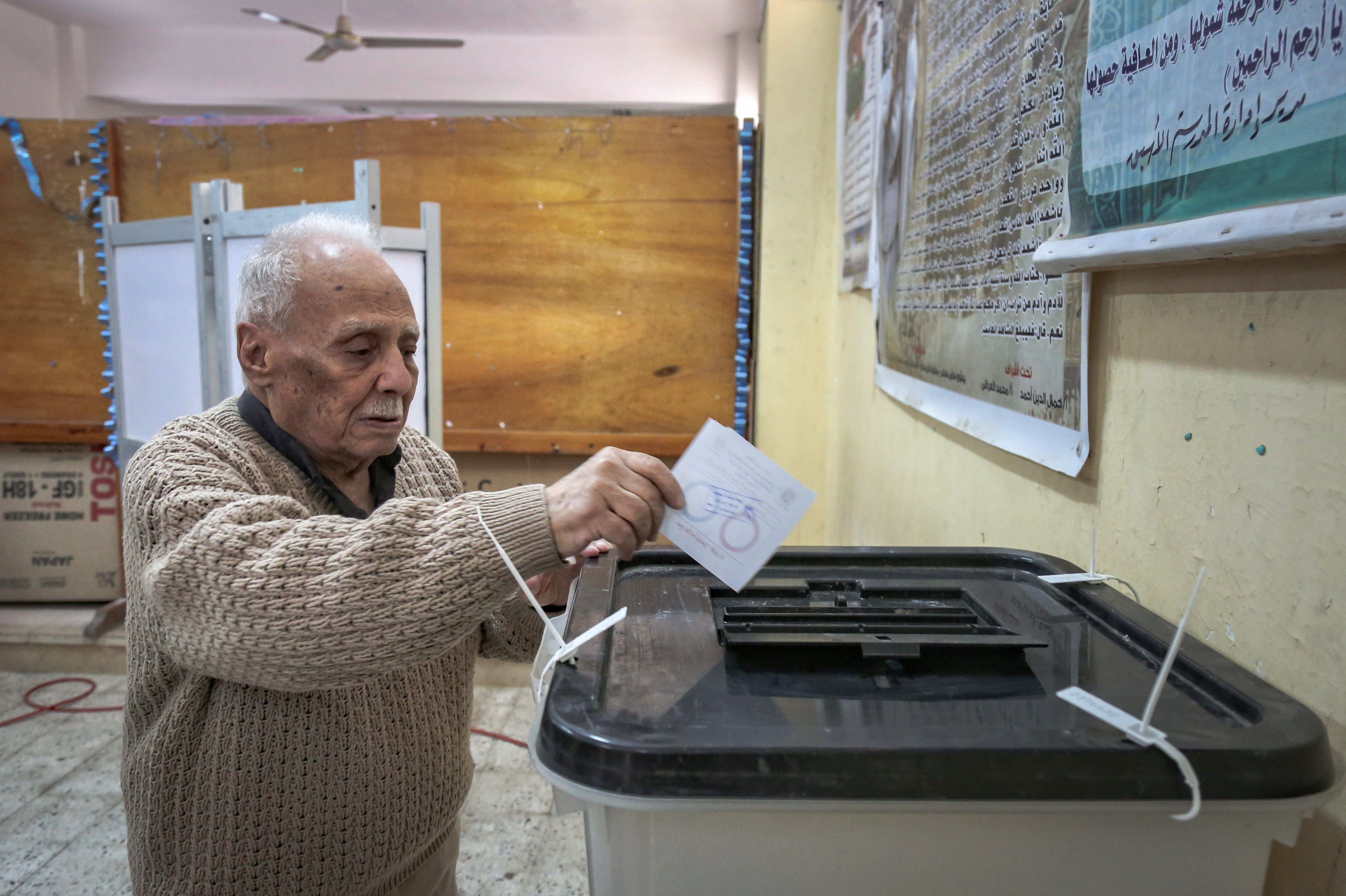
Voting in the dark: Ramming the constitutional amendments through
“What difference does it make what [voters] know or don’t know?” says one parliamentary source.
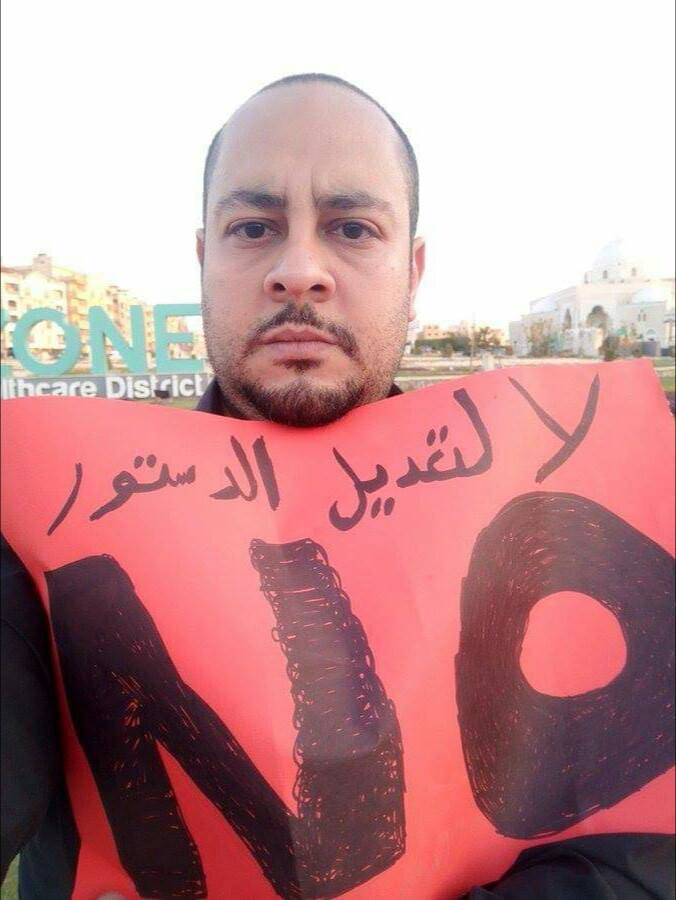
Ballot-box politics: What has pushed Egypt’s opposition to vote ‘no’?
Unlike in previous votes, more opposition members are calling for a 'no' vote than for a boycott.
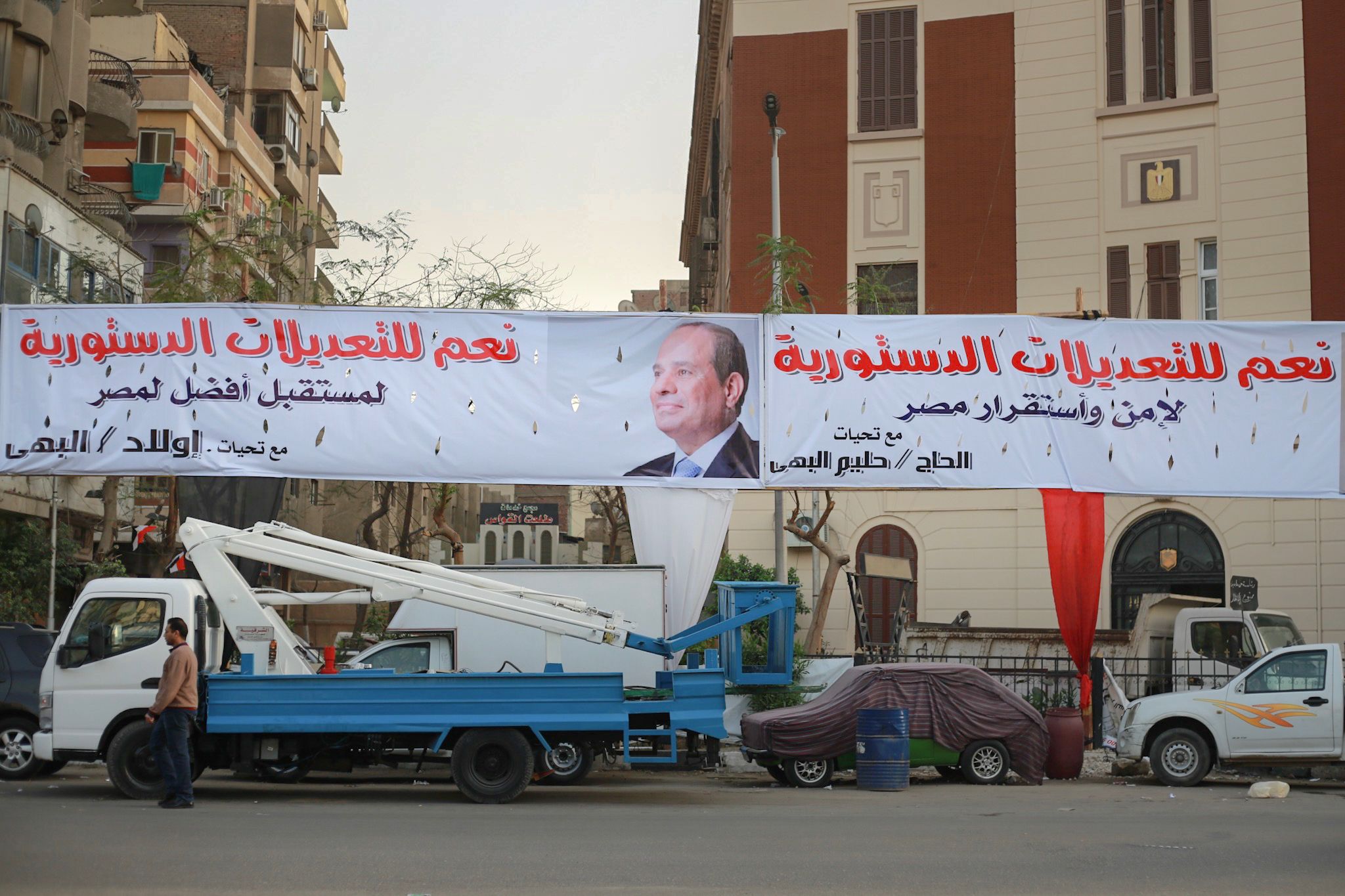
National referendum on constitutional amendments to begin 3 days after parliamentary approval
A national referendum on amendments to the Constitution will be held this weekend
A disintegrating coalition: Rifts re-emerge after Dostour Party’s default leadership election
Rifts have re-emerged within the Dostour Party days after the default election of Khaled Dawoud as party president
Your support is the only way to ensure independent, progressive journalism survives.
You have a right to access accurate information, be stimulated by innovative and nuanced reporting, and be moved by compelling storytelling. Subscribe now to become part of the growing community of members who help us maintain our editorial independence.
Join us