
Islamic Art Museum severely damaged by blast
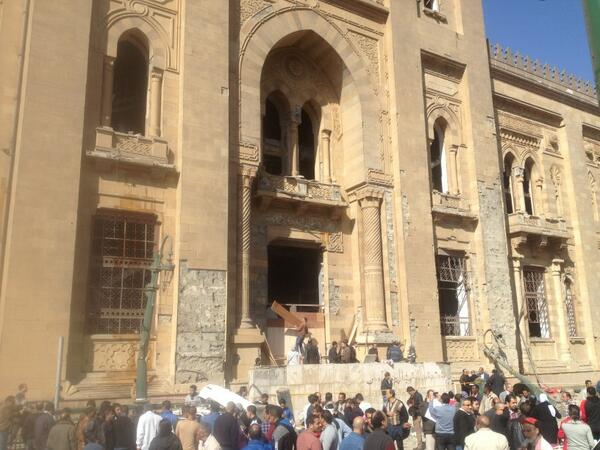
Damages to Cairo’s Museum of Islamic Art as a result of Friday morning’s blast will cost several times more to fix than the LE107 million it took to renovate the historic building, according to Mohamed Ibrahim, minister of state for antiquities.
Ibrahim visited the museum to assess the damage hours after an explosion went off in the early hours of Friday outside the Cairo Security Directorate, which is opposite the museum in Bab al-Khalq, according to state news agency MENA. Four were killed and dozens injured in the blast.
Much of the museum’s decorative interior designs were destroyed and the ceilings have collapsed. The glass on the building’s façade was broken, as were glass display cases housing the artifacts.
Many historic pieces were completely ruined, including the rare minbar of Sayeda Roqaya, which dates back to the Fatimid era (909 to 1171).
The neighboring Dar al-Kutub Museum, which has a massive collection of Arabic, Turkish and Persian manuscripts, was also badly damaged.
A group from Egypt’s Heritage Task Force inspected the site on Friday and said that the building’s hanging ceiling had collapsed as a result of the explosion, its façade “seriously affected” while the glass and ceramic objects have been damaged.
“In Dar al-Kutub, behind the museum, eight manuscripts have been destroyed and several others damaged and are currently being transferred to a safe place,” the task force said.
After criminal investigations are through, the museum will be emptied of its rare artifacts and archeological collections until a committee is formed to assess the total costs to repair the damages, the minister said. In the meantime, a security cordon will be in place around the museum.
A Mada Masr reporter on the scene said that wooden planks were being installed to board up the entrance and broken windows. However, pedestrians were allowed to roam freely around the site of the blast despite it having been sealed off earlier with police tape. Some were able to walk all the way up to the door of the security directorate.
The minister denied that a water pipe had burst inside the museum. The water came from damages to its central air conditioning system, he said, making it impossible to control the interior temperatures and humidity levels, which is vital to the preservation the rare items on display.
Monica Hanna, an Egyptian archeologist and member of the task force, said on Twitter that many of the manuscripts were damaged and water had reached them due to attempts to extinguish the fire. Eight were completely ruined, she said.
Experts are on the scene investigating the possibilities for immediate restoration of the manuscripts and possibly moving the damaged artifacts to a safe storage site, Hanna said.
She added that some of the wooden artifacts were salvageable.
The historic building had closed its doors in 2003 to undergo complete renovation and restoration, at a total cost of $10 million. It opened its doors to the public in September 2010 and was celebrated as the world’s largest, housing around 2,500 artifacts dating from the 7th to the 19th centuries.
The museum dates back to 1870 and was originally located at the Fatimid Mosque of al-Hakim. It was moved to its current location in 1903, according to the website of the Supreme Council of Antiquities.
Its wide collection, displayed in 25 galleries on one floor, includes rare woodwork and plaster artifacts of different periods from around the Islamic world, along with metal, ceramic, glass, crystal objects and textiles.
Rare Quranic manuscripts are on display along with arms and armory, Persian carpets, coins and medals as well as ancient instruments used in the sciences of astronomy, chemistry and architecture.
Among the treasures, according to AFP, are a gold-inlaid key to the Kaaba in Mecca, and the oldest Islamic dinar ever found, dating back to the year 697.

أخبار ذات صلة
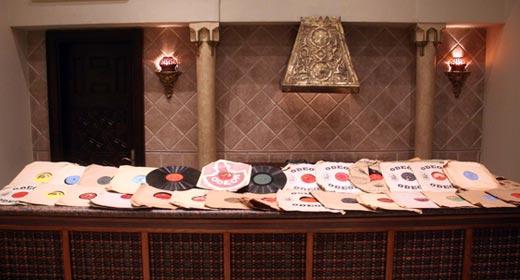
Egypt’s old records: Obsessive collecting and squandered heritage
Antique dealers, second-hand markets, auction showrooms, music lovers, music historians, amateurs and the rich are cornerstones of the wondrous world of vintage vinyl records. The rich history of oriental music…
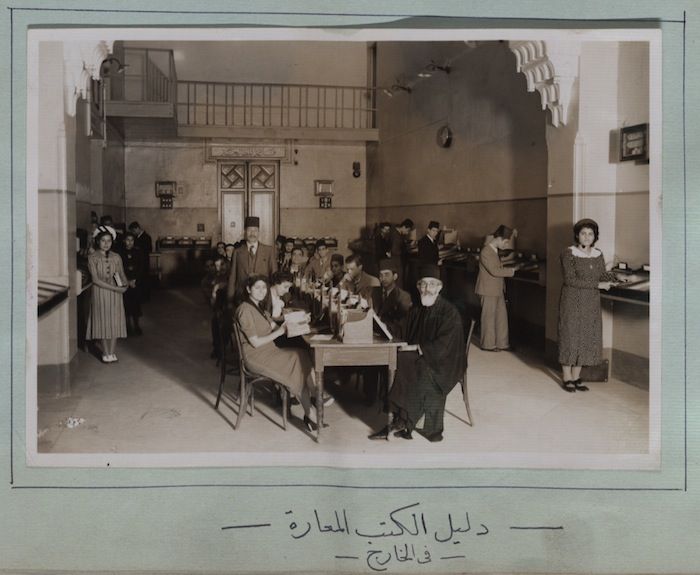
The past and future of the bomb-damaged manuscript museum
Early on January 24, 2014, a bomb exploded in front of the Cairo Security Directorate, just across the street from a neo-Mamluk building which many know as the Museum of Islamic Art.…
No liaison between antiquities and culture ministries to renovate adjacent museums
Minister of Antiquities Mohamed Ibrahim and the chairman of the Egyptian National Archives Abdel Nasser Hassan held simultaneous press conferences on Sunday under the…
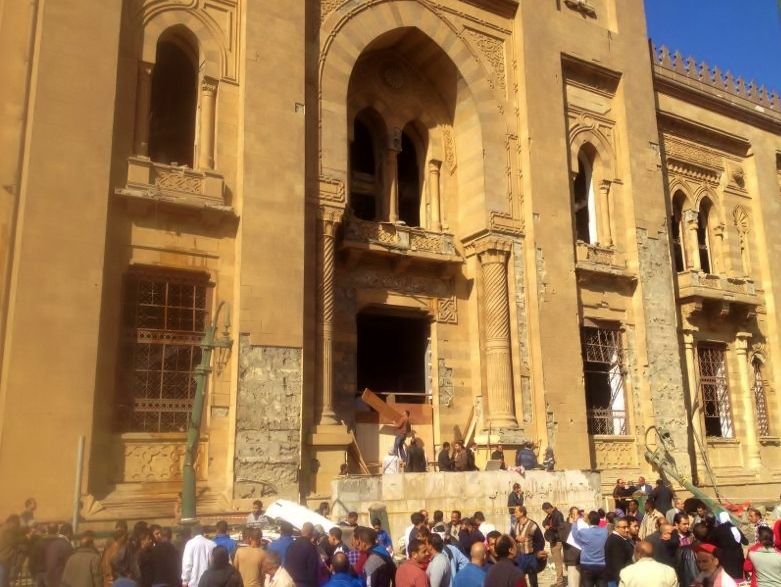
In Photos: Abdeen blast aftermath
An early morning bombing outside the Cairo Security Directorate building shook the capital's Abdeen neighborhood on Friday, killing four and injuring dozens more, according to the government. Large crowds gathered at the…
Your support is the only way to ensure independent, progressive journalism survives.
You have a right to access accurate information, be stimulated by innovative and nuanced reporting, and be moved by compelling storytelling. Subscribe now to become part of the growing community of members who help us maintain our editorial independence.
Join us