
Interior Ministry addresses forced disappearances amid growing criticism

The Interior Ministry sent a report to the National Council for Human Rights (NCHR) on Saturday in response to the group’s investigation into the forced disappearance of 101 people, according to state-owned newspaper Al-Ahram.
The ministry’s move is a continuation of its damage-control efforts in the wake of mounting allegations of forced disappearance, compounded by several cases of torture and death in police custody toward the end of 2015, prompting a wave of anger and protests.
In the report, the ministry asserts that its strategy in dealing with policing and security issues is based on respect for human rights.
However, George Ishak, a member of the NCHR, told Mada Masr that the ministry’s report contains no details on the cases mentioned, saying it is irrelevant to the council’s efforts to locate the victims of forced disappearance.
According to Ishak, the NCHR has been documenting cases of forced disappearance and is preparing a comprehensive report for submission to the Interior Ministry and the Prosecution.
Despite the ministry’s claims, Ishak said that it has not been cooperating with the council, although it recently held a meeting with the head of the NCHR, Mohamed Fayek, after which relations began to improve.
Fayek met with Interior Minister Magdy Abdel Ghaffar last week and raised the issues of forced disappearance and the poor conditions of prisoners.
In other signs of good faith, the families of prisoners in Aqrab Prison reported being allowed to visit their loved ones starting last month, having been prevented from visiting for several months.
On Sunday, journalist Mohamed Aboul Gheit reported on his Facebook page that his wife’s family was able to visit her detained father and that there had been considerable progress in visitation conditions. The visit lasted 20 minutes instead of the usual three minutes, and the officers allowed the families direct contact with the prisoners, rather than them being separated by glass. Prisoners were also allowed to accept all the food and clothes that the families had brought.
Last month, the ministry released 52 civilians who had disappeared and turned out to be in Azouly Prison.
Security expert Ali al-Raggal says that the current actions by the ministry come in the context of its efforts to repair its image since 2011. However he doubts that it will lead to any real change in the ministry’s practices.
“The restructuring of the interior ministry is not an issue of image. It necessitates the restructuring of the whole regime, because 90 percent of the ruling power comes from within the ministry,” he said.
The regime would not be able to take on the Interior Ministry due to its vast power, Raggal said. However, the severity of the ministry’s recent violations and the strong backlash against them has led the ruling circle and supporters of the state to acknowledge that there is a serious issue at stake, forcing the ministry to take some reparatory action.

أخبار ذات صلة
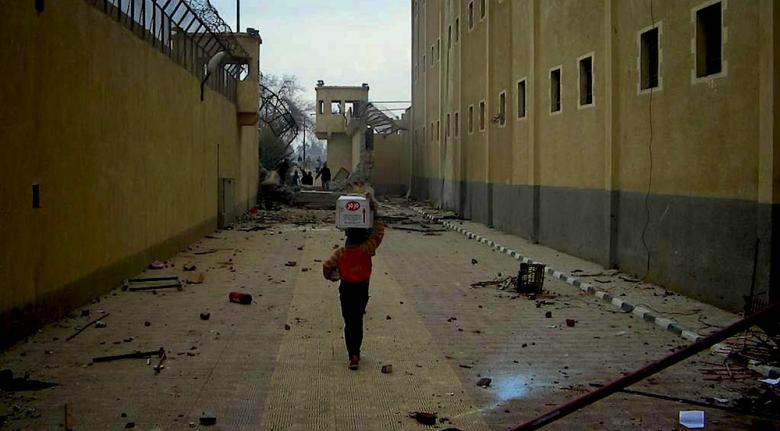
Tora prisoners stage collective protest due to unprecedented clampdown
A source told Mada Masr that the campaign is linked to the killing of four police officers.
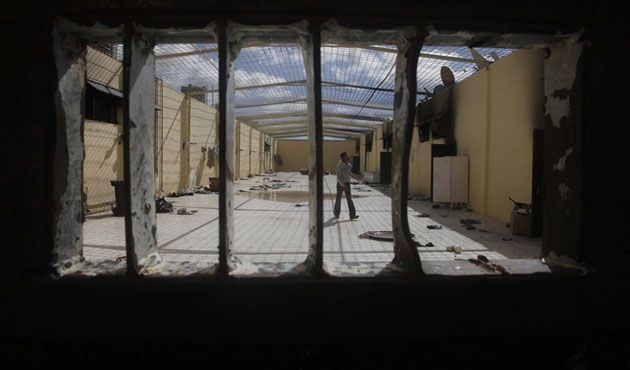
Thinking with Alaa
"When I demand my right to read and write, I am not asking for a luxury."
Public Prosecution inspection team finds conditions in Tora ‘adequate’ despite widespread prisoner accounts of abuse, medical negligence
"The Public Prosecution’s brief statement made no mention of the widespread accounts of abuse."
Alaa Abd El Fattah and his lawyer recount humiliation and beatings in maximum-security prison
An officer told Alaa that he hates the revolution and that prison is made to ‘teach people like him'
Your support is the only way to ensure independent, progressive journalism survives.
You have a right to access accurate information, be stimulated by innovative and nuanced reporting, and be moved by compelling storytelling. Subscribe now to become part of the growing community of members who help us maintain our editorial independence.
Join us