
In ‘great diplomatic success,’ Germany returns ancient mural painting to Egypt
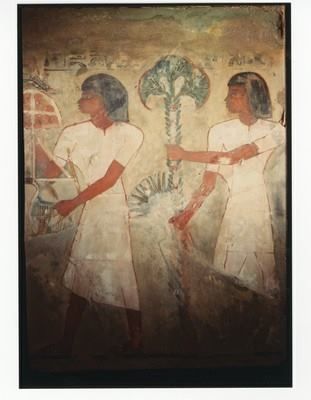
Germany is returning a 3,400-year-old artifact to Egypt that was stolen from the country sometime in the last century, the Ministry of Antiquities announced on Tuesday.
The artifact in question, a fragment of a mural painting, dates from the reign of Pharaoh Thuthmose IV, who ruled Egypt in the 14th century BC. The fragment was reportedly cut out from the walls of the Sobek Hotep cemetery in Thebes — modern-day Luxor — and then smuggled to Germany.
Measuring 30 cm by 40 cm and depicting subjects presenting royal offerings, the painting was on display at the Rheinische Fridrich-Wilhelms University in Bonn for three weeks until it was spotted by an employee of Egypt’s Artifacts Recovery Unit, according to the Antiquity Ministry’s Facebook page.
Officials from this unit are reported to have met with the German couple who acquired the piece and placed it on display. When the couple was informed that it had been illegally smuggled out of Egypt, they reportedly agreed to hand over the ancient artifact.
The ministry’s page said that the artifact was transported to the Egyptian Embassy in Berlin in mid-July, and is being handed over to the Foreign Ministry’s Cultural Relations Administration in Cairo. From there, it is due to be put on display at the Egyptian Museum in downtown Cairo’s Tahrir Square.
The ministry’s page described the recovery effort as “a great diplomatic success.”

أخبار ذات صلة
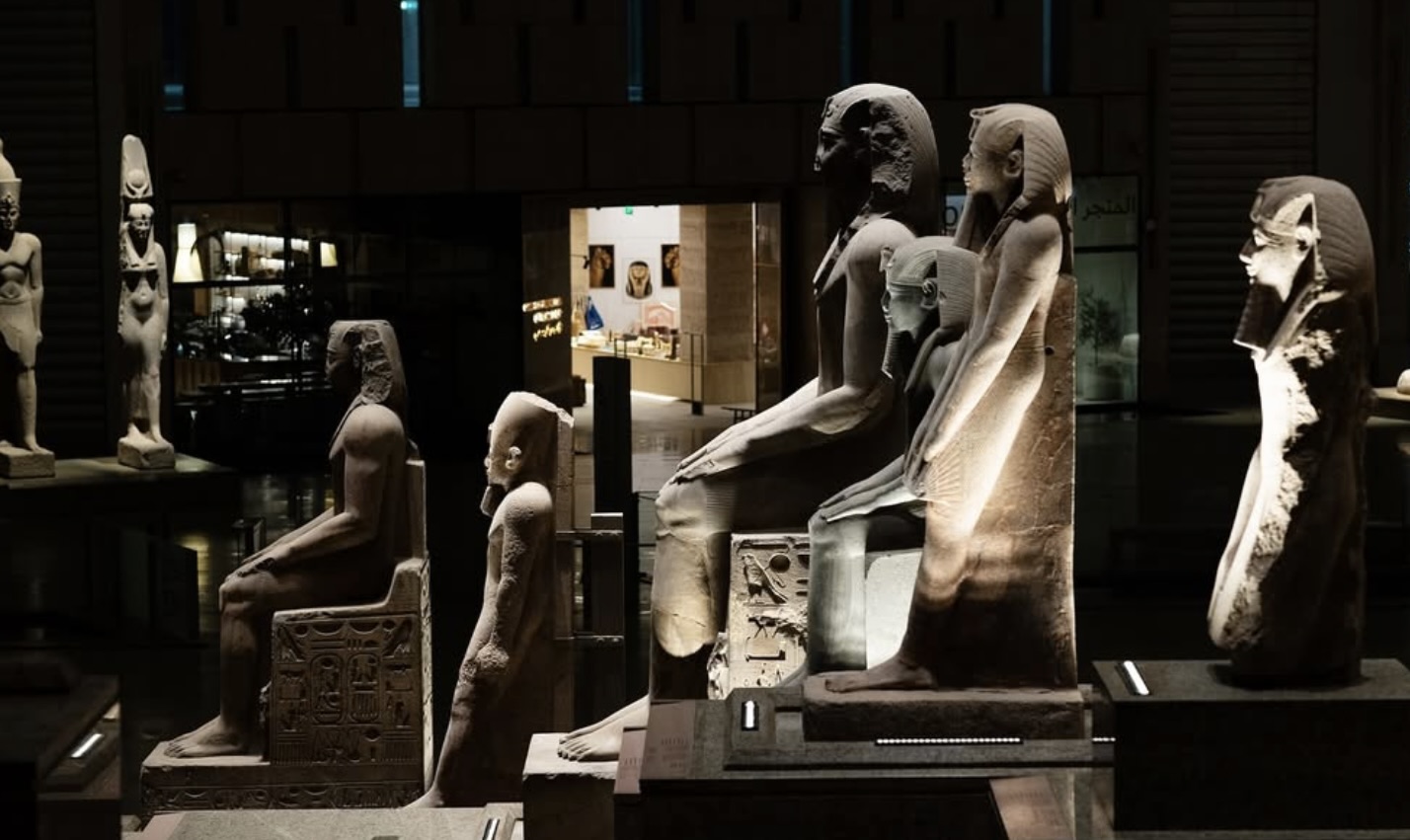
All around the Grand Egyptian Museum
The museum will not be open to visitors until after the three-day celebration
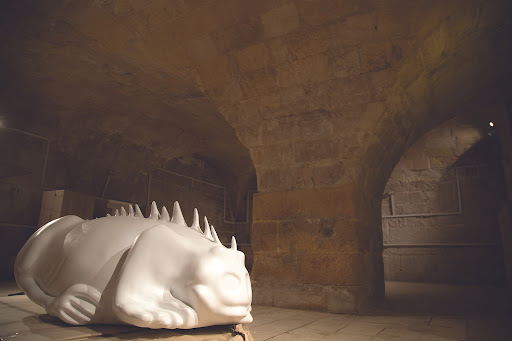
Forever is now, on the art of Art D’Égypte
A new contemporary art scene dominated by public and private stakeholders is emerging
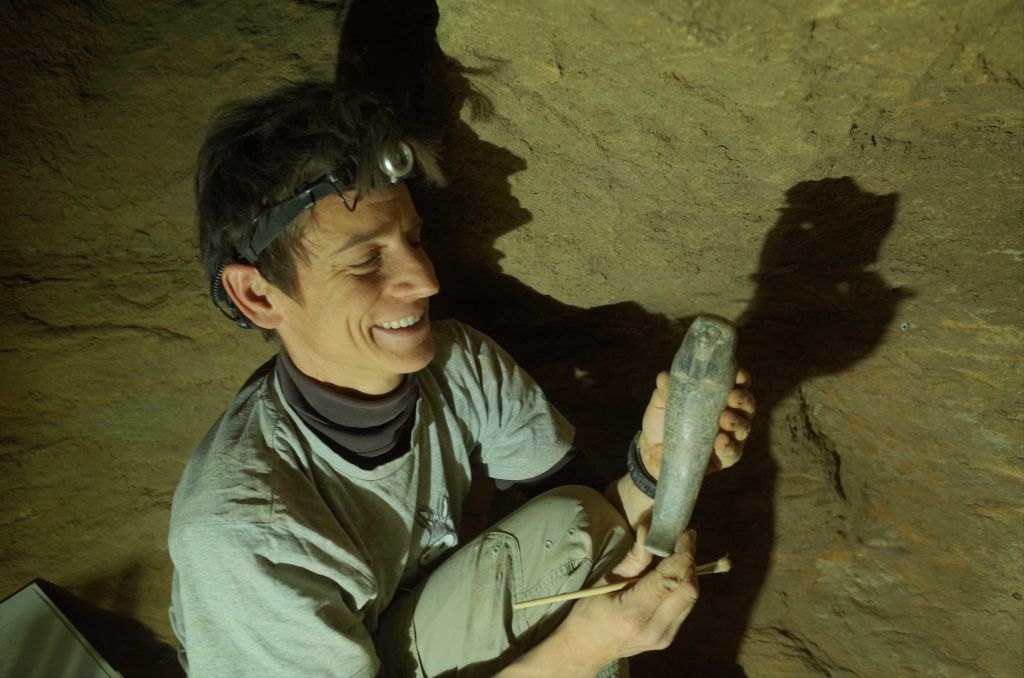
Ancient Egyptian gold workers’ tomb excavated on island in Sudan
An ancient tomb reported to contain the mummified remains of at least 12 Egyptian gold workers has been excavated in Sudan
Archaeologists discover 2,000-year-old mausoleum in Alexandria
A 2,000-year-old mausoleum containing approximately 300 artifacts was unearthed by a team of Egyptian archaeologists in Alexandria
Your support is the only way to ensure independent, progressive journalism survives.
You have a right to access accurate information, be stimulated by innovative and nuanced reporting, and be moved by compelling storytelling. Subscribe now to become part of the growing community of members who help us maintain our editorial independence.
Join us