
Imprisoned former Muslim Brotherhood leader speaks out on harsh prison conditions
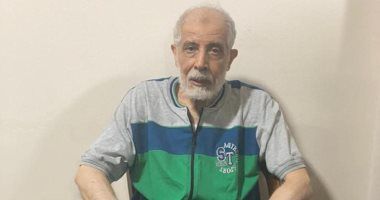
Mahmoud Ezzat, the former acting supreme guide of the Muslim Brotherhood, appeared in court on Monday last week for sessions in two of the multiple indictments for which he continues to stand trial.
He was held in a separate enclosure from the rest of the former Muslim Brotherhood defendants in court.
A few days later, footage leaked and circulated on social media showed Ezzat in court describing the conditions of his detention, including solitary confinement and the prohibition of lawyer and family visits, which a lawyer acting on behalf of Ezzat confirmed to Mada Masr.
The conditions could amount to legal infractions that lawyers and rights workers say are often practiced against detainees identified as representing political opposition.
Ezzat, 77, who was appointed to head the Muslim Brotherhood upon the arrest of Mohamed Badie in 2013, spent the following seven years in hiding, during which at least four sentences, two of them death sentences, were issued against him in absentia.
He was arrested at an apartment in Cairo’s Fifth Settlement neighborhood in August 2020 and has been held in detention ever since, with court proceedings ongoing to readjudicate the sentences he was issued in absentia.
On December 20, Ezzat attended court sessions at which one of his death sentences, on charges of espionage for Hamas, was commuted to life imprisonment in a ruling still subject to appeal, and where statements from the prosecution were read in a trial on separate charges.
Ezzat’s lawyer, who spoke on the condition of anonymity, told Mada Masr that the footage that began to circulate on social media after the sessions were captured during the latter session presided over by an emergency state security court, during which Ezzat, Badie and 77 other former Muslim Brotherhood leadership figures were charged with funding and participating in violent acts in 2013.
During the session, the judge permitted Ezzat, Badie, Amr Zaki and others to address the court, with all complaining about conditions in detention, said the lawyer. The defendants were held in a glass enclosure within the court, making their complaints inaudible to those who attended the session.
But in the three-minute clip that was published on social media, Ezzat can be heard detailing complaints about court procedure and his treatment by detention, security and judicial authorities.
Ezzat said that most of the prosecution’s arguments were inaudible to him during the court session and that he was not given sufficient time to read documents detailing the suit against him, which were only given to him for a few minutes before being taken away.
“My cell door is opened for mere seconds when they bring me food. Sometimes they don't bother to open it and throw the food at me from a slot in the door,” Ezzat continued, describing the conditions of his solitary confinement, as well as how he is transported to court and taken back to prison blindfolded.
Ezzat said he has not been permitted to see his lawyers in order for them to present statements on his behalf to the judge, and demanded to be allowed to meet with them. The lawyer who spoke to Mada Masr confirmed that neither they, other lawyers, nor family members have been permitted to visit Ezzat for over a year. The lawyer only attended a session in which the State Security Prosecution interrogated Ezzat after his August 2020 arrest.
The Interior Ministry issued a brief statement on Saturday denying that Ezzat is being mistreated and claiming he sought only to distract the court from his charges.
The court has responded to the request for a visit, according to the lawyer, deciding to allow Ezzat and the other defendants in the case to receive a visit from their lawyers, though at the time of publication, the Public Prosecution was yet to notify lawyers of when they will be permitted to visit their clients.
Ezzat is under security restrictions both within prison and in court to isolate him and prevent any communication with him, said the lawyer.
The lawyer noted that during the previous court sessions in November and December, Badie was also subjected to similar treatment, complaining about being blindfolded on his way to and from the court.
Cairo Institute For Human Rights Studies director Mohamed Zaree told Mada Masr that Ezzat’s prison conditions are not unique, but rather an example of violations suffered by hundreds of other prisoners, especially those who are opposition-oriented.
Zaree said that the treatment described by Ezzat and Badie, while a violation of legal stipulations about detention conditions, amounts to a state policy that “seeks to demonstrate in practice the danger of working in the public sphere.”
If Ezzat has truly been kept in solitary confinement for over a year, according to Egyptian Initiative for Personal Rights lawyer Marian Sidhoum, the treatment is classified in international conventions as “inhumane” punishment. Sidhoum said that the conditions could also amount to an infraction against Egyptian law, but that at present there is no mechanism to ensure oversight or accountability regarding how prisoners are treated.
The Egyptian law on prisons specifies that solitary confinement can be used for a maximum of six months, an upper limit that was only defined in 2017, erasing an earlier stipulation that limited solitary detention to just 15 days.

أخبار ذات صلة

Belqas protestors clash with police after torture kills detainee, lawyer says
Following 21-year-old Ayman Sabry’s death in police custody, footage published on social media showed clashes taking place on Sunday night between residents…
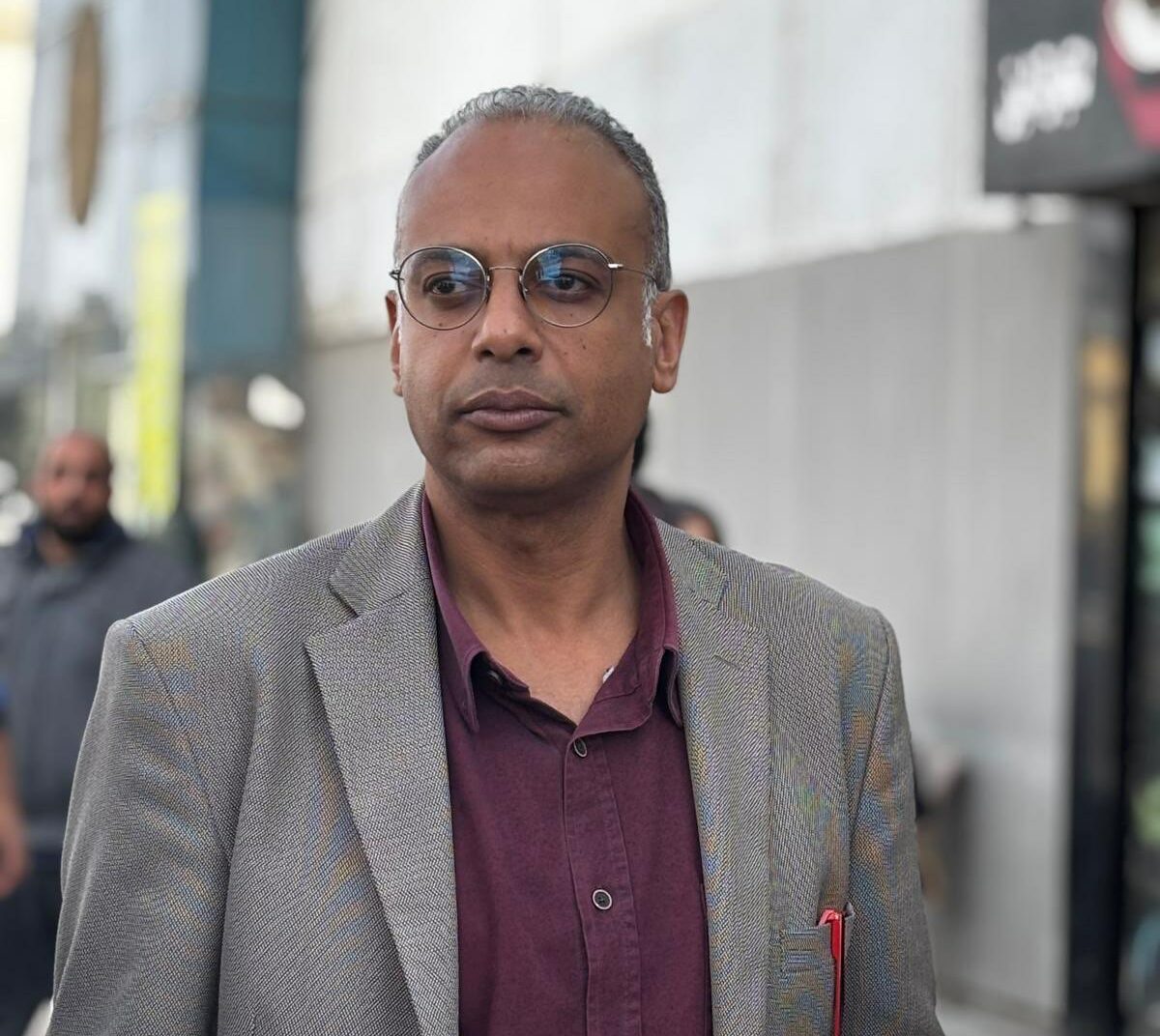
Authorities interrogated Hossam Bahgat after EIPR report on prison hunger strike, says lawyer
The Supreme State Security Prosecution released Hossam Bahgat, director of the Egyptian Initiative for Personal Rights (EIPR), from its headquarters on Sunday…
For publishing footage alleging to show torture, nine sentenced to life by terrorism court
The Public Prosecution announced that its investigations determined that the video was “staged.”
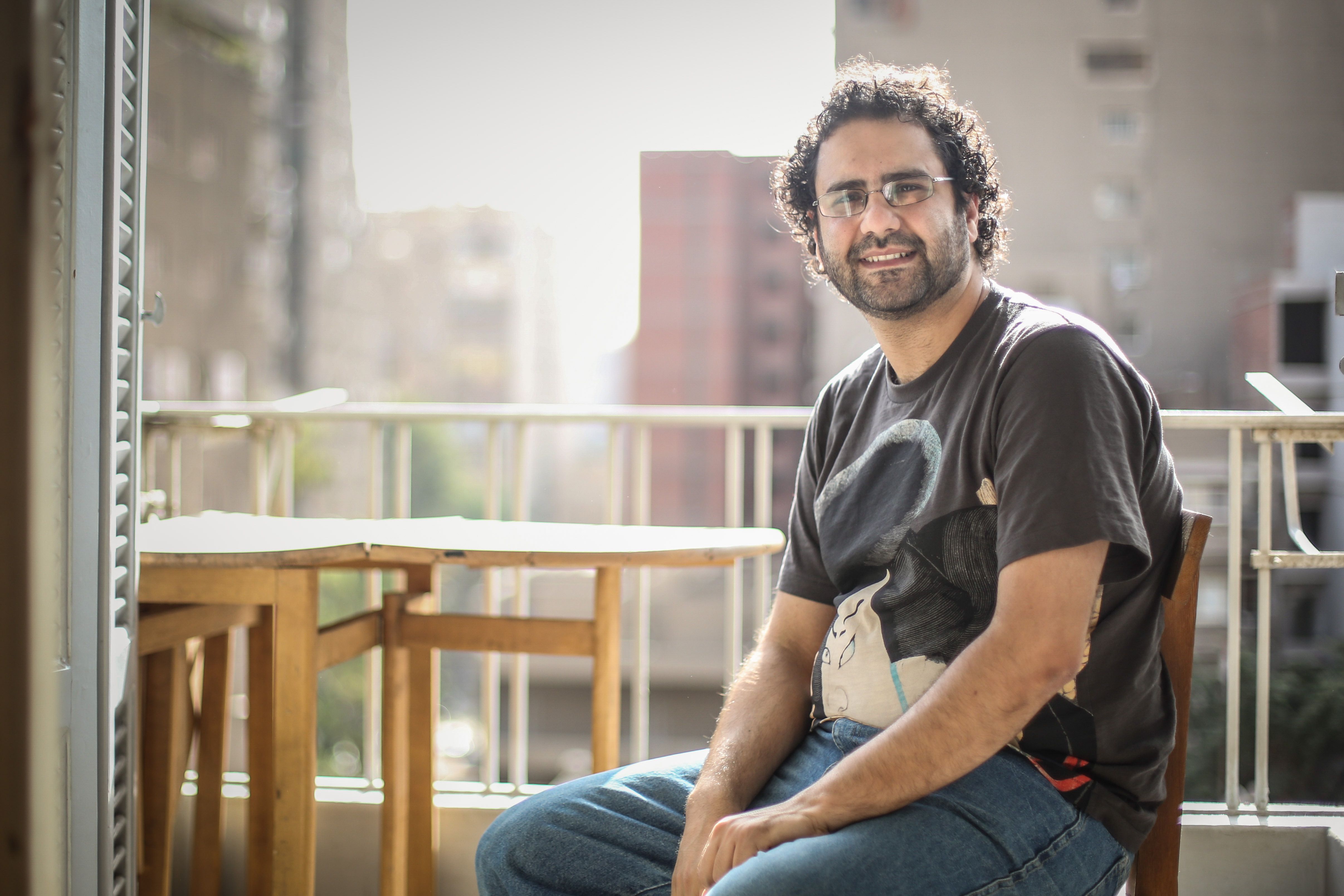
British PM affirms commitment to Abd El Fattah’s release as activist begins water strike
The activist and writer has been in prison for the majority of the past nine years
Your support is the only way to ensure independent, progressive journalism survives.
You have a right to access accurate information, be stimulated by innovative and nuanced reporting, and be moved by compelling storytelling. Subscribe now to become part of the growing community of members who help us maintain our editorial independence.
Join us