
IMF cuts growth predictions for 2014/15
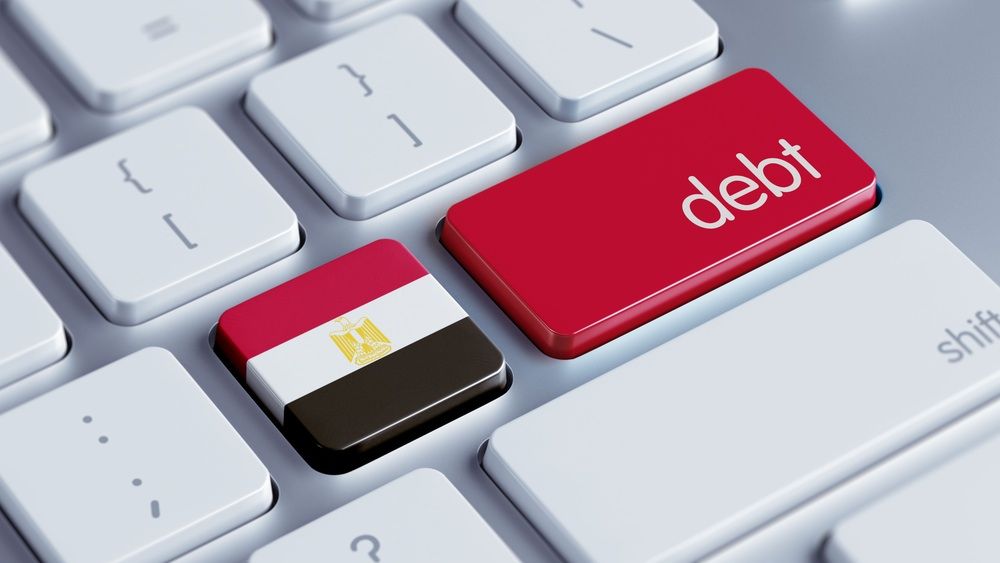
The International Monetary Fund cut its forecast for Egypt’s 2014/15 economic growth to 3.5 percent, down from the 4.1 percent it forecast in April.
In its October World Economic Outlook report, the IMF attributes the changed forecast to declining tourist numbers, energy shortages and ongoing macroeconomic challenges.
“Despite two stimulus packages of a combined 3 percent of GDP, both real GDP and private investment growth have been weak due to a further fall in tourism receipts, a decline in energy production, and frequent power outages. The unemployment rate has inched up again to reach 13.4 percent in 2013/14, while inflation has remained in double digits and the poverty rate has increased to 26.3 percent,” the report says.
Although the new estimate is lower than previous forecasts, the IMF does predict higher growth for this year than for 2013/14, which the IMF put at 2.2 percent. Its current predictions for the 2014/15 fiscal year are based on both the presidential election and GCC financial aid stabilizing growth and restoring confidence.
The IMF’s relatively pessimistic assessment comes despite encouraging news from other quarters.
State statistics agency CAPMAS announced Tuesday that August tourism arrivals grew by 76.7 percent in August, reaching 997,000 visitors compared to 564,000 in the same month last year. This follows improvements in July, which saw a 15 percent year-on-year increase in arrivals, although revenue is still lagging.
Last week, credit rating firm Moody’s changed its outlook on Egypt's government bond rating to stable from negative. Although still far below investment grade at Caa1, the adjustment in outlook reflects the company’s “expectations of an improving fiscal and economic environment, building on a number of developments over the past year that reduce downside risks to the rating,” according to a company statement.
In an October 27 announcement, Moody’s notes that the government has launched several fiscal and economic reforms over the past year, including restructuring fuel subsidies and working on revenue-enhancing measures such at a value added tax.
Moody’s noted that “Although security risks have receded, threats from militants based in the Sinai Peninsula remain,” indicating that the report may have been prepared before the October 24 attacks that left at least 31 security personnel dead in North Sinai.
The attack, and the subsequent imposition of a state of emergency in the governorate, could have an impact on tourist arrivals and the global perception of investor risk in Egypt, as well as the country’s overall economic outlook.
أخبار ذات صلة
Govt weighs higher fertilizer export quota to offset rising fuel costs amid Iran war
The government is holding consultations to increase the price of gas it supplies to fertilizer manufacturers — the single largest energy-consuming industry in…

How is the government preparing for the summer energy deficit?
Just before daily temperatures in Cairo peaked 30 °C in the middle of winter, the president met with the electricity and renewable…

Israel finally approves Egypt’s gas deal after nail-biting battle
In an unexpected move, Israeli Prime Minister Benjamin Netanyahu announced on Wednesday Israel’s final approval of a controversial gas export deal with Egypt, months after Israeli hesitation following the initial…
Egypt to boost fertilizer exports to offset planned slash to industrial energy subsidies
The government will raise natural gas prices for industrial use in Egypt in the coming weeks by around US$1-2 per million British…
Your support is the only way to ensure independent, progressive journalism survives.
You have a right to access accurate information, be stimulated by innovative and nuanced reporting, and be moved by compelling storytelling. Subscribe now to become part of the growing community of members who help us maintain our editorial independence.
Join us