
IMF concludes Cairo visit without concluding review, noting ‘fiscal pressure’ of refugees, geopolitical tensions

The International Monetary Fund’s (IMF) Egypt Mission Chief Ivanna Hollar announced on Wednesday the conclusion of two weeks of discussion in Cairo.
According to the IMF’s statement, Egypt and the fund’s staff made “substantial progress in policy discussions.”
So far, however, there was no mention of reaching a staff-level agreement on whether Egypt passed the review.
Completing the fourth review is critical for Egypt to access a US$1.3 billion tranche from its ongoing loan program with the IMF, as the country faces mounting foreign dues estimated at around $11 billion over the next two months.
Talks are set to continue in the coming days on the policies and reforms required to complete the fourth review under the Extended Fund Facility program.
Hollar highlighted the economic impact of “ongoing multiple geopolitical tensions in the region,” noting substantial declines, up to 70 percent, in Suez Canal revenues. The IMF statement also, for the first time, pointed to the strain placed on public services, especially healthcare and education, by the rising number of refugees.
Acknowledging that Egypt has undertaken monetary tightening to curb the pace of inflation, the IMF noted that the government’s recent hikes in the prices of certain services and goods, including fuel and electricity, “temporarily restrained” progress in inflation control.
The IMF stressed the need for greater efforts on several fronts. To boost domestic revenue, it called for reforming tax policies by broadening the tax base by reducing exemptions instead of raising tax rates, to generate the necessary funding for healthcare, education and social safety nets.
It also encouraged Egyptian authorities to accelerate plans to divest from state-owned assets through leasing or sales, and to move forward with reducing “the state footprint in the economy.”
“Promoting private sector development as the main engine of future growth is key to ensure sustained macroeconomic stability, create jobs and unlock Egypt’s economic potential for the benefit of all Egyptians,” the statement said.
Unlike the most recent round of talks, the previous two reviews concluded with staff-level agreements being announced after the mission's visit to Cairo.
On Thursday, the Egyptian pound dropped in value against the dollar to reach LE50, the lowest valuation since March, when the government carried out a controlled devaluation that shaved around 60 percent of the pound’s exchange value.
The dollar continued to rise against the pound across October and November, with exchange rates fluctuating by around 3.5 percent. This comes amid ongoing discussions between Egypt and the IMF, which places a high priority on exchange rate flexibility.
In the lead up to the review, the government also took steps toward the stock market debut of the publicly owned United Bank, one of the state assets on a privatization program the government has been slow to implement amid stumbling talks with potential investors.

أخبار ذات صلة
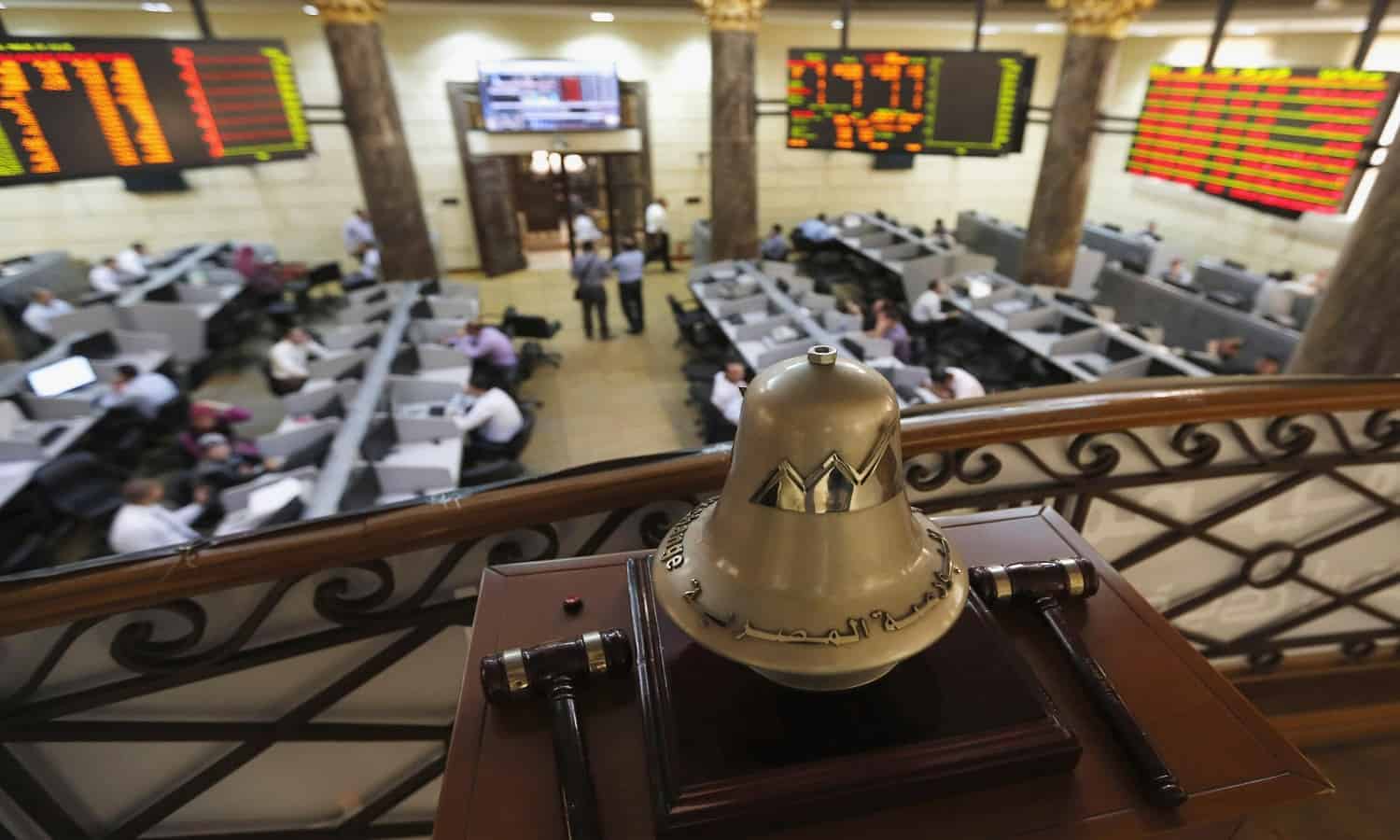
Sources: Despite EGX listings, govt unlikely to launch offerings in current economic conditions
The Cabinet announced on Tuesday evening that 10 state-owned companies had been temporarily listed on the Egyptian Exchange, one of several measures…
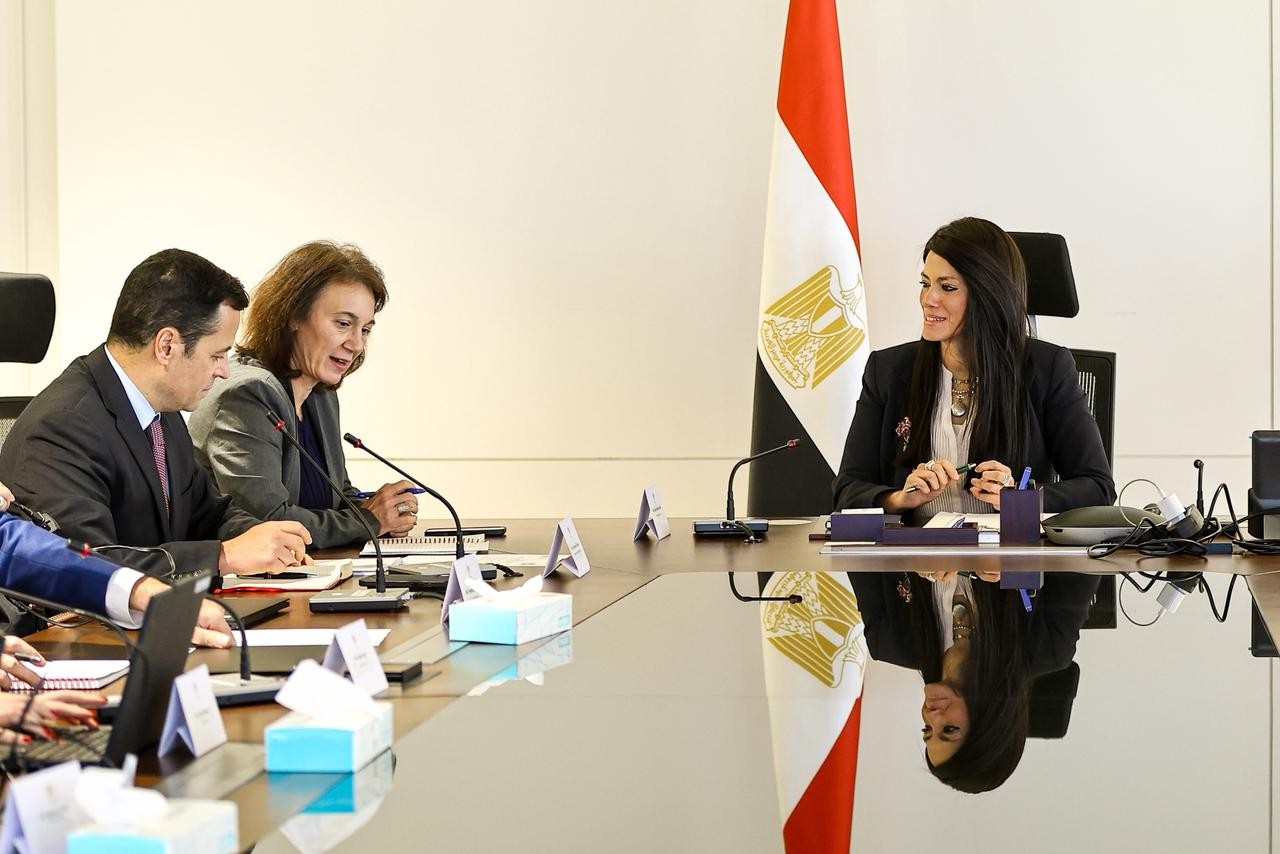
Egypt passes 5th, 6th IMF loan reviews, with fund easing tone of govt criticism
In a Tuesday statement, the International Monetary Fund announced that Egypt passed the fifth and sixth reviews as part of its ongoing…
IMF in Cairo to discuss privatization, over-reliance on short-term borrowing
A delegation from the International Monetary Fund touched down in Cairo on Monday to begin its final review of the US$8 billion…
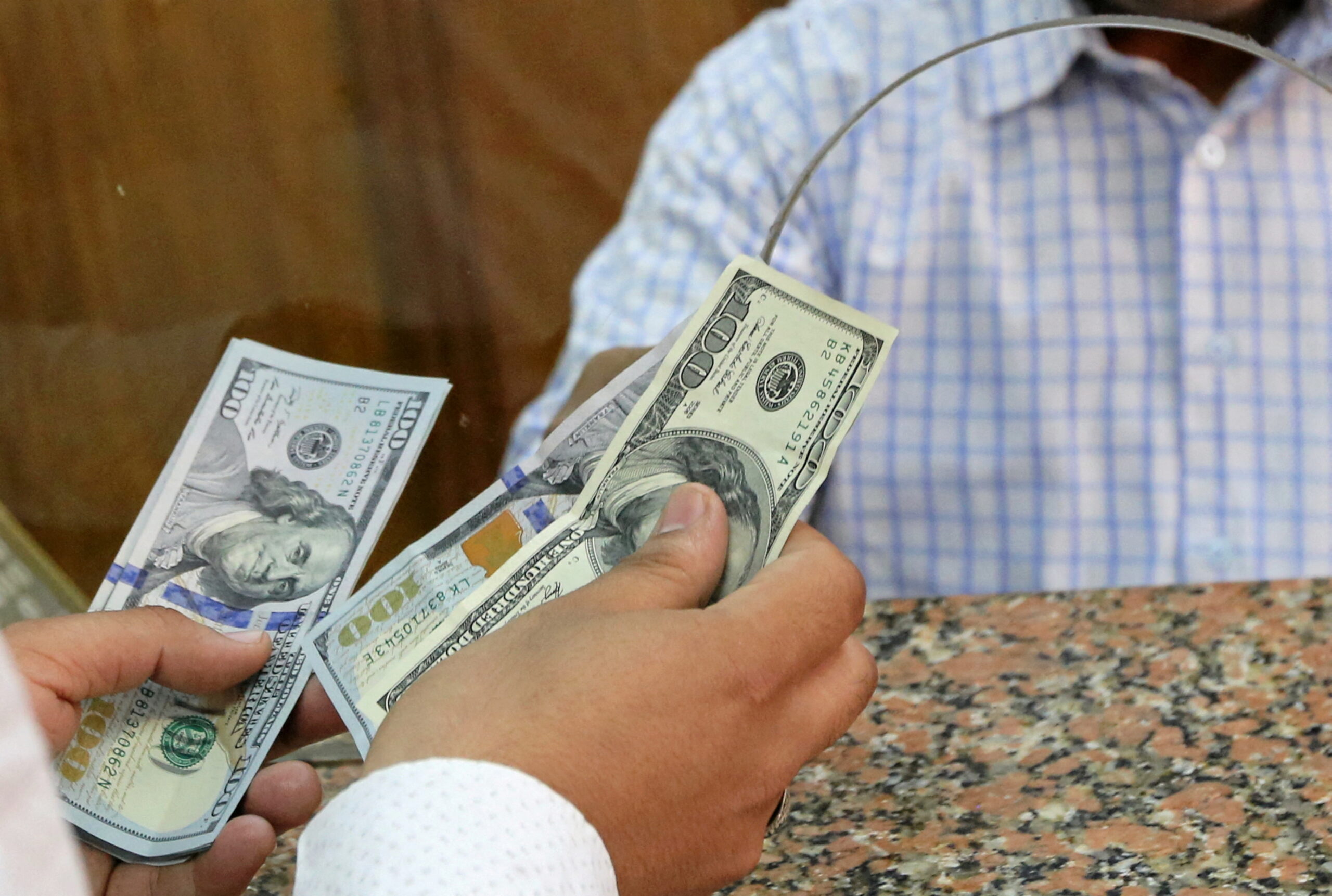
Hot money inflows boost Egyptian pound against the dollar
The Egyptian pound has appreciated against the United States dollar over recent days, reaching its highest exchange value since the beginning of…
Your support is the only way to ensure independent, progressive journalism survives.
You have a right to access accurate information, be stimulated by innovative and nuanced reporting, and be moved by compelling storytelling. Subscribe now to become part of the growing community of members who help us maintain our editorial independence.
Join us