
Human Rights Watch: Sectarian violence on the rise

Incidents of sectarian violence against the Coptic community have increased following the military-backed ouster of former President Mohamed Morsi, according to recent findings by Human Rights Watch. In a report released on Tuesday, the organization called for swift measures to be taken to prevent the “targeting” of Coptic individuals and questioned whether the authorities are currently capable of preventing such attacks.
The report contains numerous accounts of such attacks, including a particularly disturbing incident recorded on July 5 in the Luxor village of Nagaa Hasan, in which residents beat four Copts to death in their own home as supposed retaliation for the death of a Muslim man, found dead. The incident occurred while “a crowd of police officers and villagers surrounded the outside of the house.” Citing accounts from over 20 eyewitnesses, the report claims that the police officers on the scene did little to intervene in the 17-hour-long conflict, which, in addition to four casualties, left three Copts wounded and 110 Coptic-owned businesses raided, 24 of which were burned down.
Habib Nashi Habib, the owner of the house in which the attack took place, recounts the incident, claiming it was approximately 5 pm when 300 to 500 residents gathered outside his house in search for Habib’s cousin Emile who they blamed for the death of a Muslim man. A few hours later, the crowd began launching Molotov cocktails at his house before invading it.
“There must have been at least 50 of them in the house, and I watched as they attacked Mohareb [Habib’s brother]; they beat him on the head and body with steel pipes. I ran and hid in the sewage shaft, under the bathroom window, and realized my brother had been killed when I heard shouts of “there is no God but Allah.”
Habib also heard shouts from outside the house of “Let’s get this over with” in unfamiliar accents, the report reads. He also claims that, prior to the attack, police forces refused to respond to his pleas for assistance. “There were 13 women, seven men, and lots of children in the house, but the police only took the women and children and refused to provide any safety for the men.”
Police forces stress that they did in fact attempt to contain the violence, but were overwhelmed. In their report, HRW quotes an anonymous “high-ranking” officer who was present at the scene but claims he “did not know what to do.”
“Put yourself in my place,” the officer is quoted as saying in the report, “If I were to open fire on the crowd outside of the house, who would suffer, them or those trapped inside? Furthermore, as a police officer you cannot act unless you’ve been given a direct order to do so — what do you do if you haven’t been given the orders that would have granted you more options?”
Meanwhile, brigadier Khaled Mamdouh, head of Luxor security and presiding officer over the military units deployed in the area, attributes the violence to the “savagery” of the local residents, stressing that the incident “had nothing to do with sectarianism,” and that, if one were to “come back in a month and ask what happened here, everyone would answer ‘nothing at all.’”
“These sort of incidents are common here because the locals are stupid,” Mamdouh is quoted as saying in the report. “There was nothing in their actions that warranted police intervention — It is not our job to prevent the killing, only to investigate it afterwards.”
The four murdered men were later identified as Mohareb Nashi Habib, 38, Romani Nashi Habib, 36, Rasim Tawadros Akladios, 56, and Nassim Sarofim, 41.
An earlier incident saw supporters of former President Morsi respond to his ouster on July 3 by promptly looting and razing the Mary Girguis and Salam churches in Minya, approximately 240 kilometers south of the capital. Again, there was no police intervention in the clashes, which left eight wounded, and church officials claim that the authorities have yet to visit the scene.
The church’s priest, Ayoud Youssef, is quoted in the report, describing how “five minutes following the announcement of Morsi’s ouster…a group of approximately 500 individuals began attacking the three-storey building, chanting ‘Morsi is my president.’ They looted the building, they took everything from the nursery, the gift shop, and the library. They even stole the sewage pipes and water pumps and electric wires. They raided the building and then set fire to it.”
Residents have reported an exodus of sorts since the incident, explaining to HRW that they fear returning to their homes, even if only to check if they had been burned down or not.
North Sinai was also the scene of similar crimes on July 5, 6, and 11, where a total of three Copts — including a priest — were murdered, although the report states it is “unclear” whether the violence was provoked by sectarian tension.
Morsi’s supporters also responded to their leader’s removal by resorting to immediate sectarian violence in Marsa Matrouh, where they “set fire to the Virgin Mary church, as well as the security post outside it, and raided a police station and stole two police cars,” on July 3. Six days later, Morsi supporters attacked the Mar Mina church in Port Said.
Police forces managed an intervention on July 5 in Qena, using teargas to successfully prevent a gang of Morsi supporters from attacking a church and it parishioners.
In conclusion, “Egyptian security forces must practice the highest degrees of caution when facing sectarianism given current tensions and the highly-polarized political scene,” Nadim Houry, Human Rights Watch's deputy director of its Middle East and North Africa division explains in the report. “And it is up to religious figures and leaders to condemn this dangerous escalation of sectarian assaults.”

أخبار ذات صلة

The long and costly wait for a new personal status law
Bassant Soliman’s suicide triggered renewed public backlash against personal status laws in Egypt
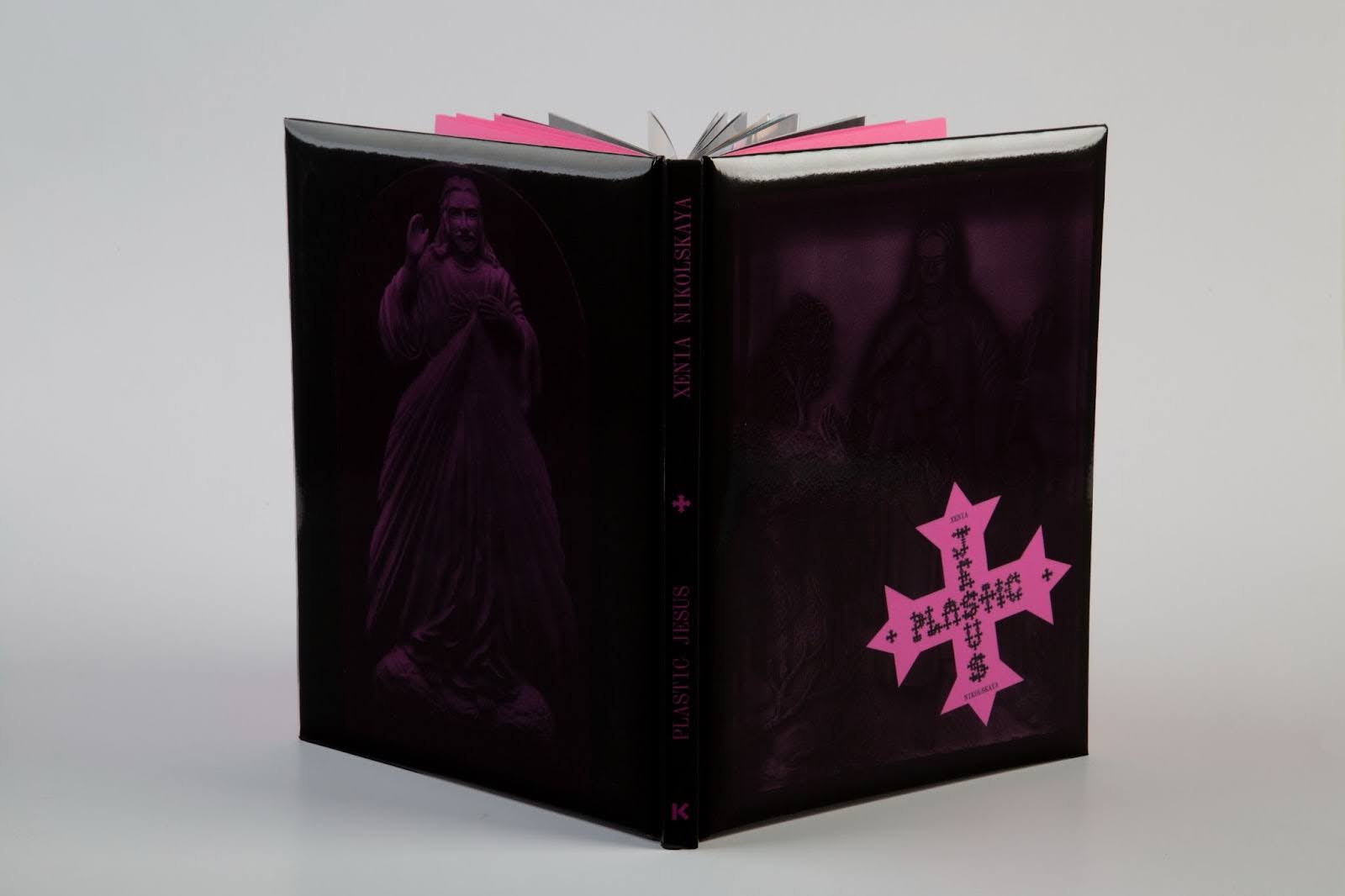
Plastic Jesus, real devotion
Xenia Nikolskaya’s latest photobook Plastic Jesus presents a selection of photographs of Coptic merchandise and architectural interiors from her trips across Egypt between 2003 and 2010. The hardcover book, designed…
Protests, arrests in Minya village point to longstanding discriminatory policies over church permits
Over two days in late January, dozens of Coptic Christian residents of the village of Ezbet Farag Allah in Minya staged a demonstration in front of the Diocese of Samalut…
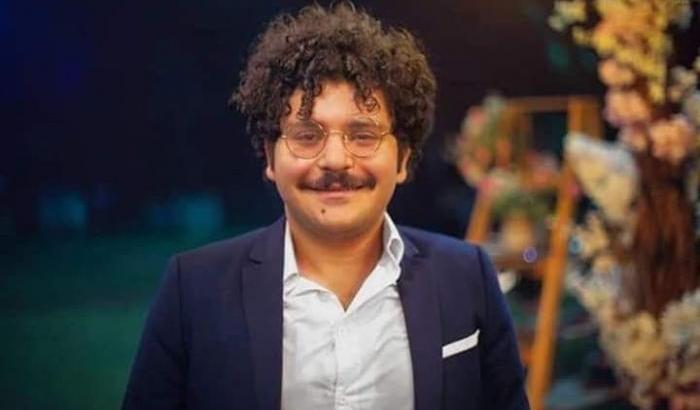
Patrick George Zaki gets release order from emergency court after 22 months in custody on false news charges
Zaki's emergency court trial was adjourned until February 1
Your support is the only way to ensure independent, progressive journalism survives.
You have a right to access accurate information, be stimulated by innovative and nuanced reporting, and be moved by compelling storytelling. Subscribe now to become part of the growing community of members who help us maintain our editorial independence.
Join us