
HRW: Over 800 civilians sent to military court since October

At least 820 civilians have been referred to military trial since October, when President Abdel Fattah al-Sisi approved a new law giving the Armed Forces more authority to protect public and state facilities, according to a recent Human Rights Watch (HRW) statement.
HRW said prosecutors used the law to “retroactively” send civilians to military tribunals if they were already under investigation for criminal charges or facing trial in civilian courts.
In October, Sisi issued a law giving the Armed Forces the mandate to refer any crimes committed against public facilities to military prosecution. For the next two years, certain “vital facilities” will be considered military property under the new law, including electrical towers and stations, gas pipelines, railroads, roads and bridges and others that are not specifically named.
HRW’s statement highlighted the trials of Muslim Brotherhood Supreme Guide Mohamed Badie and other group leaders, including Mohamed al-Beltagy and Essam al-Erian, who are being tried along with more than 300 others for inciting violence in Ismailia in August 2013. This month, their case was referred to military court.
One case implicating 40 purported Muslim Brotherhood supporters and another implicating 439 others charged with committing violent acts in 2013 were also referred to military court this month, according to HRW.
On November 11, Prosecutor General Hesham Barakat allegedly issued a ruling requiring prosecutors throughout the country to “compile and send any cases related to aforementioned crimes, at any stage [of investigation], to military prosecutors whenever asked to do so,” according to purported photocopies of the document circulated by the Egyptian Observatory for Rights and Freedoms on December 16.
“Curtailing the use of military courts to try civilians was one of the few tangible gains of the 2011 revolution, but that’s out the window now,” said Sarah Leah Whitson, HRW’s Middle East and North Africa director.
“Sisi’s administration is methodically reversing the reforms achieved in 2011, while the United States and other governments resume arming the government as if none of it matters,” she argued.
Experts have warned that the new law would expand the jurisdiction of military courts, and that it contradicts Article 204 in the Constitution, which limits the trial of civilians in military courts.
In a statement released last month, HRW also warned that the law risks militarizing the prosecution of protesters and other government opponents.
Whitson called on Sisi to repeal his October decree “before more damage is done if he has any concern for preserving Egypt’s reputation and the new constitution he has sworn to protect.”
She also urged him to annul all verdicts handed down to civilians by military courts since he took power and refer them to civilian courts.

أخبار ذات صلة
Human Rights Watch: Egyptian security forces carried out dozens of extrajudicial killings from 2015-2020
Egyptian security forces have killed dozens of people they allege to be terrorists in extrajudicial killings between January 2015 and December 2020,…

Public prosecution: HRW report documenting widespread torture ‘false’
Egypt’s Public Prosecution issued a statement on Wednesday refuting findings published in a Human Rights Watch (HRW) report that accused the National…
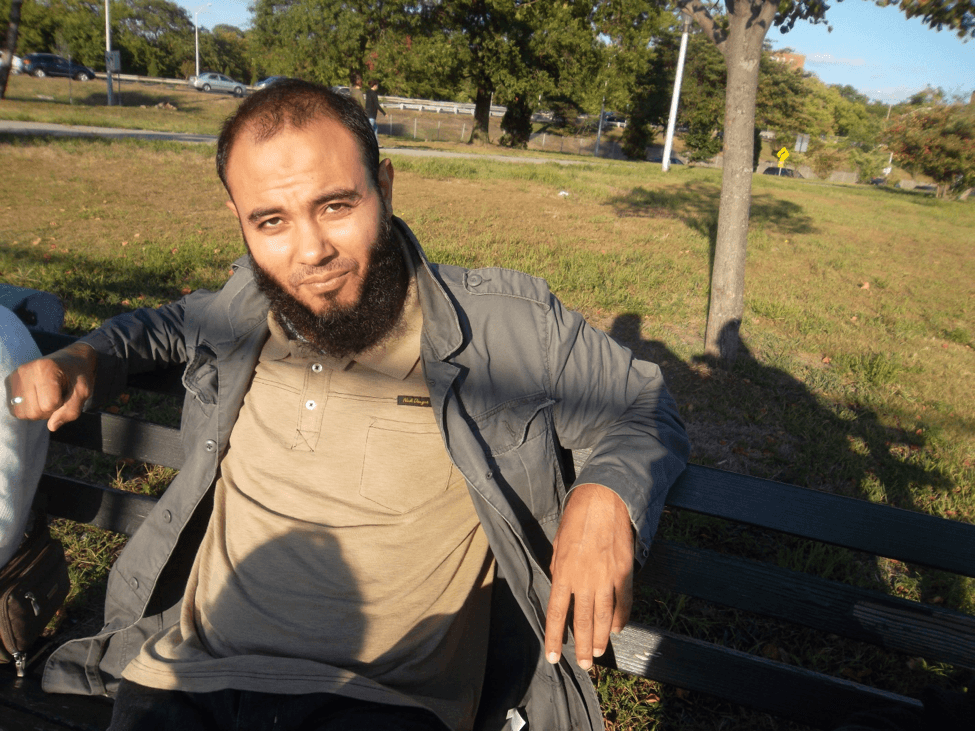
HRW report: Egyptian-American forcibly disappeared, tortured for 4 months before being brought before military prosecution
Khaled Hassan alleges being disappeared and tortured for months at the hands of Egyptian security

State Security Prosecution adds blogger Islam al-Refai, photojournalist Zeinab Abu Ouna to Case 441/2018
Refai was set to be released before lawyers were informed that he had been added to a separate case
Your support is the only way to ensure independent, progressive journalism survives.
You have a right to access accurate information, be stimulated by innovative and nuanced reporting, and be moved by compelling storytelling. Subscribe now to become part of the growing community of members who help us maintain our editorial independence.
Join us