
Govt boosts allocations to bakeries to support subsidized bread production

The Supply Ministry told bakeries on Sunday that it had increased its allocations to support their production costs for subsidized bread.
The decision, of which Mada Masr reviewed a copy, said that bread production costs were revised after last week’s government hike to the cost of fuel nationwide. Some categories of fuel were impacted by over 20 percent.
The price for the public will remain the same.
The Bakery Owners Division at Cairo Chamber of Commerce had proposed that the government boost subsidies for bakeries producing subsidized bread loaves to account for inflation pushing up the expense of production.
Prior to Sunday's decision, the amount the government pays to bakeries to support the production costs for subsidized bread had remained unchanged since 2020, according to Khaled Fikry, the general secretary of the chamber division.
Fikry noted that since 2020, the cost of production inputs for a loaf of bread, including the costs to procure yeast, salt, water, labor, electricity and rent, have significantly increased, and that the sector has struggled to keep up.
The government floated proposals to alter the retail cost of subsidized bread in 2021, but later retreated from the politically controversial step which would impact the roughly two-thirds of the population who are eligible for the subsidized bread.
Meanwhile, bakers are yet to decide whether they will move forward with a different proposal which would see a 10 percent hike to the price of commercially sold loaves.
On Sunday, Supply Minister Ali Meselhy said that “there is no need” to increase the price of commercially-sold loaves after last week’s fuel price increase, as flour costs have declined over the past months.
While prices spiraled upward at the outset of 2024, an inflow of foreign currency resources in recent weeks has smoothed out chronic disruption to imports, prompting speculation that inflation could also slow.
Khaled Sabry, spokesperson for the Bakery Owners Division, told Mada Masr that Meselhy’s comments are accurate in theory. The hike to the cost of diesel, which is used to operate bakeries, won’t increase the production cost per loaf by more than LE0.002 per loaf, he said. “A sack of 50 kg of flour produces 1,000 loaves, requiring 11 liters of diesel. The increase in diesel price would be LE20 per sack, meaning the increase in the price of a loaf is minimal.”
But he also said that the government does not have a direct role in determining the price of commercially sold loaves, and noted that transportation and living costs should also be considered as factors moving the industry proposal for a price hike.
“The trucks used to transport the flour will raise their quotes after the diesel increase, and the worker who used to pay LE5 for transportation now pays LE10. Also, food and household expenses have increased. So, the worker will demand a wage increase.”
Members of the division were due to meet to finalize a decision on an increase ranging from LE0.25 to LE0.50 for commercially sold loaves in recent days. But Sabry told Mada Masr the decision was postponed until after Ramadan.
After disruptions to the global wheat market due to Russia’s 2022 invasion of Ukraine, unsubsidized loaves of bread at licensed commercial bakeries were priced at fixed rates. Licensed commercial bakeries were required to keep prices stable as the Supply Ministry provided them with a regular quota of subsidized flour.
However, the ministry ceased supplying subsidized flour to commercial bakeries in late December of last year, Sabry previously told Mada Masr.

أخبار ذات صلة
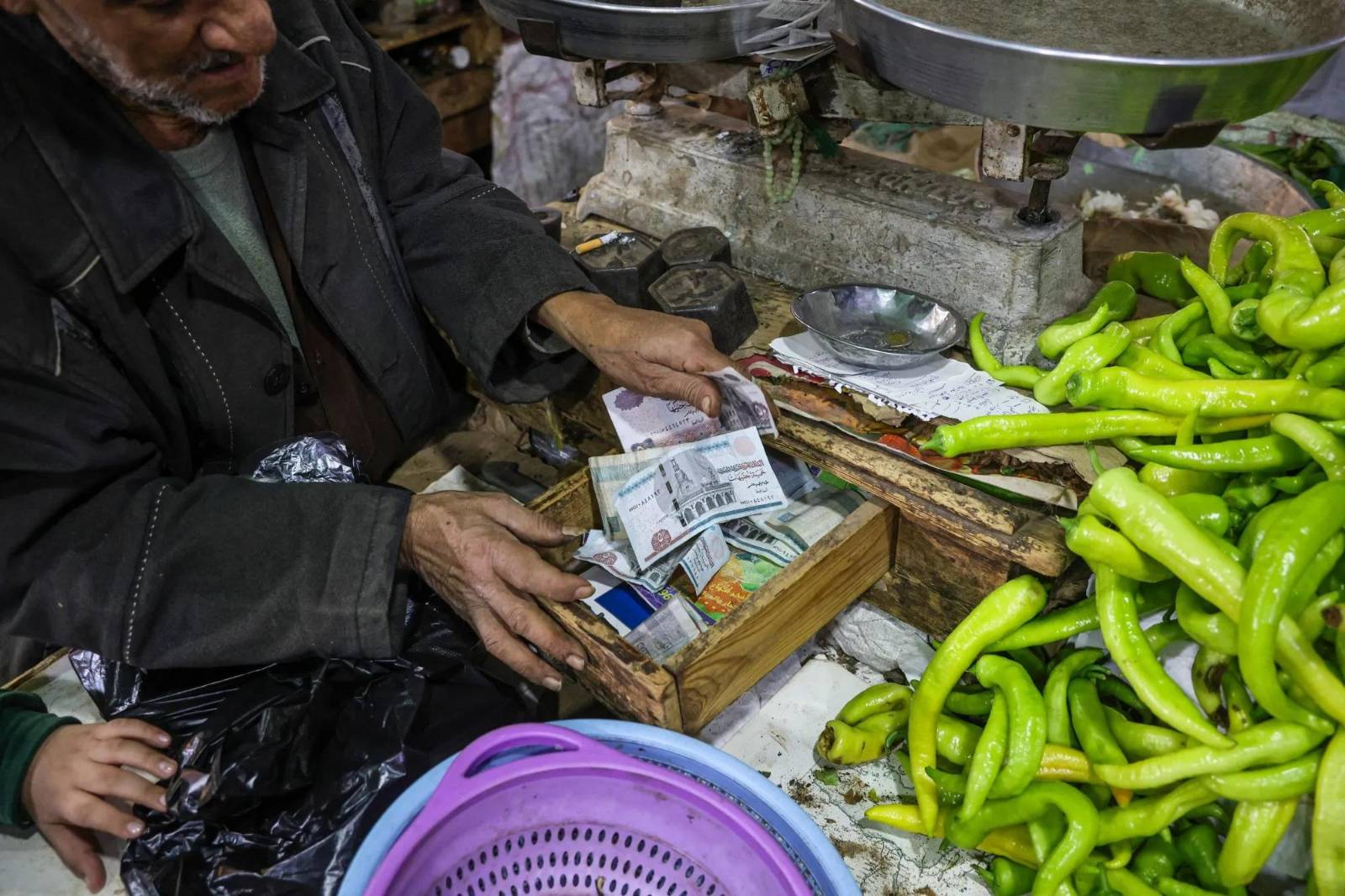
Brandishing the military trial stick: The govt’s price control bluff
Another wave of inflation is crashing in. On March 10, and for the third time in the course of a year, the government raised fuel prices again, justifying the decision…
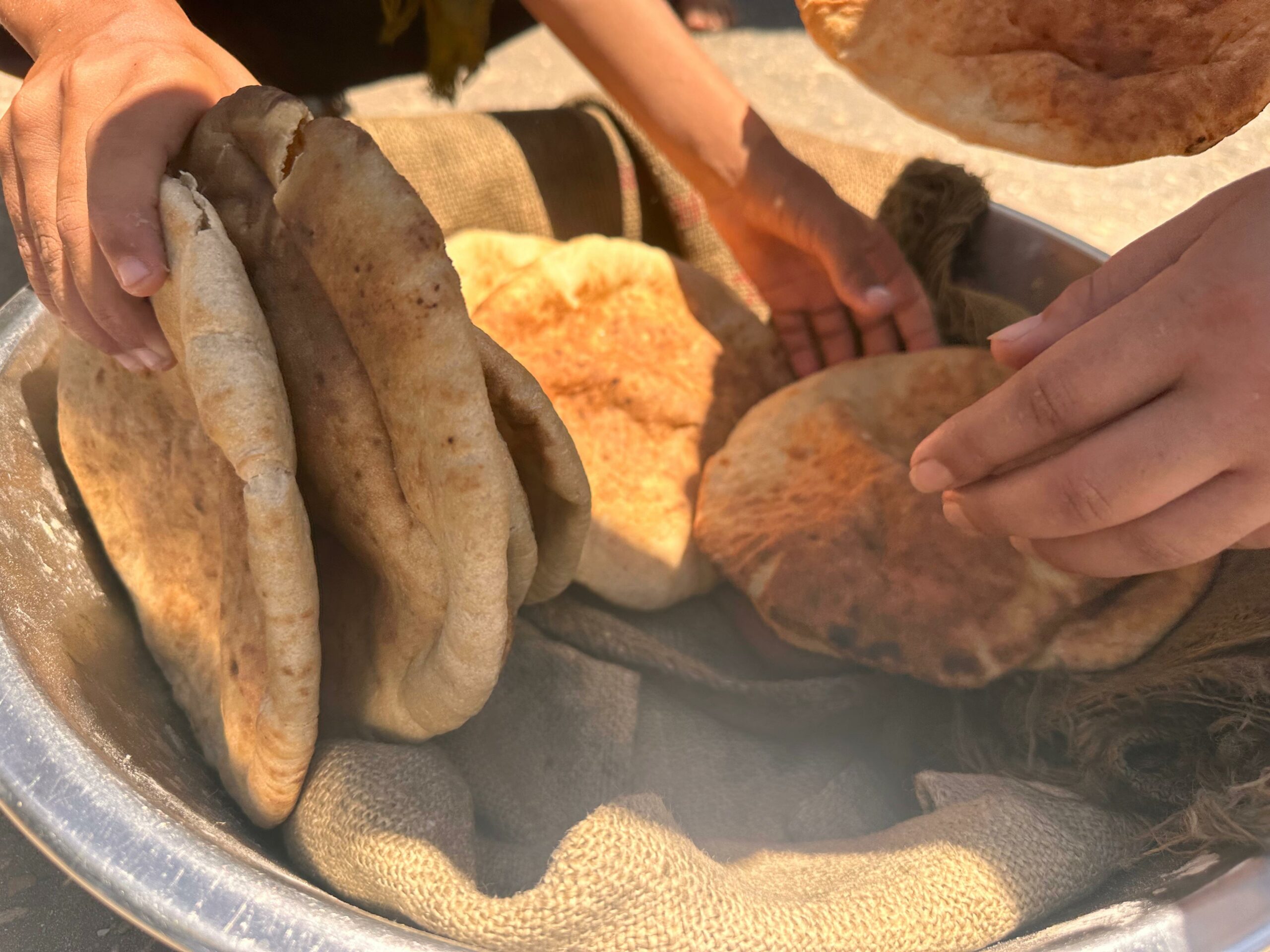
Egypt launches program to fortify subsidized bread against iron deficiency
A source in the Supply Ministry said that the fortified bread will be distributed in 13 governorates
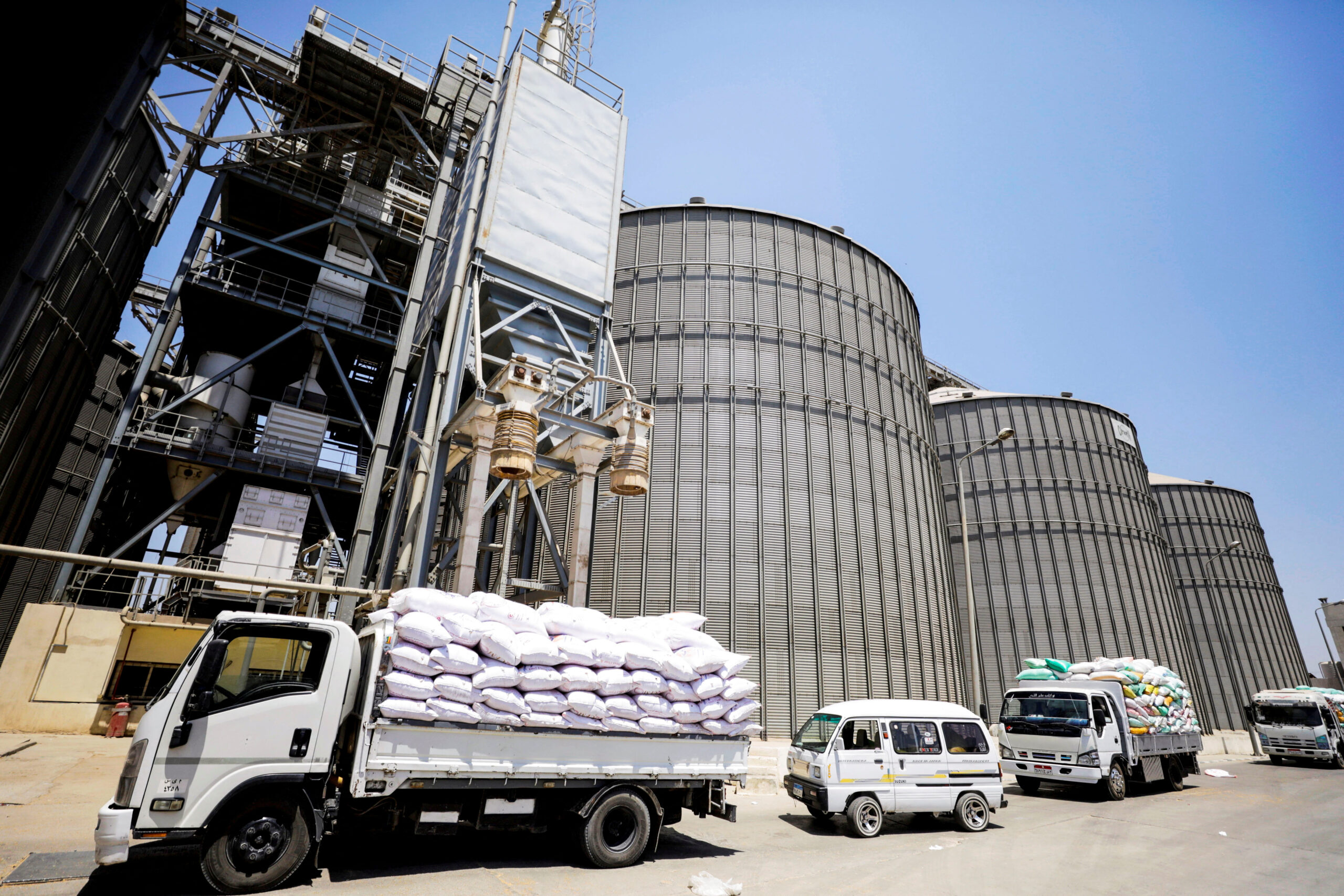
New player bids to import wheat for Egypt’s state silos
The Future of Egypt, a sustainable agriculture agency, announced on Wednesday that it had issued a tender to import 60,000 tons of…
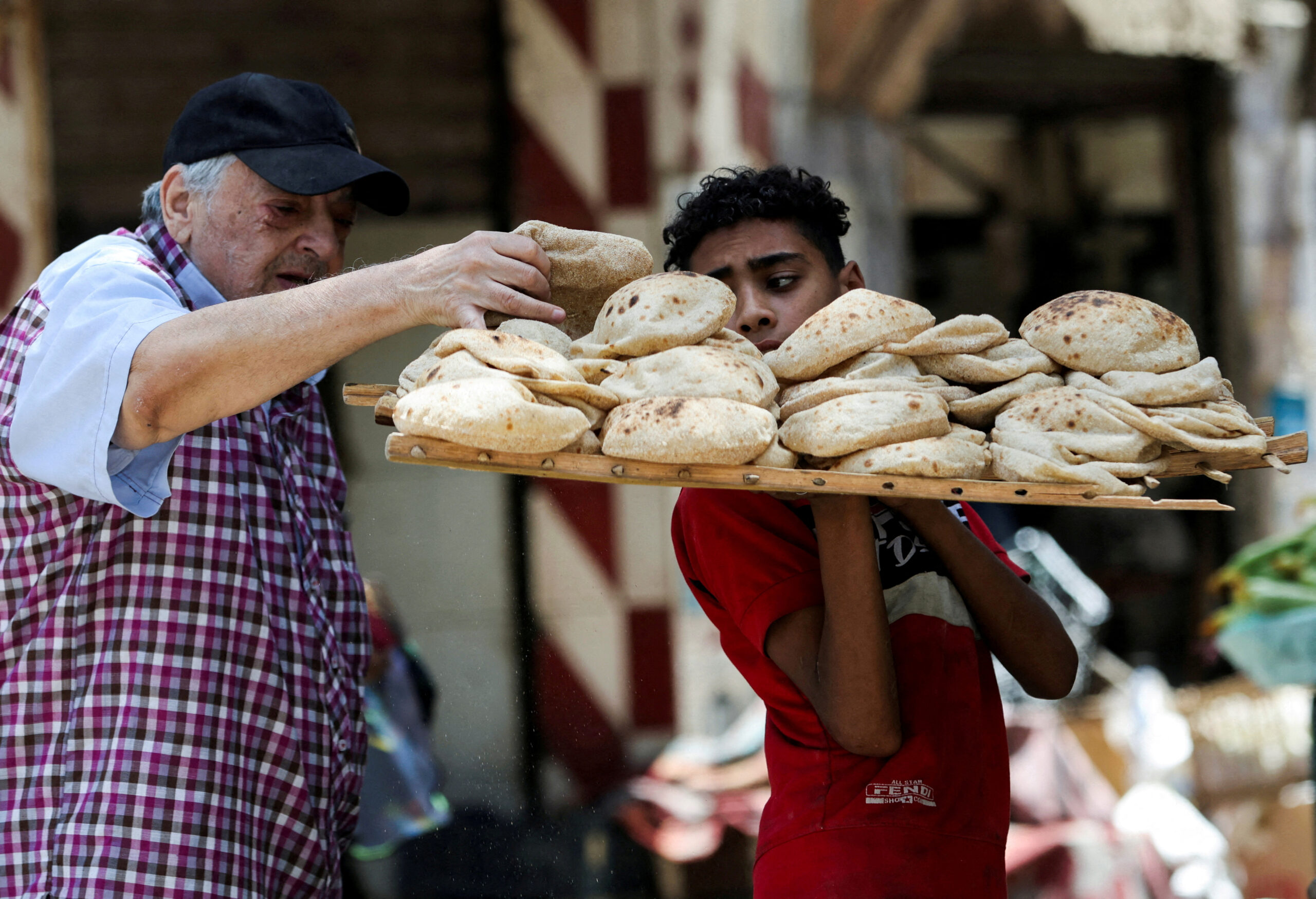
Supply Ministry introduces new penalties for bakeries, mills amid changes to bread subsidy system
Supply Minister Sherif Farouk imposed new regulations on the production of subsidized bread this week, introducing fines for bakeries and mills found…
Your support is the only way to ensure independent, progressive journalism survives.
You have a right to access accurate information, be stimulated by innovative and nuanced reporting, and be moved by compelling storytelling. Subscribe now to become part of the growing community of members who help us maintain our editorial independence.
Join us