
Government raises household water tariffs by 46.5%
Water tariffs have been hiked by almost 47 percent for some Egyptian households, according to the Saturday edition of the Official Gazette. The new rates are applicable on May consumption and will be reflected in June bills.
The increase, which was introduced by government decree on May 31, is part of a wider plan to liberalize utility prices. Tariffs were raised for households across all consumption brackets, with the highest consumption bracket (consuming more than 40 cubic meters per month) facing the steepest hike.
Wastewater fees also increased from 63 percent of each household's water tariff to 75 percent.
Water tariffs for the government sector and the service sector, which includes places of worship, shelters, political parties and labor unions, among other establishments, saw the highest price hike among non-household users, while the tourism and industrial sectors saw the least rise in tariffs. A new tariff was also introduced for sporting and social clubs, making this the sector facing the highest tariffs.
Household tariffs
| Change | Price after increase (LE/cubic meter) | Price before recent increase (LE/cubic meter) | Consumption bracket (cubic meter/month) |
| 44.4% | 0.65 | 0.45 | 0 to 10 |
| 33% | 1.6 | 1.2 | 11 to 20 |
| 36.4% | 2.25 | 1.65 | 21 to 30 |
| 37.5% | 2.75 | 2 | 0 to 40 |
| 46.5% | 3.15 | 2.15 | More than 40 |
| 75% | 63% | Sewage fee (% of water tariff) |
Figures in the table are based on information published in the Official Gazette in August 2017, and on May 31.
Other tariffs
| Sector | Price before recent increase (LE/cubic meter) | Price after increase (LE/cubic meter) | Change |
| Service | 2 | 3.3 | 65% |
| Government | 2.2 | 3.4 | 54.5% |
| Commercial | 2.4 | 3.6 | 50% |
| Industrial | 3.35 | 4.55 | 35.8% |
| Tourism | 3.4 | 4.6 | 35.3% |
| Other | 6.95 | 9 | 29.5% |
| Sporting and Social Clubs | - | 10 | |
| Sewage fee (% of water tariff) | 92% | 98% |
Figures in the table are based on information published in the Official Gazette in August 2017, and included on May 31.
The government provides the state-owned Holding Company For Water & Waste Water with a LE2 billion subsidy as compensation for the difference between the company's expenditures, valued at LE17 billion, and its revenues, valued at LE15 billion, according to statements from head of the company, Mamdouh Raslan, in December 2017. Established in 2004 by government decree, the company is responsible for processing and transporting both drinking and wastewater across the country.
The most recent hike in water tariffs was implemented in August 2017, while the first such increase in more than eight years was implemented in 2014. At the time, President Abdel Fattah al-Sisi embarked on an economic program aiming to liberalize markets and eliminate subsidies in an effort to rein in a growing budget deficit. After two years of consultations and deliberations with the International Monetary Fund, the Egyptian government committed to moving forward with the austerity measures and restructuring policies in a November 2016 agreement in exchange for a US$12 billion loan. The program has caused inflation rates to surge, reducing people’s living standards.
The government is moving forward with a five year plan to lift water subsidies, which was launched in 2016, according to statements delivered by Raslan at the time. Raising water tariffs is meant to offset the holding company's expenses, which have risen as a result of the recent increases in fuel and electricity prices, said Raslan.
Another round of electricity and fuel price hikes is expected in the coming weeks.
The government is also expected to privatize water and wastewater utilities. A bill is currently before Parliament that would allow private companies to enter the market, stipulating that the Potable Water and Sanitary Drainage and Consumer Protection Regulatory Authority would be responsible for guaranteeing competitiveness among service providers as well as setting prices. However, entry into the market will only be appealing to the private sector if Egypt’s water utilities become profitable.
*Correction: An earlier version of this article incorrectly stated that the price for the second lowest household consumption bracket was LE1.02. It was in fact LE1.2, and so the percentage increase is 46.5 percent, not 57 as originally stated. The piece has been amended accordingly.

أخبار ذات صلة
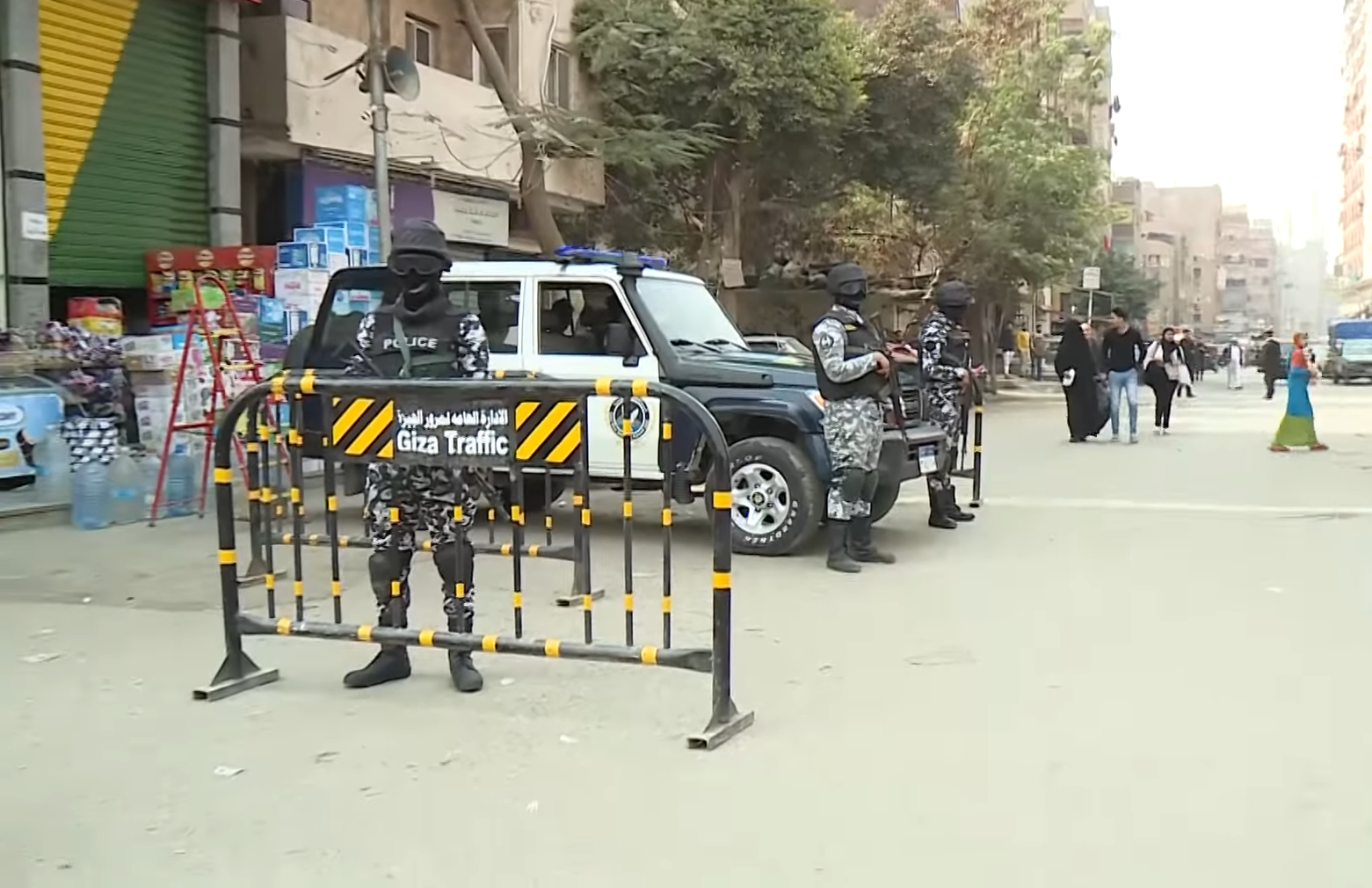
Hundreds arrested in security crackdown to contain calls for protest on Nov 11
Some have been stopped at random, regardless of their engagement with the wave of dissent
Egypt, IMF agree to smaller loan after sticking points prove political nonstarters. But will it be enough?
Egypt's refusal to acquiesce to two conditions ultimately reduced the value of the loan
An inferno of austerity or drowning in debt: Egypt’s choices in talks with the IMF
Conditions of the loan have made state institutions wary, but the extent of the currency crisis may make it inevitable
House passes 2022/23 state budget amid critique of earmarks for debt servicing, lavish allowances, megaprojects
The government's financial statement reveals a massive and historic deficit
Your support is the only way to ensure independent, progressive journalism survives.
You have a right to access accurate information, be stimulated by innovative and nuanced reporting, and be moved by compelling storytelling. Subscribe now to become part of the growing community of members who help us maintain our editorial independence.
Join us