
Government instructs foreign reporters to remove Islamic references from terrorist descriptions
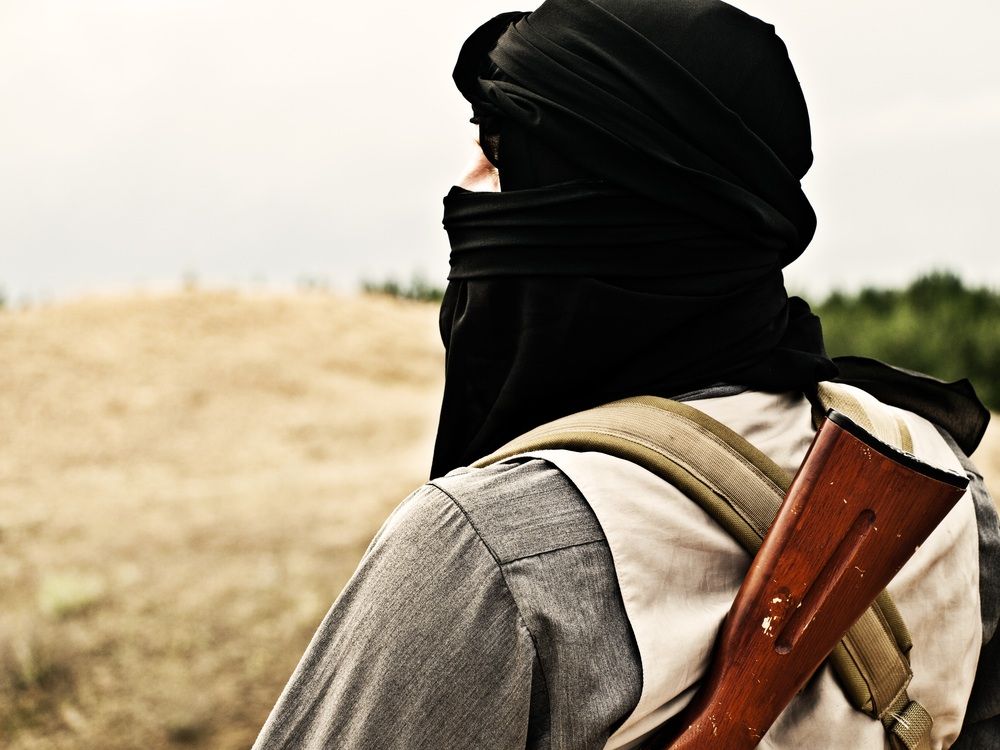
During a presser on Saturday, Egypt’s Ministry of Foreign Affairs handed international media representatives guidelines instructing them to refrain from using “religious or faith based terminology” when describing terrorist groups.
This comes amid a growing crackdown on media through restrictive laws, the arrests of journalists and threatening messages to foreign media representatives and outlets.
The Foreign Affairs Ministry has sent foreign media in Egypt several angry statements recently criticizing their coverage of the ongoing state-led crackdown on terrorism.
In its most recent statement, the Foreign Ministry advised international press to stay away from using terms such as “Islamists,” “Jihadists”, “Islamic State,” and “fundamentalists” while covering terrorist attacks.
This follows a large scale terrorist attack in North Sinai last Wednesday, which targeted a number of military posts simultaneously and escalated into prolonged clashes between militants and the military, causing over 100 deaths.
The group formerly known as Ansar Beit al-Maqdes, which declared itself an affiliate of the Islamic State, calling itself the “Province of Sinai,” claimed the attack.
The Ministry claimed that using the self-proclaimed Islamic name of the group “tarnishes the image of Islam, as it falsely attaches the horrendous acts of these extremist groups to the faith.”
The Ministry offers alternatives to be used by media outlets when referring to terrorist groups, including “slaughterer, executioner, assassins, slayers, destroyers, eradicators.”
The Ministry has issued several similar statements recently accusing foreign media outlets of distorting the news in pursuit of foreign agendas.
Following a presidential pardon releasing 165 detainees at the beginning of the month of Ramadan, the Foreign Ministry wasn’t satisfied with the absence of positive coverage on Egypt in international media.
“To ignore such a piece of news entirely, while magnifying other news and portraying it negatively, reflects poorly on the credibility and integrity of any media outlet. It is not comprehensible why so many of you neglected this development, despite its significance,” the statement read, adding that the details of the pardon were attached in the e-mail in the hope it would get “appropriate coverage on your part.”
The Ministry has also repeatedly discredited the coverage of recent death sentences issued against former President Mohamed Morsi and others, which were seen by foreign observers as a breach of justice. In a statement issued last month, the Ministry labeled criticism of the verdicts, “miserable attempts to impose visions and policies that are inconsistent with the will of the Egyptian people.”
The threat to foreign journalists has become more direct recently. Last Month, Ricard Gonzalez, correspondent for the Spanish EL PAIS newspaper, revealed that he had to leave the country abruptly after the Spanish government told him they had received information that he was at imminent risk of arrest.
Article 33 in the draft terrorism law, which was recently passed by the Cabinet, has made going against the official state line or publishing “false information” regarding terrorist operations punishable by two years in prison.
Sharif Abdel Kouddous, Democracy Now! correspondent in Cairo, sees the current crackdown as an escalation of a negative attitude that the state has always adopted towards foreign media, which he says Sisi has taken to the next level.
Kouddous told Mada Masr that the extreme vilification of foreign press increased after Morsi’s removal, as the state and the public starting seeing foreign correspondents as foreign agents. He added that the state is especially concerned with coverage of terrorism, as eradicating it has been the main agenda for Sisi’s presidency.
“On this issue, more than any other, they’re trying to control the narrative, and they are going after foreign media because it is one of the few places where critical coverage of the government is common practice,” he said.
Several critical Egyptian media personalities have been hushed up in the last two years and local mainstream media has largely engaged in self-censorship in line with the dominant state narrative.
While these threats haven’t done much to alter the coverage of critical foreign media outlets, it has created an “increased climate of uncertainty and threat,” Kouddous said.
In a report issued by the Association for Freedom of Thought and Expression (AFTE) last week, the association reported that 18 journalists were arrested in 2015, 14 were illegally detained and 34 were physically assaulted.

أخبار ذات صلة
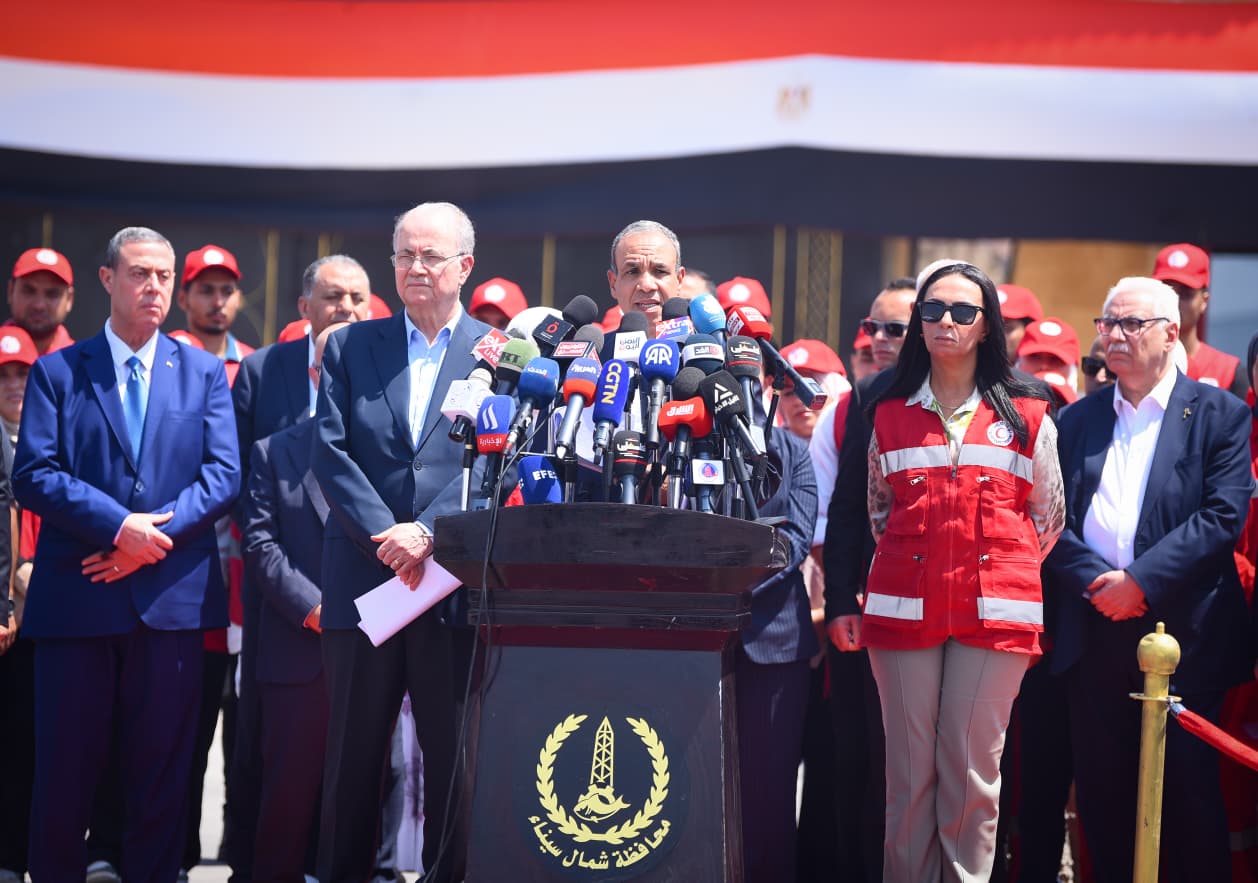
Abdel Atty sketches ambitious vision for PA governance in Gaza despite ‘prohibitive conditions’ preventing ceasefire
In a press conference held at the Rafah border crossing on Monday as Israeli forces advance on Gaza City, Foreign Minister Badr…
Cairo rejects displacement of Palestinians outside their land after Trump suggests Egypt ‘take’ Gaza Strip population
Egypt said it would oppose the displacement of Palestinians, temporarily or in the long term
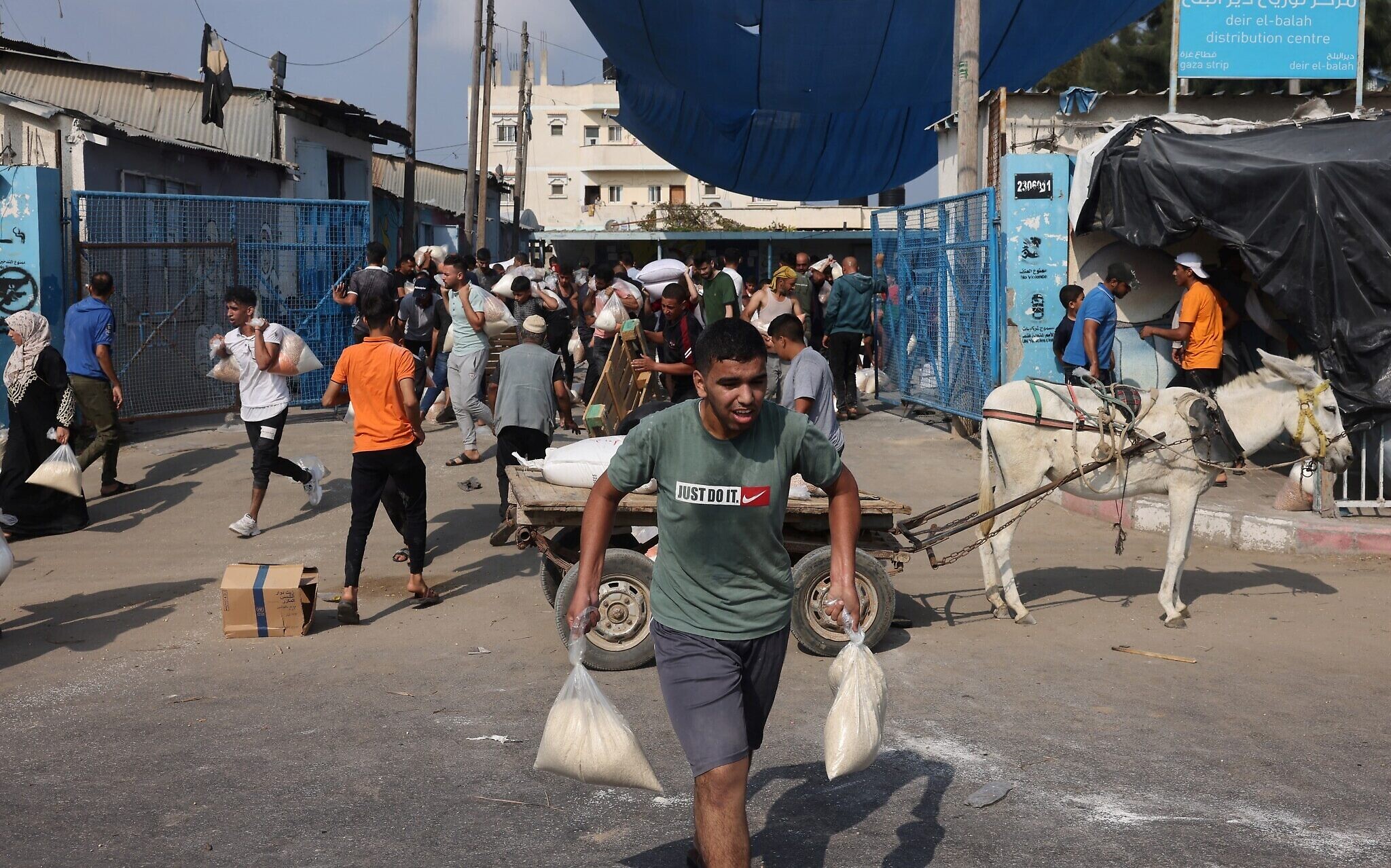
Humanitarian organizations say Israel’s new aid inspection checkpoint not enough to deliver adequate supplies to Gaza
Israel will now be inspecting Gaza-bound aid at the Karem Abu Salem and Awja-Nitzana borders.
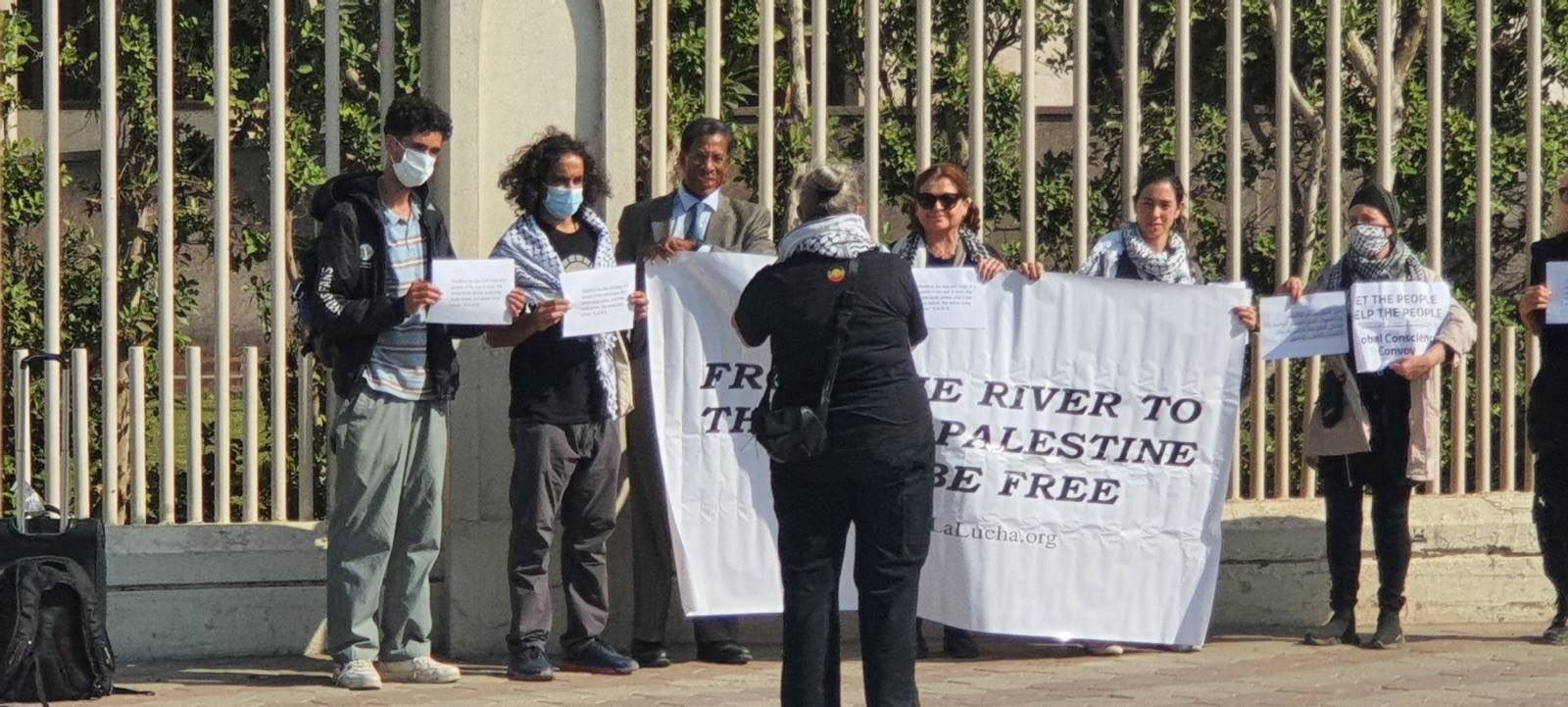
4 activists expelled from Egypt following detention for pro-Palestine protest outside Foreign Ministry
After permit delays for convoy to Gaza, 4 foreign nationals stage protest outside Foreign Ministry
Your support is the only way to ensure independent, progressive journalism survives.
You have a right to access accurate information, be stimulated by innovative and nuanced reporting, and be moved by compelling storytelling. Subscribe now to become part of the growing community of members who help us maintain our editorial independence.
Join us