
Government caps income taxes at 22.5 percent
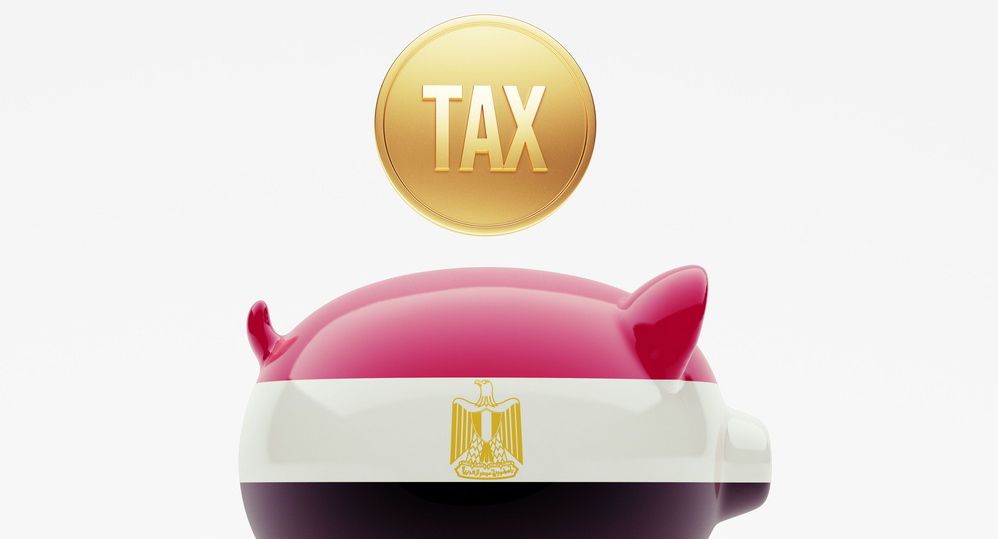
In a surprise announcement Wednesday, Egypt’s Ministry of Finance said the country’s economic ministers have agreed to cap income taxes at a unified rate of 22.5 percent.
The decision comes as part of a package of reforms aimed at improving the investment climate in Egypt, the Ministry said. It comes two days before a major investment conference is scheduled to begin in Sharm el-Sheikh.
“I think the key reason is to encourage businesses, and that comes ahead of the conference,” says Wael Ziada, managing director and head of research at EFG-Hermes.
Once in place, the new regulations will overturn a tax hike introduced in June 2014, shortly after the election of President Abdel Fattah al-Sisi, which imposed a 30 percent tax rate on businesses earning more than LE10 million per year and individuals earning more than LE1 million per year.
This followed a 2013 decision that saw the tax rate for the top bracket of individuals and businesses increase from 20 percent to 25 percent.
At the time, the introduction of higher tax rates for the countries highest earners was presented as a way of achieving social justice. The Finance Ministry has consistently vowed to make Egypt’s tax system more progressive, and to shift the tax burden onto those more easily able to pay.
The tax hikes were also justified as necessary reforms to help the country close its budget deficit, which exceeded 12 percent of GDP in the 2013/14 fiscal year.
In reality, though, tax collection has remained low, with taxes on income, profits and capital gains amounting to just LE39.3 billion in the first half of the current fiscal year, according to figures from the Finance Ministry.
“The effective tax collection rate is less than five percent,” says Ziada.
Wednesday’s announcement has been lauded by firms like EFG-Hermes, which sent out a statement describing the decision as: “no losers, everybody wins.”
Since tax collection is so minimal — in large part due to the tax authorities’ poor capacity — proponents of the tax cut say that lowering tax rates will have minimal impacts on the deficit.
Given this low figure, any loss to the treasury will be compensated for by investment and job creation encouraged by lower tax rates, Ziada says.
“At this stage, the government needs to encourage business by lowering taxation,” he adds.
A 22.5 percent maximum tax rate will also help close the gap between companies operating inside and outside of special economic zones. Taxes for companies in these special zones, including the planned Suez Canal Development Zone, are capped at just 10 percent.
With dividend taxes included on top of income taxes, companies outside these zones can see tax rates amounting to as much as 40 percent.
Such a large gap would motivate many companies to move their operations into lower-tax zones, despite the high up-front cost of relocations. “So, the weighted average in a few years time would have been lower,” says Ziada. “Better to simplify the tax code.”
The government has not yet released details of the new tax policy, including how much lower and medium earners will be taxed. The Finance Ministry’s press release indicates that it may lower taxes for people in the lowest brackets.
As of June 2014, people with less than LE5,000 in annual taxable income were exempt from taxes, while those earning up to LE30,000 — which includes those on the public sector minimum wage of LE14,400 per year — were taxed at 10 percent.
The rate rose to 15 percent for earnings between LE30,000 and LE40,000; to 20 percent for earnings up to LE250,000; 25 percent for earning up to LE1 million, and 30 percent for individuals earning over LE1 million.

أخبار ذات صلة
The EEDC one year later: Some progress, but most promises unmet
A year ago today, President Abdel Fattah al-Sisi launched the Egypt Economic Development Conference (EEDC) in Sharm el-Sheikh. The conference was a public relations coup for Egypt’s government, attracting thousands of…

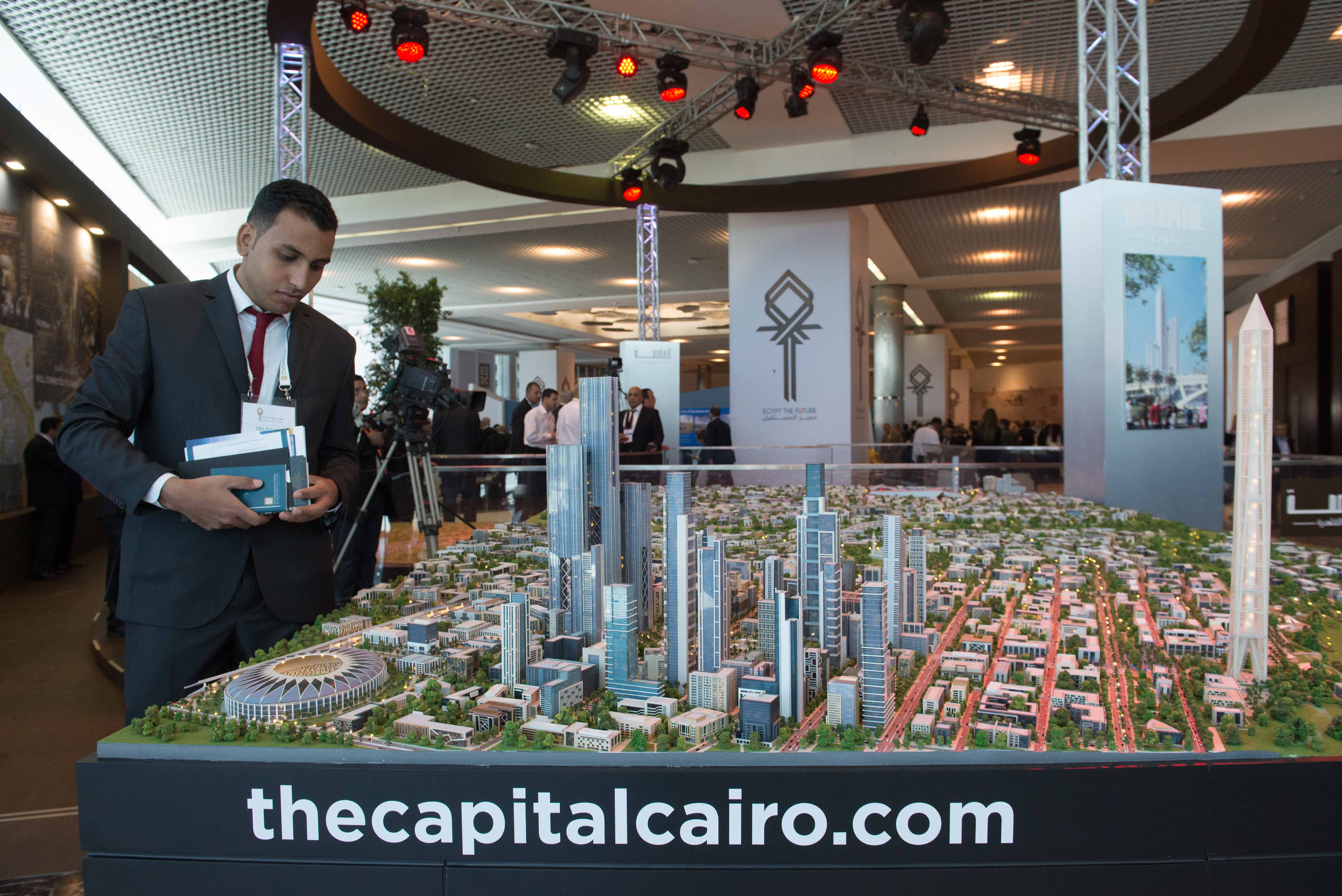
Capital Cairo: A regime of graphics
Four months after an extravagant announcement, the government's plans to establish a new Egyptian capital city seem to be caught somewhere between controversy and awkward silence. The influx of conflicting…
Talks between Egypt and Alabbar for new administrative capital hit a snag
An agreement between Egypt and the Emirati firm Capital City Partners to build a new administrative capital on the outskirts of Cairo…
Sisi’s monthly speech summed up: The 10 most important issues addressed
During what was announced as Abdel Fattah al-Sisi’s monthly speech to the nation on Tuesday, the Egyptian president addressed a number of…
Your support is the only way to ensure independent, progressive journalism survives.
You have a right to access accurate information, be stimulated by innovative and nuanced reporting, and be moved by compelling storytelling. Subscribe now to become part of the growing community of members who help us maintain our editorial independence.
Join us