
Eyewitness: Police kill local woman while dispersing a fight in Moqattam

Sabah Kamel, a 25-year-old woman with three children, was killed in crossfire when police dispersed a fight between two local families in the east Cairo district of Moqattam on Monday night.
Freelance journalist and local resident Makarios Nassar reported that a fight broke out over a parking dispute between two local families in Moqattam. It involved around 50 people who were using knives and rubber bullets, according to Nassar. The police were called to disperse the brawl and arrived at the scene around 8 pm.
Nassar himself did not arrive until 9 pm, but gathered his information from eyewitnesses on the ground, who said five police officers arrived with guns and began to make their way through the crowd, attempting to separate those who were fighting. One of the policemen, later identified as Mohamed al-Motgly, began to curse at people and then fired live bullets into the air twice.
Kamel was watching the fight from her balcony and was hit in the head by Motgly’s bullet and died on the scene. Farhat Fayez, a 29-year-old local resident, told Nassar that Motgly is known in the area for his cruelty, allegedly detaining women without reason, raiding apartments and taking money from local residents.
After Kamel’s death, her family attempted to capture the five police officers but only managed to take Motgly. They destroyed the police car the officers had arrived in and beat Motgly for around six hours, until local Church officials, including local Bishop Ananob, came and took Motgly to the hospital.
Nassar reported that around 30 police officers then came to the hospital to collect Motgly and left with him around midnight, after negotiating his release with Church leaders and the local prominent Al-Baqatra family.
Nassar also spoke to Kamel’s husband, 27-year old Ghali Kamel, who told him, “I demand retribution from the officer who killed her and I will get my rights from him.” He added that his wife was only watching from the balcony, “she was not involved in any problems.”
One of Sabah Kamel’s brothers stated in a video taken by Nassar, “We need to get our rights,” while her cousin said, “there is no law.”

The state-owned Al-Ahram newspaper reported on Tuesday that there would be an investigation into the events and the officer accused of killing Kamel, including an autopsy to confirm the cause of her death.
Kamel’s death follows a similar incident last Thursday, when a police officer killed a woman in the Sidi Gaber district of Alexandria.
According to the officer responsible, Captain Fadi Sobhy, he was cleaning his gun when it went off by accident and hit 55-year-old Aida al-Laban, an employee of Appis Management, who worked in the area. Laban’s husband, however, said Sobhy shot her after an argument broke out between them, which he asserted several witnesses could verify.
Al-Ahram reported on Tuesday that the Sidi Gaber prosecution has launched an investigation into the incident.
An Ain Shams student was also killed by police officers during an alleged shoot out last Tuesday. The student’s death caused the engineering student union to resign and on Monday resulted in the East Cairo prosecution questioning the police officers involved in the student’s death.
Recent cases have been marked by increased media attention, which has at times resulted in either investigations into police actions or the outright prosecution of police, as with the recent example of a police officer sentenced to life in prison for raping a mentally ill woman. The number of undocumented police violations, however, remains unknown.
Program Director at the Cairo Institute for Human Rights, Mohamed Zara, told Mada Masr that the actions of the police are part of a wider pattern of impunity that is only interrupted when there is mass media attention on a particular case.
“The level of impunity is crazy and this encourages police officers to commit violations. They are also not very well trained, even when it comes to normal policing. Say you have a robbery at your house, you wouldn’t feel that the police would stop the violence.”
Even in cases where there has been a lot of media attention, like that of Shaima Sabbagh, the court documents do not reveal the process of investigation, or why certain policemen were or were not brought to account, he explained, adding, “there is no accountability in day to day violations, there is no systemic mechanism to combat violations.”

أخبار ذات صلة

The long and costly wait for a new personal status law
Bassant Soliman’s suicide triggered renewed public backlash against personal status laws in Egypt
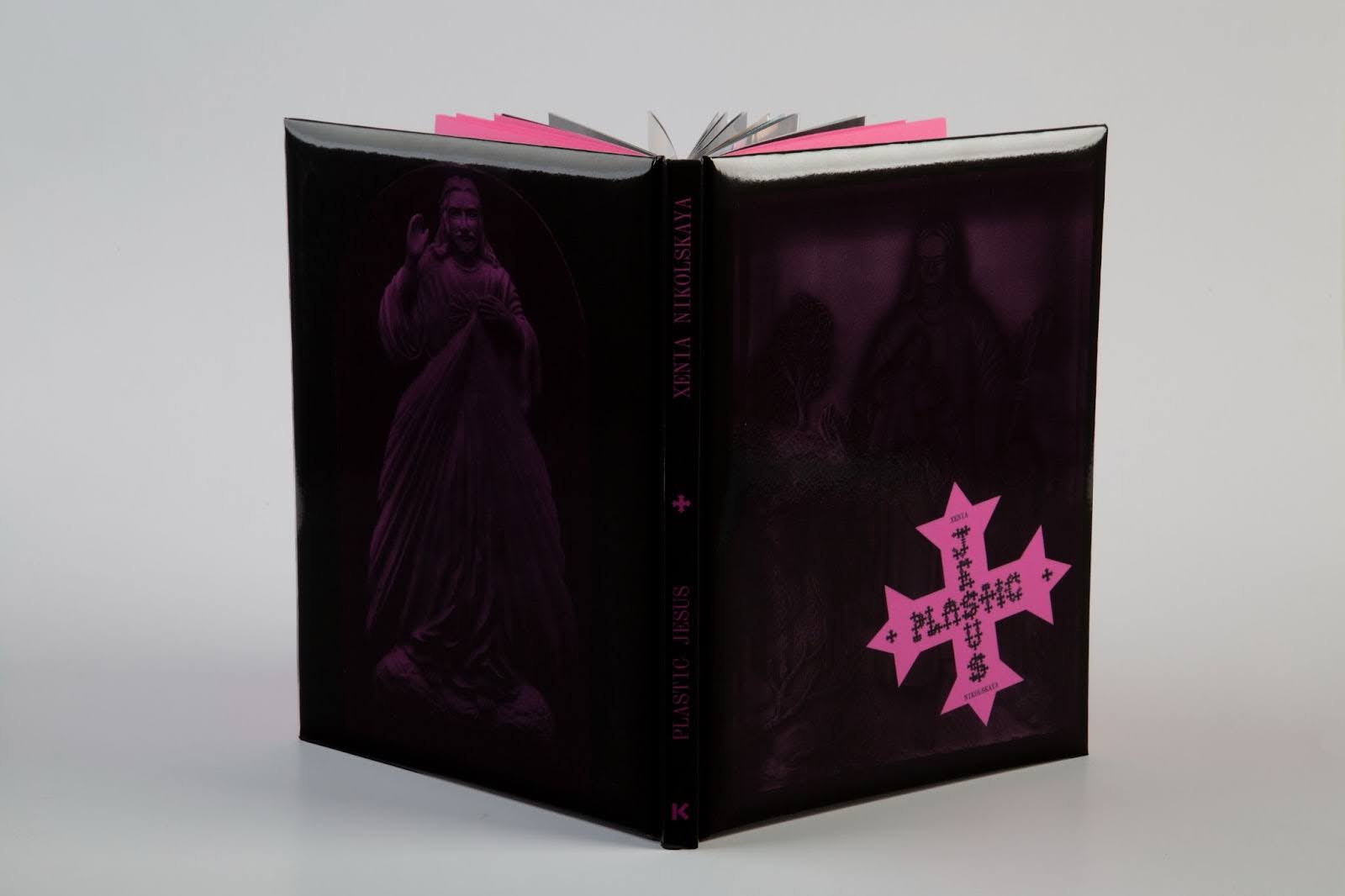
Plastic Jesus, real devotion
Xenia Nikolskaya’s latest photobook Plastic Jesus presents a selection of photographs of Coptic merchandise and architectural interiors from her trips across Egypt between 2003 and 2010. The hardcover book, designed…
Protests, arrests in Minya village point to longstanding discriminatory policies over church permits
Over two days in late January, dozens of Coptic Christian residents of the village of Ezbet Farag Allah in Minya staged a demonstration in front of the Diocese of Samalut…
Patrick George Zaki gets release order from emergency court after 22 months in custody on false news charges
Zaki's emergency court trial was adjourned until February 1
Your support is the only way to ensure independent, progressive journalism survives.
You have a right to access accurate information, be stimulated by innovative and nuanced reporting, and be moved by compelling storytelling. Subscribe now to become part of the growing community of members who help us maintain our editorial independence.
Join us