
EU meets to decide on response to Egypt events
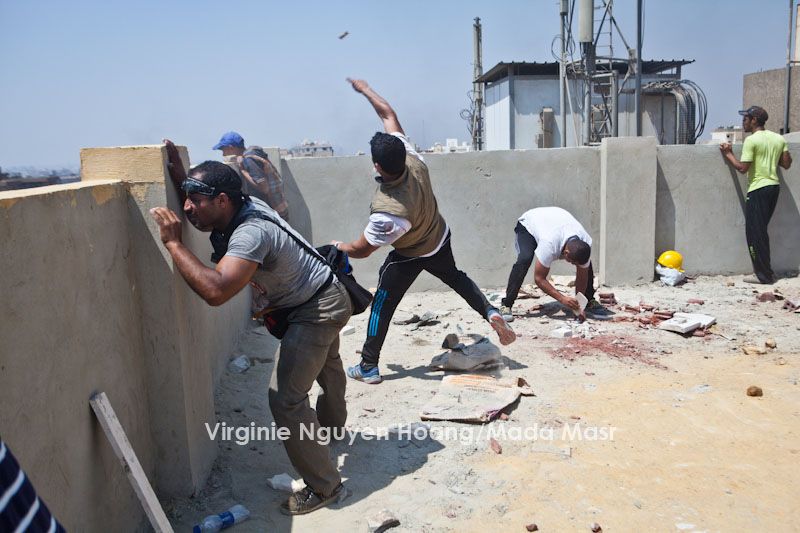
An extraordinary meeting of the European Union’s Foreign Affairs Council convenes today to discuss recent events in Egypt.
Chaired by European Union High Representative for Foreign Affairs and Security Policy Catherine Ashton, the Council is expected to decide on a “possible response” to events in Egypt, the EU said in a statement issued today.
“The Council is also expected to reiterate its calls for an end to violence, its full support for dialogue and an inclusive political process…leading to the holding of free and fair elections and the establishment of a civilian government,” the EU statement reads.
On July 22, the Council expressed “deep concern” about the situation in Egypt. In July, Ashton, together with EU Special Representative Bernardino Leon were involved in failed negotiations between the Muslim Brotherhood and the interim government aimed at resolving the political deadlock.
The EU is Egypt’s main trading partner. The 2004 Association Agreement doubled EU-Egypt bilateral trade. The EU also gives significant amounts of aid to Egypt through its European Neighborhood Partnership Instrument (ENPI) — programs currently amount to some 892 million euros.
Koert Debeuf, a representative of the EU parliament’s Aide group in Egypt, writing on his blog EU Observer says that the EU can take several possible measures against Egypt: cut the budget lines of the Neighborhood Policy, which it could also combine with cutting EU member-states’ aid. Another option, he writes, is to freeze the economic boost of 5 billion euros promised in November 2012.
Debeuf says that the Neighorhood Policy amounts to less than 200 million euros annually and that combined with the aid from individual member states the total affected figure amounts to 600 million euros.
The impact of cutting the economic boost would be limited, Debeuf says, given that Saudi Arabia, the United Arab Emirates and Kuwait have promised a US$12 billion package to Egypt.
Debeuf is skeptical that any of these measures will be effective in changing positions in Egypt. Rather, he warns that there could be serious consequences.
“The main consequence of taking tough measures against Egypt today could be that the EU will be put in the basket of the pro-Morsi camp. The EU can of course say that it remains neutral and just wants to stop giving aid to a country that uses violence against its citizens. But that will not work for the anti-Morsi side,” Debeuf writes, adding that the EU risks losing its ability to mediate.
Debeuf suggests that the EU attaches new conditions to its aid and economic boost package but that it should resist calls for severe measures against Egypt in order to preserve its role as a future mediator.

أخبار ذات صلة
An organization without a name: How a group of beginners killed Egypt’s prosecutor general
A story of a nameless organization and Egypt's most ambitious assassination operation in a quarter century

Appeals Court uhpolds death sentence, long prison terms in Sidi Gaber case
The Appeals Court upheld a death sentence and long-term prison time for 58 people in a Thursday ruling, though some activists say…
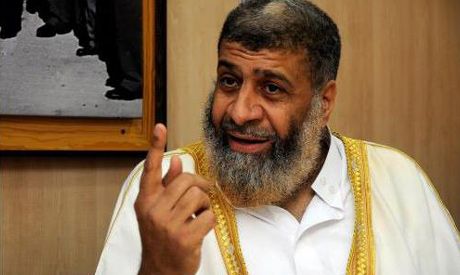
Jama’a al-Islamiya leader sentenced to 15 years for killing protesters
Jama’a al-Islamiya leader Assem Abdel Meguid was sentenced to 15 years in prison by the Assiut Criminal Court on Thursday on charges…
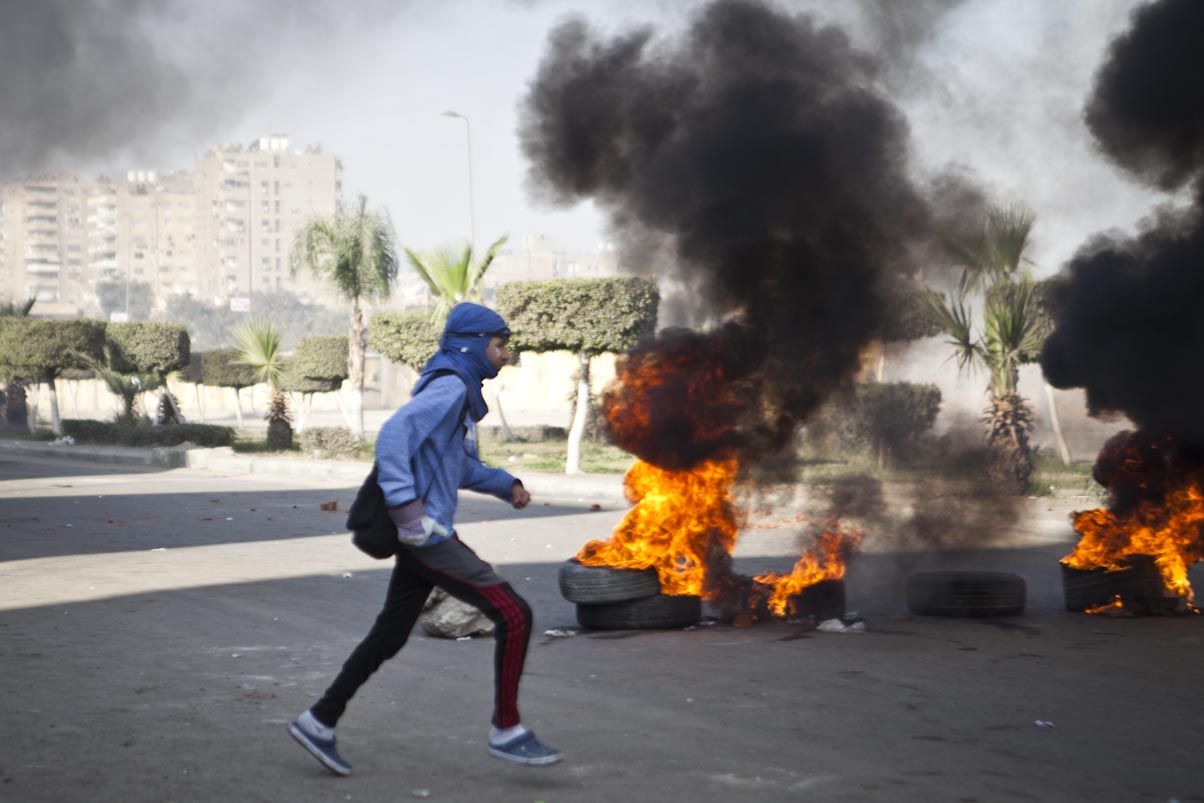
Gov’t report on post-June 30 violence to be publicly released
President Abdel Fattah al-Sisi asked the June 30 official fact-finding committee to present its conclusions to the public before sending them to…
Your support is the only way to ensure independent, progressive journalism survives.
You have a right to access accurate information, be stimulated by innovative and nuanced reporting, and be moved by compelling storytelling. Subscribe now to become part of the growing community of members who help us maintain our editorial independence.
Join us