
Egypt’s tourism is hit hard, again
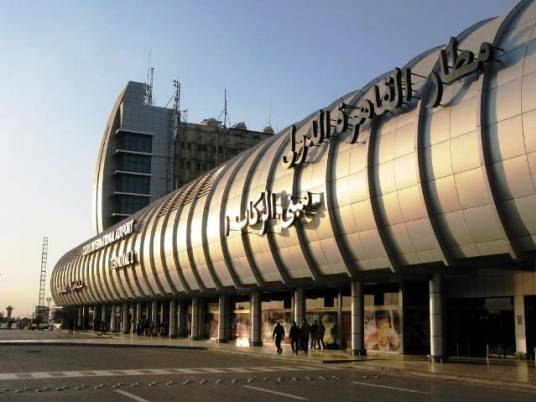
Egypt’s tourism sector is losing between US$250 million to $650 million per month due to continued bouts of violence and political uncertainty, according to a UK-based economic consultancy.
“The outbreak of violence in Egypt has made the economic outlook highly uncertain. But it’s pretty clear that the tourism sector will be hard hit, as it has been during previous bouts of unrest,” Capital Economics said in a report on Egypt’s tourism sector.
Using data from the past two years, the firm drew out two scenarios for the scale of the impact on the sector.
“In the worst case the losses to tourism could be as large as Egypt’s current account deficit over the past year, or the aid pledged to Egypt by the EU this year,” it said.
The drop in direly needed foreign currency, at a time when foreign reserves are at a critical low, it added, “will put further strains on Egypt’s balance of payments position.”
Foreign reserves jumped to $18.8 billion in July, thanks mostly to financial support from Saudi Arabia, Kuwait, and the United Arab Emirates that flooded in after Mohamed Morsi’s time as president was cut short by an army ultimatum backed by mass protests demanding he step down.
Though the initial reaction to the army’s move and the instatement of an interim government was positive, what has played out on the political scene and more violently on the streets is nothing short of catastrophic for tourists and investors.
As noted in the Capital Economics report, tourism will once again bear the brunt of the unrest, along with sluggishness in industry, investment, and infrastructure developments. The state of insecurity and volatility on the streets after the forced dispersal of two sit-ins supporting ousted President Mohamed Morsi on August 14 prompted the presidency to impose a curfew, which has already crippled business operations.
A number of European tour operators have cancelled bookings and a string of statements from governments have advised citizens against traveling to the country.
Tourism revenues account for around 6 to 7 percent of GDP, the report said, and three-quarters of tourists come from Europe.
While tourism has recovered since the 2011 uprising from a drop of 80 percent, numbers have still not exceeded their 2010 peak.
Cairo’s hotel occupancy rates have hovered at around 40 percent since the uprising, down from 80 percent prior, while hotel occupancy rates in Red Sea resorts had — at least until June — almost returned to previous rates.
To gauge a quantifiable impact on the sector, the firm drew out a baseline case, assuming that without the latest unrest, tourist arrivals would have risen by around 10 percent from last year, in line with the trend that began in the first five months of 2013. They also calculated their prediction assuming that the average tourist spends $800 per visit to Egypt, which was the case in 2012.
For the best case scenario, tourist arrivals fall by a quarter, which would see losses incurred by the tourism sector totaling $250 million per month. “This is approximately in line with the fall in arrivals seen at the end of 2011 against the backdrop of violent protests,” the report said.
In the worst case, tourist arrivals fall by two-thirds, equaling losses of $650 million per month, “which would bring them back to the levels seen in the months following the Arab Spring revolution.”
One variable the study could not figure in is how long the unrest will last. “If it were to last until the end of the 2013/14 tourist season (April), the losses could range between around $2 billion and $5.5 billion (or 1.0-2.5 percent of GDP).
The only optimism in any case derives from the fact that Egypt’s tourism sector traditionally bounces back rather quickly from bouts of unrest, but that does not change the state of the country’s balance of payments in the near term.

أخبار ذات صلة

An organization without a name: How a group of beginners killed Egypt’s prosecutor general
A story of a nameless organization and Egypt's most ambitious assassination operation in a quarter century

Appeals Court uhpolds death sentence, long prison terms in Sidi Gaber case
The Appeals Court upheld a death sentence and long-term prison time for 58 people in a Thursday ruling, though some activists say…
Jama’a al-Islamiya leader sentenced to 15 years for killing protesters
Jama’a al-Islamiya leader Assem Abdel Meguid was sentenced to 15 years in prison by the Assiut Criminal Court on Thursday on charges…
Gov’t report on post-June 30 violence to be publicly released
President Abdel Fattah al-Sisi asked the June 30 official fact-finding committee to present its conclusions to the public before sending them to…
Your support is the only way to ensure independent, progressive journalism survives.
You have a right to access accurate information, be stimulated by innovative and nuanced reporting, and be moved by compelling storytelling. Subscribe now to become part of the growing community of members who help us maintain our editorial independence.
Join us