
Egypt to launch commodities exchange hub by year-end
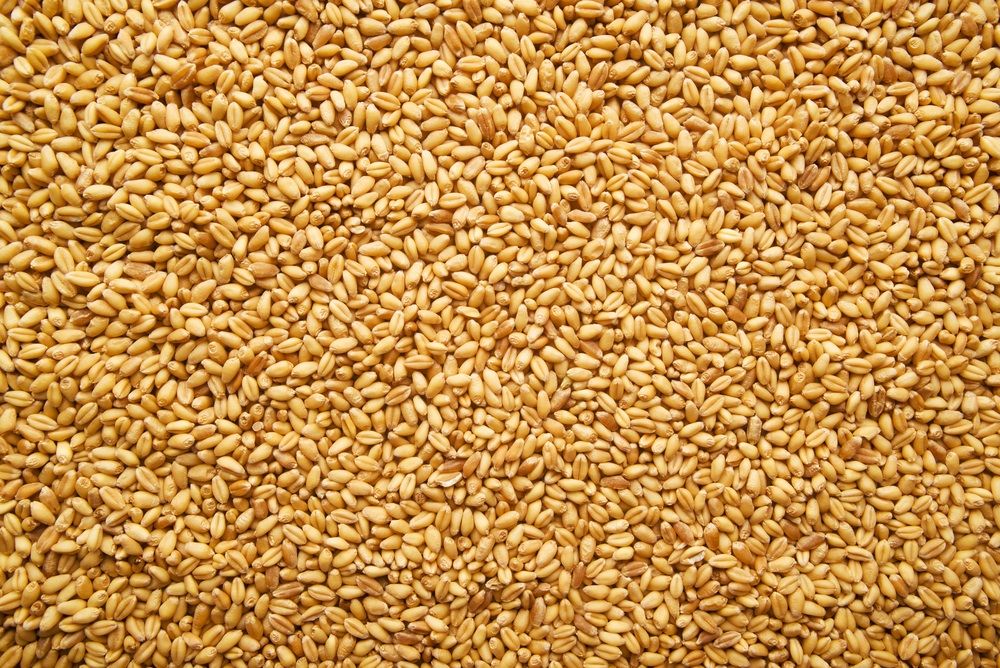
Egypt will launch the Middle East’s first commodities exchange by the end of 2016, Supply and Internal Trade Minister Khaled Hanafy said in a press release Monday, in the hopes of making Egypt an international grain-trading hub.
The new exchange aims to attract 2 million investors in its first year, rising to 9 million over the next five years, Hanafy said. The ministry also anticipates attracting 130 brokerage centers, involving some 65,000 brokers.
At the most basic level, commodity exchanges allow for commodities contracts to be bought and sold based on international prices and information. The Supply and Internal Trade Ministry hopes that establishing an exchange in Egypt will protect local farmers from global price swings and encourage grain production by increasing access to international markets.
The exchange will deal with more than just wheat, handling five other agricultural commodities in addition to oil and gold, a project consultant told Reuters at a news conference. "We aren't going to simply copy and paste other exchanges. This is going to be an Egyptian exchange. There will be price discovery, and we will put prices in Egyptian pounds," said Iman al-Mutlaq, chief executive of Sigma Investments, the firm which conducted the feasibility study.
Monday's announcement follows a vague 2014 plan to transform Egypt into a global grain trading hub, taking advantage of Egypt’s geographic location to play a greater logistical role in commodities trading.
Egypt is currently the world’s largest importer of wheat, expected to purchase 11.5 million tons during the 2015-16 trading year, while only producing 8.5 million tons, according to the United States Department of Agriculture.
The country is also in dire need of better storage for its own grain crop. Much of the wheat harvest is stored in unprotected, open lots, and experts believe that up to 30 percent of Egypt’s grain is lost during storage.
As part of the development plan for the grain exchange, the Supply Ministry says 105 earthen granaries have been developed into modern gain storage facilities, while another 60 grain silos are being developed to store wheat. Transport networks and communication networks are also reportedly being built as part of the granary development program.

أخبار ذات صلة
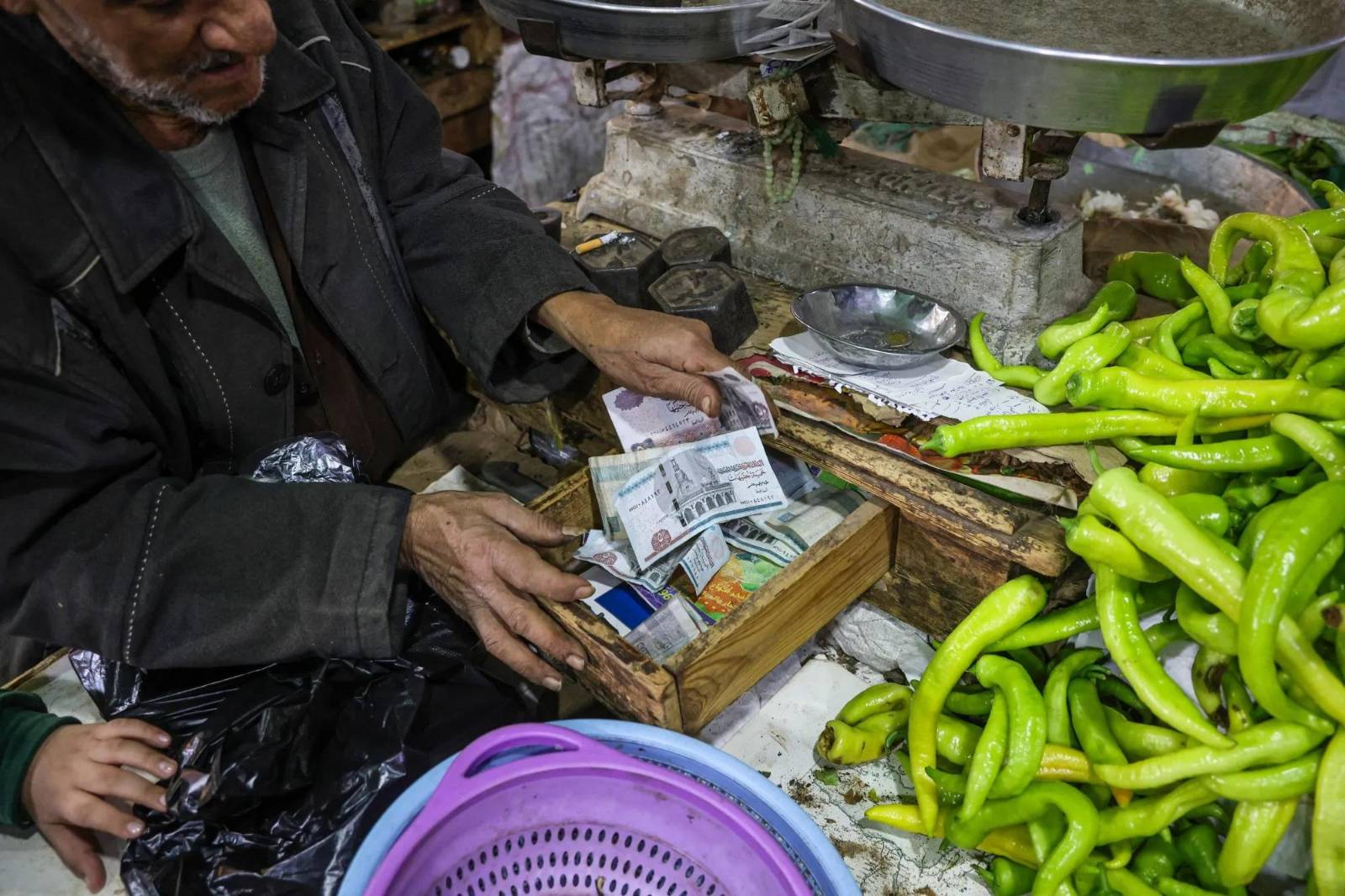
Brandishing the military trial stick: The govt’s price control bluff
Another wave of inflation is crashing in. On March 10, and for the third time in the course of a year, the government raised fuel prices again, justifying the decision…
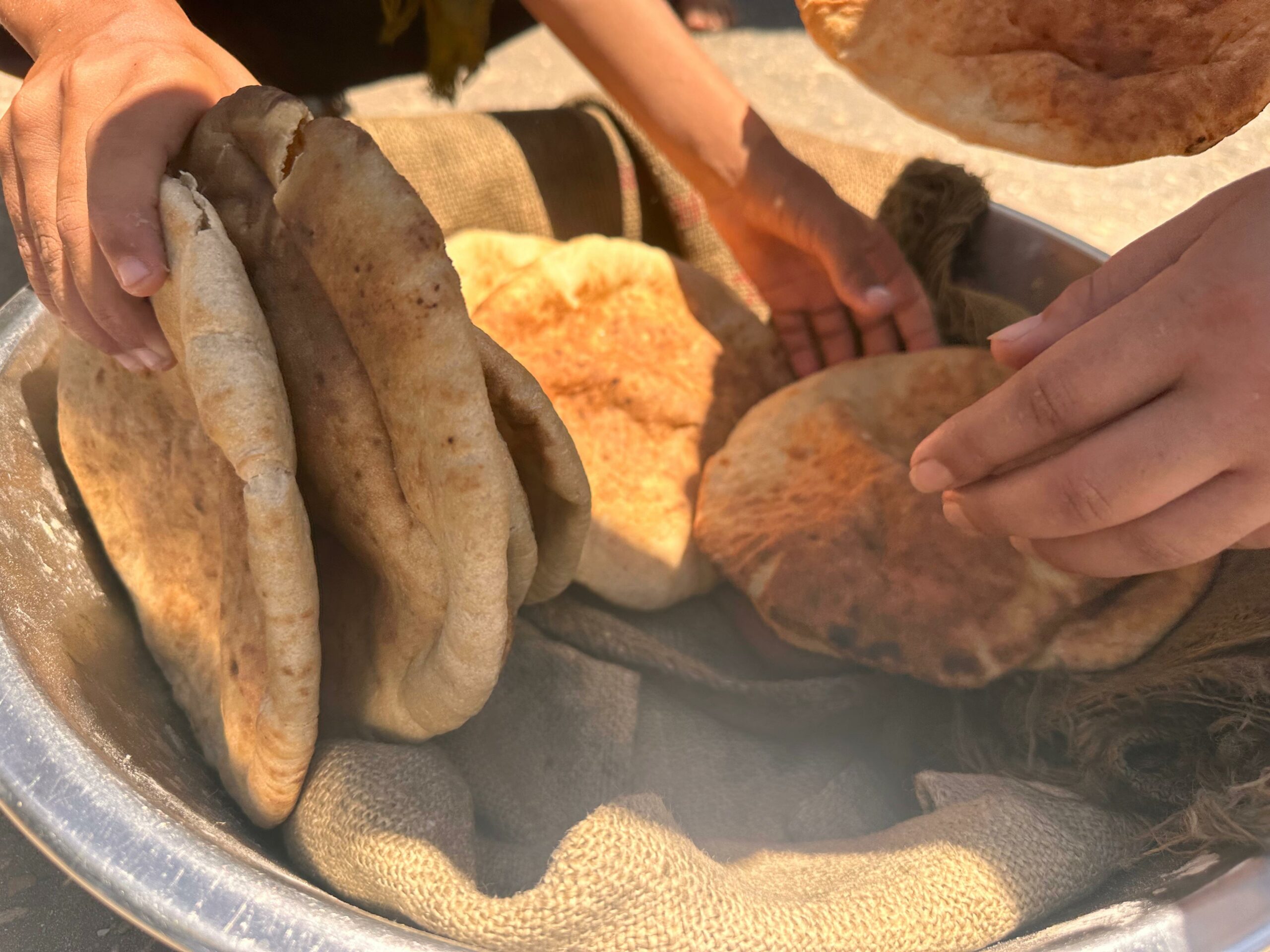
Egypt launches program to fortify subsidized bread against iron deficiency
A source in the Supply Ministry said that the fortified bread will be distributed in 13 governorates
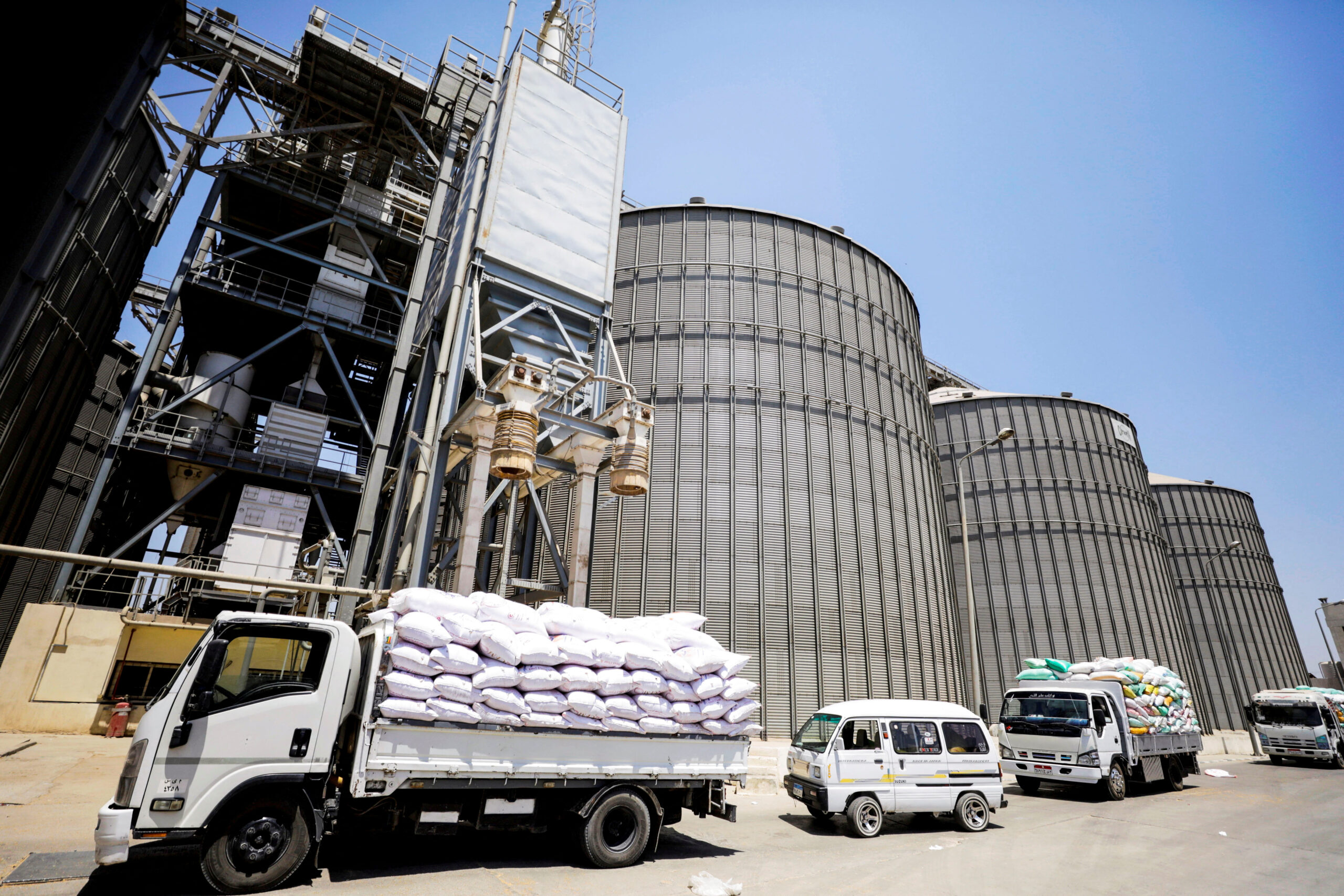
New player bids to import wheat for Egypt’s state silos
The Future of Egypt, a sustainable agriculture agency, announced on Wednesday that it had issued a tender to import 60,000 tons of…
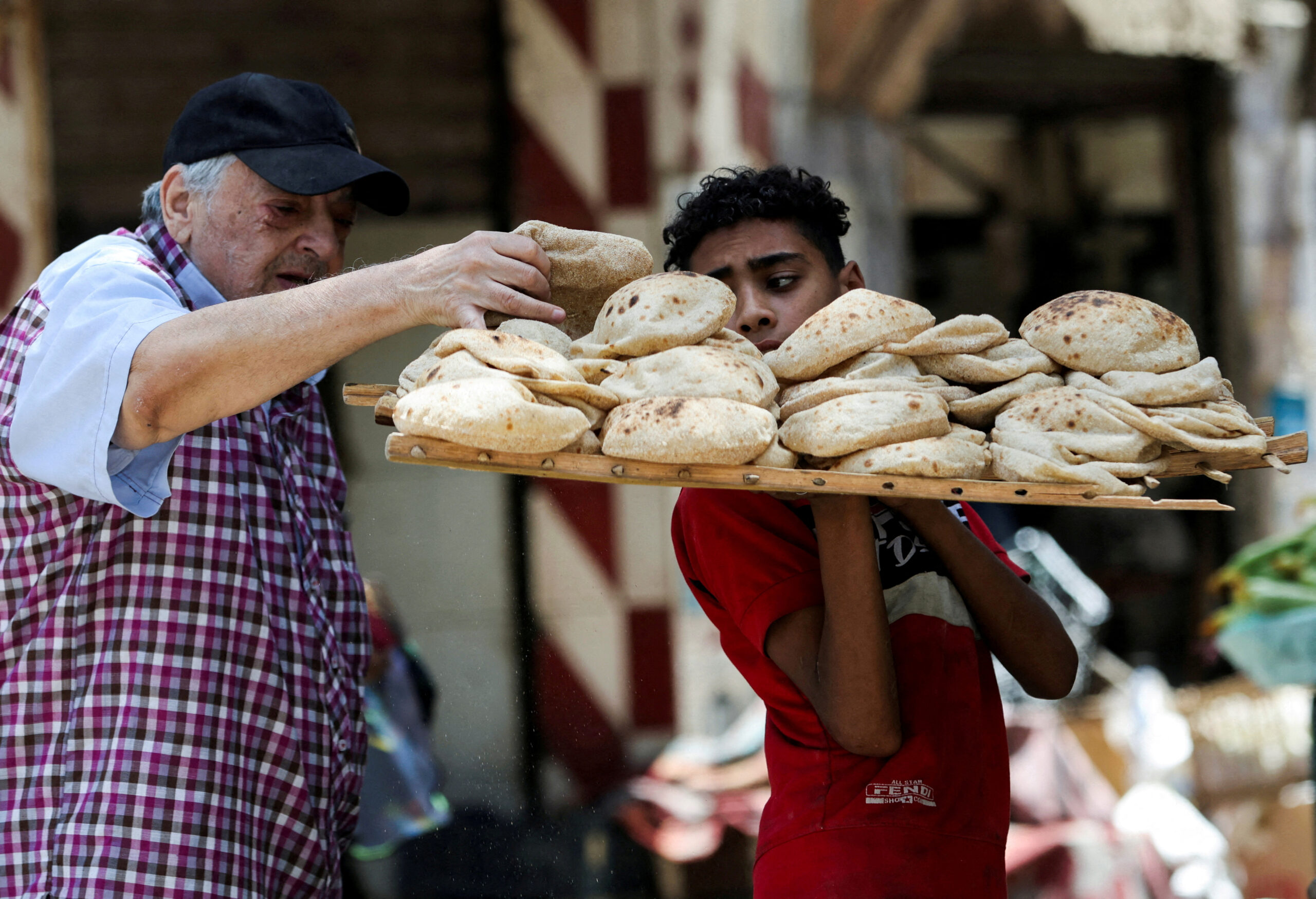
Supply Ministry introduces new penalties for bakeries, mills amid changes to bread subsidy system
Supply Minister Sherif Farouk imposed new regulations on the production of subsidized bread this week, introducing fines for bakeries and mills found…
Your support is the only way to ensure independent, progressive journalism survives.
You have a right to access accurate information, be stimulated by innovative and nuanced reporting, and be moved by compelling storytelling. Subscribe now to become part of the growing community of members who help us maintain our editorial independence.
Join us