
Egypt sixth in global misery index
Thanks to high unemployment, inflation and bond rates coupled with low GDP growth, Egypt ranked sixth in a global “misery index” compiled by John’s Hopkins economist Steve H. Hanke.
The study, published in the May issue of Jakarta-based business magazine Globe Asia, was based on data collected by the Economist Intelligence Unit. It only ranked countries for which figures were available on unemployment, inflation, lending rates and GDP growth, leaving out obvious contenders, like war-torn Syria, South Sudan or the Central African Republic.
Among the 90 countries ranked, Venezuela topped the list, driven by an official annual inflation rate of 56.2 percent. Iran had the second worst rating, followed by Serbia, Argentina, Jamaica and Egypt.
According to government figures, Egypt’s unemployment rate reached 13.4 percent at the end of 2013, while annual urban inflation reached 9.8 percent in March 2014. At the Central Bank’s most recent auction, the average yield on 10-year bonds hit 15.43 percent, while economists surveyed by Reuters predicted that GDP growth for the current fiscal year would reach just 2.1 percent.
The countries with the lowest misery index were Japan, Uzbekistan, Taiwan, Singapore and South Korea.
These results contradict other studies attempting to quantify national wellbeing, like the United Nations’ General Assembly’s 2013 World Happiness Report, which put Denmark, Norway, Switzerland, the Netherlands and Sweden at the top of the pack. According to this study — which measured factors including GDP, life expectancy, social support and perceived corruption and freedom to make life choices — the five least happy countries were Togo, Benin, the Central African Republic, Burundi and Rwanda, none of which featured in Hanke’s index.
Egypt ranked a lacklustre 130 out of 156.
Although achieving an objective measure over subjective feelings like happiness and misery may still prove elusive, Hanke notes that, at least in the United States, the misery index correlates strongly with citizens’ satisfaction with government. “When looking at the relationship between a president’s approval ratings and the misery index, the truth comes into sharp relief. If the economy is doing poorly during a president’s term, the likelihood for this president to have a low approval rate is high, and vice versa,” Hanke writes.

أخبار ذات صلة
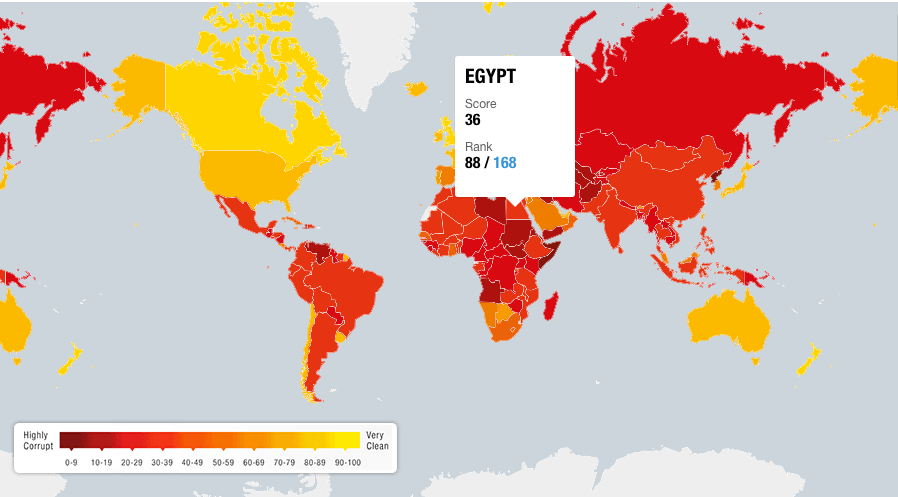
Transparency International corrects PM and states corruption in Egypt has worsened
The global watchdog states that the country's corruption score has actually worsened, despite its movement relative to the other countries included in…
Egypt sees large decline in happiness levels says World Happiness report
Egypt ranks among the 10 countries with the largest decline in how happy citizens perceive themselves to be, according to the fourth World…
Global visa index: More restrictions on Egyptians traveling abroad under Sisi than Mubarak
The Egyptian passport has dropped on a scale of global visa restrictions in the last decade, making it more difficult for holders…
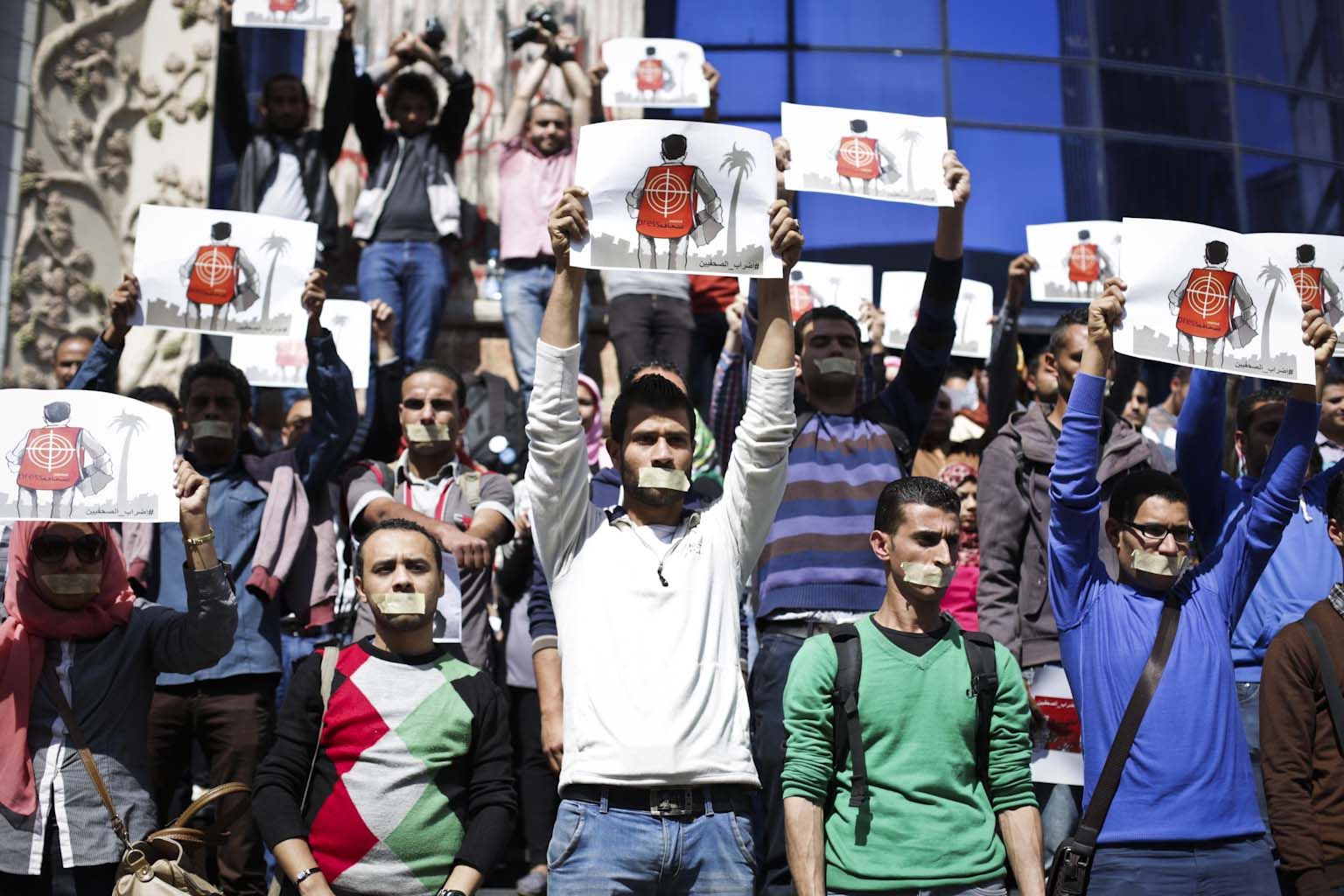
Egypt is 2nd worst jailer of journalists worldwide: CPJ
The New York-based Committee to Protect Journalists (CPJ) said in its latest report that Egypt is second to China as the world’s…
Your support is the only way to ensure independent, progressive journalism survives.
You have a right to access accurate information, be stimulated by innovative and nuanced reporting, and be moved by compelling storytelling. Subscribe now to become part of the growing community of members who help us maintain our editorial independence.
Join us