

The Ministry of International Cooperation announced the transfer of US$1 billion, the first tranche of a World Bank loan, in a statement on Friday, as part of a financing scheme to support the government's economic and developmental program.
The total loan is worth US$3 billion, and is expected to be dispensed over a three-year period, in accordance with the agreement reached on a reform program designed by the government and approved by Parliament.
Despite approving the reform program, Parliament did not agree to the loan itself. This goes against a constitutional condition stipulating that the government may not receive loans, financing or implement projects not included in the national budget for future spending without prior approval from Parliament.
The transfer took place one day after President Abdel Fattah al-Sisi approved the value-added tax law, published in the Official Gazette on Thursday, which will replace the current sales tax. The new law was a main condition for the approval of the bank loan — Mada Masr published a presidential decree, signed by Sisi in February, revealing the Bank's right to stop or cancel the loan if Egypt didn't pass the a VAT law.
According to the agreement, signed on December 19 by Egypt's Minister of International Cooperation Sahar Nasr, one of the conditions involves the bank "accepting the progress achieved by the borrower in implementing its reform program, and the overall economic policy framework," including the adoption of a VAT system.
The second clause of the agreement specifies the mechanism through which the bank will transfer the funds to the government. Egypt must bear a US$2.5 million pre-paid fee in order to receive the bank’s first payment of US$1 billion. The fee is in accordance with bank regulations, retaining 0.025 percent of the loan, meaning that Egypt will receive a final sum totaling US$997.5 million.
The agreement also stipulates that the bank may withhold this tranche if it is not satisfied with the progress of the government's economic reform program.
There are 10 other pre-conditions for the loan, as per the agreement, which the government has since undertaken. These include a series of neo-liberal policies aimed at reducing subsidies and public sector wages, the liberalization of the energy sector and the passing of legislation aiming to attract investors to Egypt.
According to the Ministry of International Cooperation's statement the "ministry is accelerating all procedures necessary to receive the second tranche, worth US$1.5 billion from the World Bank and the African Development Bank, before the end of the year, in accordance with the government's economic and developmental program and the priorities of the Egyptian people."
Egypt is facing an economic crisis and a serious shortage in foreign currency reserves, which the government has opted to resolve with loans from international organizations.
In addition to the funding from the World Bank, Egypt also reached an agreement with the International Monetary Fund in August for a three-year loan of US$12 billion. The fund included the condition that to be eligible for the loan Egypt must be able to guarantee additional financing of US$5-6 billion from other sources.

أخبار ذات صلة
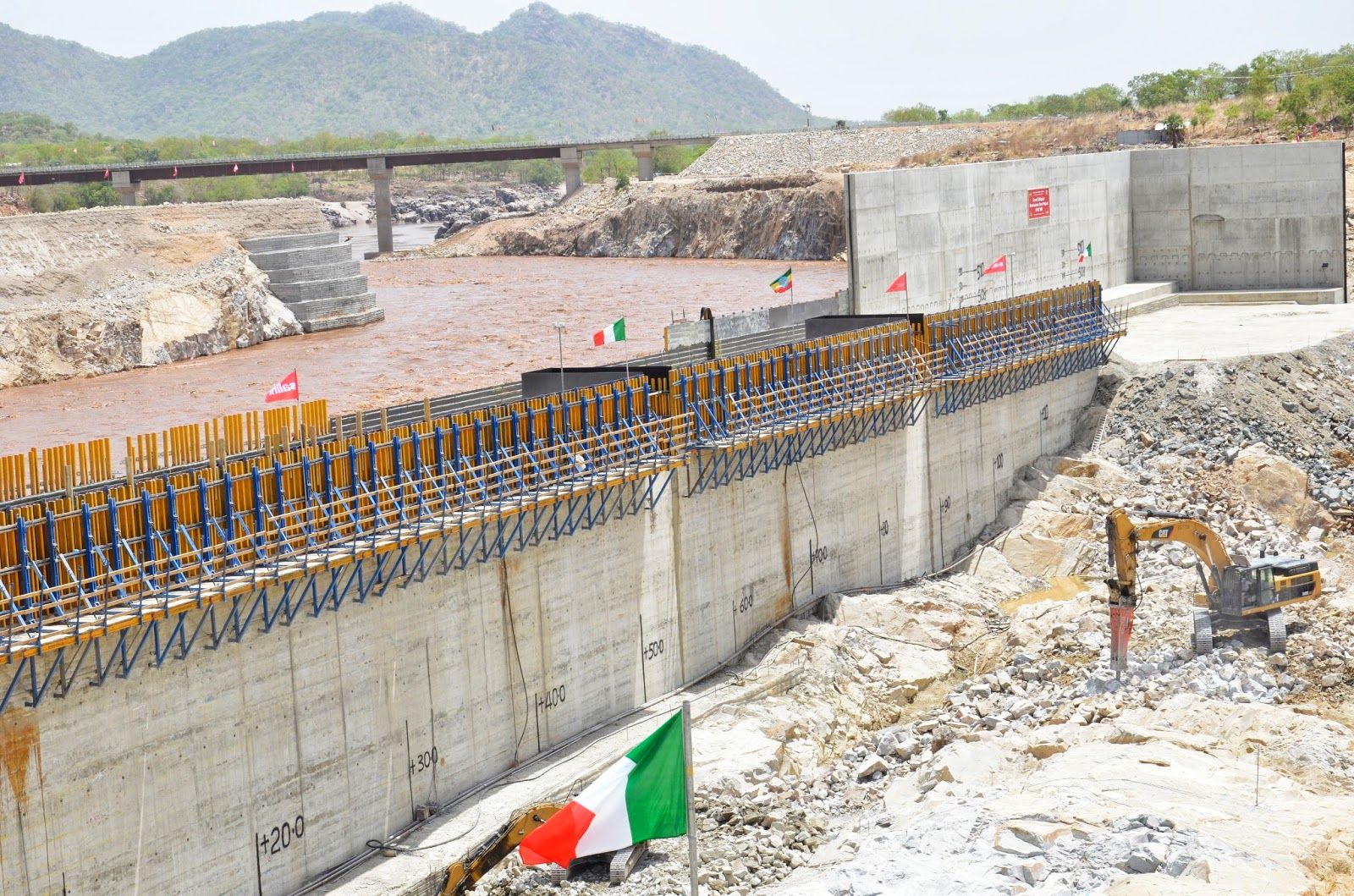
Sources: US-proposed GERD deal sets Ethiopia water release at 37 bcm, major disputes remain
For the US proposal to become a reality, Sudan, Egypt and Ethiopia must first make major concessions
Have the IMF’s promises to Egyptians come true?
The IMF did not only promise growth, it also promised inclusive, job-rich growth.
World Economic Outlook projects Egypt’s inflation rate to rise slightly higher than expected
Egypt’s inflation rate projections for the current and coming year were revised slightly upward
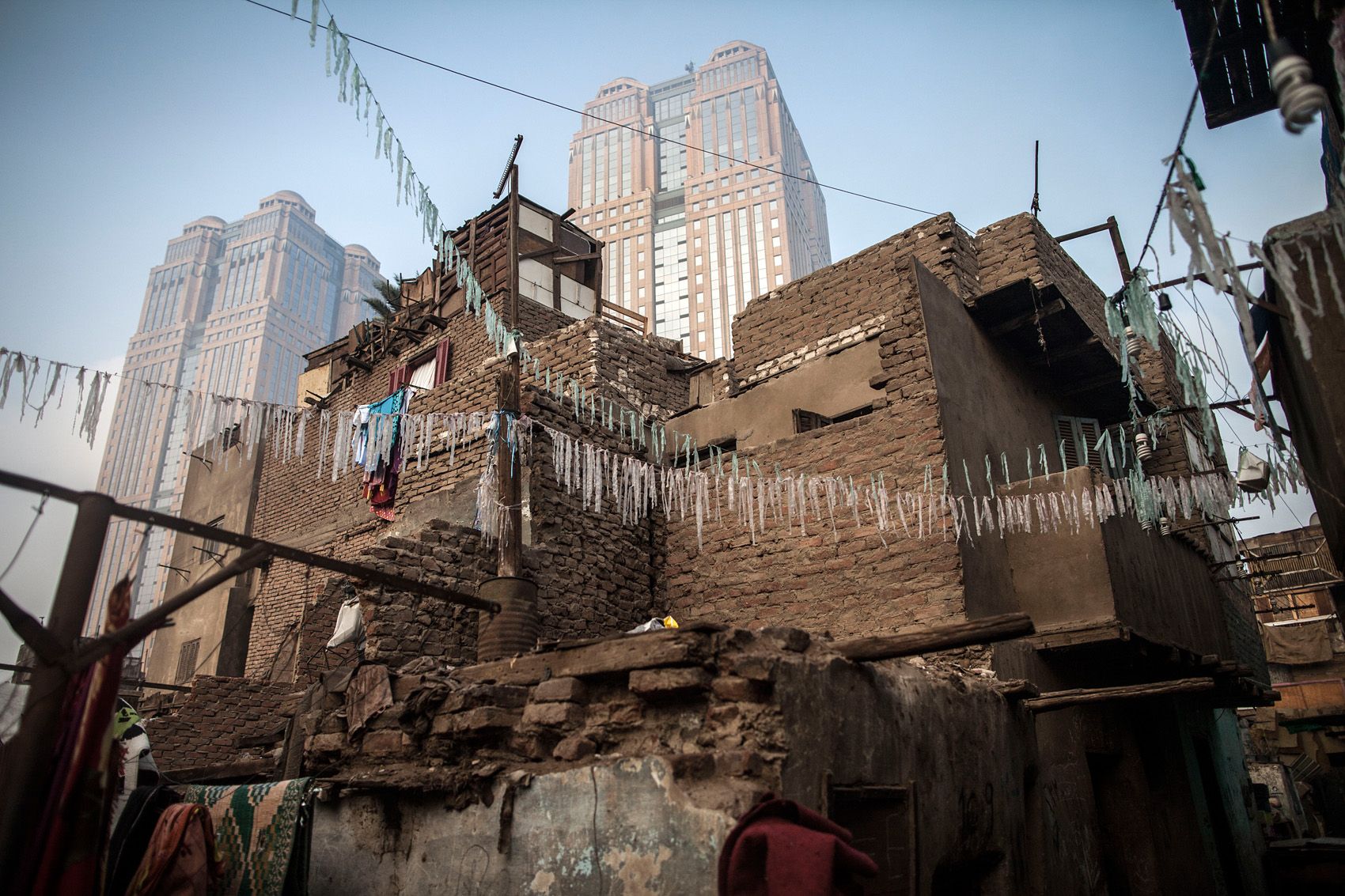
Bad apples? Meet the majority of Egypt’s World Bank private borrowers
Over half of World Bank-financed private sector projects in Egypt have shell companies in tax havens
Your support is the only way to ensure independent, progressive journalism survives.
You have a right to access accurate information, be stimulated by innovative and nuanced reporting, and be moved by compelling storytelling. Subscribe now to become part of the growing community of members who help us maintain our editorial independence.
Join us