
Egypt halfway to wheat purchase target
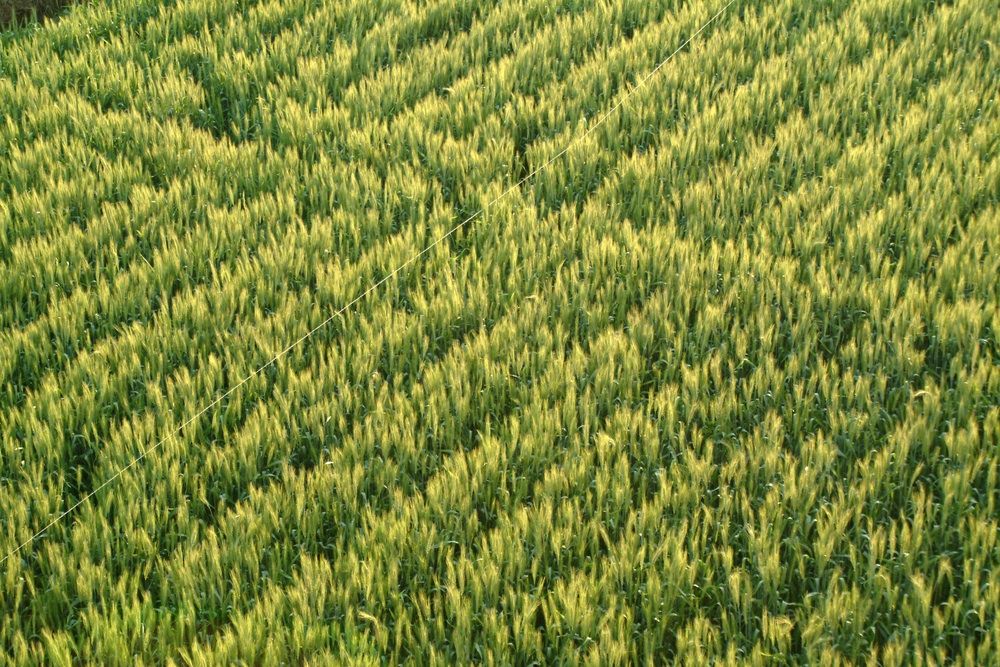
The Minister of Supply and Internal Trade Khaled Hanafy on Tuesday announced that GASC, Egypt’s commodity purchasing agency, had purchased two million tonnes of local wheat since the harvest began in April.
The government aims to purchase four million tonnes of domestic wheat before the harvest draws to a close in June, an increase of almost 19 percent over the 3.6 million tonnes purchased last year.
Hanafy also reaffirmed that the government purchase price would remain at LE420 per ardeb, a measure of grain equivalent to 150 kilograms. This countered earlier reports from the Ministry of Finance that the price could increase to LE500 per ardeb.
At LE420 per ardeb, Egypt’s domestic purchase price per tonne equals LE2800, approximately US$395 at official exchange rates. Last month, Egypt paid an average of $312 per tonne to purchase wheat on the global market.
Although it is cheaper to rely on imports, the Egyptian government has long made it a priority to support domestic production of the key staple. Wheat consumption is around 180 kilograms per capita, the highest rate in the world, and subsidized bread is a key part of the country’s social contract.
Despite efforts to increase domestic output, Egypt is also the world’s largest importer of wheat. According to the US Department of Agriculture, which tracks commodity sales worldwide, Egypt is forecast to import 10.3 million tonnes of wheat this year —5.7 million tonnes for GASC to supply the balady bread program, with the remainder going to the private sector.
Last year, the Morsi administration made waves when it promised a record-breaking local harvest of 9.5 million tonnes, to reach 12 million tonnes within two years. This year, estimates given by officials have ranged from 9.6 million tonnes to a comparatively sober 9 million tonnes.
“Typically, ministry projections about the amount of wheat it will procure from farmers are overly optimistic,” notes the USDA. However, the government has made some changes to its wheat marketing system that could see an increase in wheat sold to the government.
In an attempt to cut out middlemen, the Principal Bank for Development & Agricultural Credit, the government’s wheat purchasing arm, signed contracts directly with 6500 farmers cooperatives. It is also working to increase storage capacity, from 1.5 million tonnes to five million tonnes by the end of 2015. Typically around 20-30 percent of wheat is lost due to poor storage conditions.
Exact figures for Egypt’s wheat production are difficult to track. The country’s agricultural areas are a patchwork of small farms, often mixed between wheat, clover and other crops. This makes satellite mapping of cultivated areas, a technique widely used elsewhere, virtually impossible.
The situation is further complicated by the widespread phenomenon of traders mixing imported grain into their cargoes and passing it off as local wheat. Since foreign wheat is both cheaper and higher quality, and since wheat production figures are often seen as a barometer of administrative success, traders, millers and officials all have incentives to allow this practice to continue.

أخبار ذات صلة
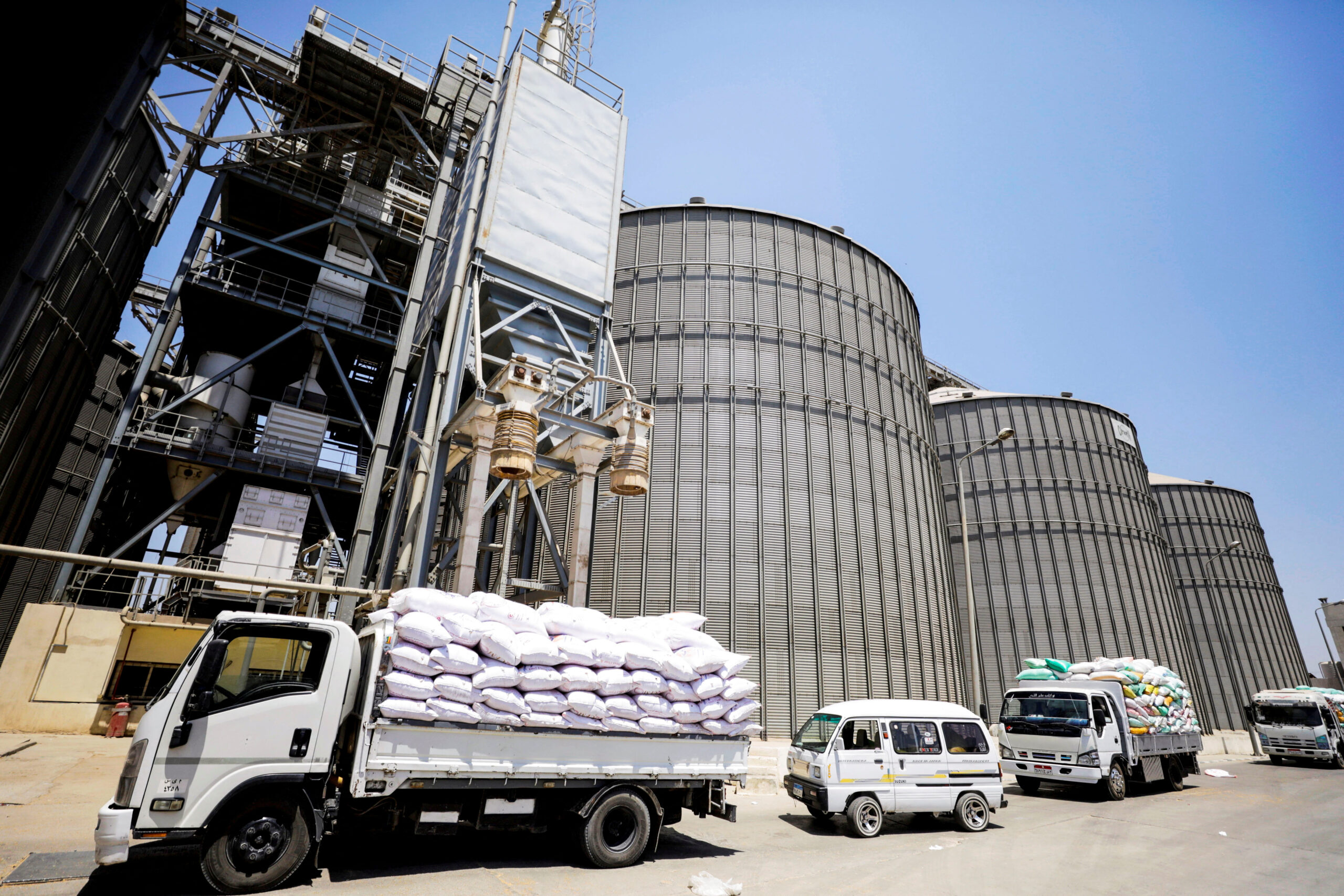
New player bids to import wheat for Egypt’s state silos
The Future of Egypt, a sustainable agriculture agency, announced on Wednesday that it had issued a tender to import 60,000 tons of…
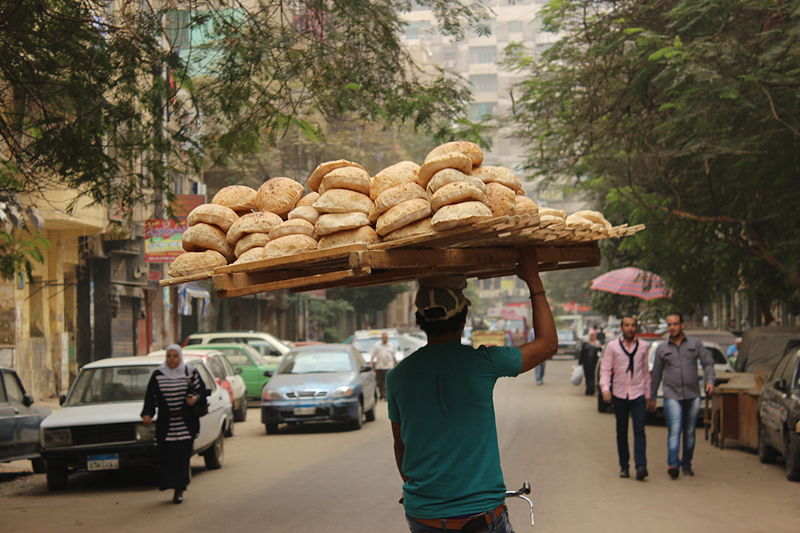
Cost of bread creeps up as Supply Ministry rolls back commercial price controls
Bread prices see sudden spike due to Supply Ministry’s decision to reverse price controls.
Egypt officially withdraws from UN global grain agreement
The move is to preserve scarce foreign currency resources, said the supply minister
Inflation persists as dollar scarcity holds up import shipments
Import shipments that are not deemed strategically necessary continue to pile up
Your support is the only way to ensure independent, progressive journalism survives.
You have a right to access accurate information, be stimulated by innovative and nuanced reporting, and be moved by compelling storytelling. Subscribe now to become part of the growing community of members who help us maintain our editorial independence.
Join us