
Detention extended for 19 people implicated in Minya sectarian violence
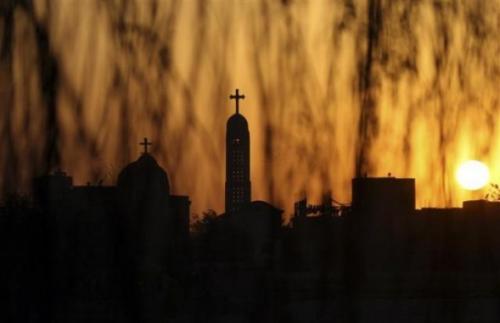
On Thursday, Minya Prosecution issued 15-day detention renewal orders for 19 people allegedly involved in sectarian violence that broke in Koum al-Loufy village near Samalout, the privately owned Al-Masry Al-Youm newspaper has reported.
The detainees are accused of having vandalized private property and rioting after a rumor that Coptic Christians were building a church without a license prompted violence to erupt between Muslims and Copts in the Upper Egypt village.
The prosecution also has issued arrest warrants for three other persons suspected of being involved in the case.
The Samalout Archbishopric released a statement last week detailing the events that led to the violence. According to the statement, Coptic Christians Ashraf Khalaf and his brother planned to build a house on a piece of land they owned in Koum al-Loufy village. However, a rumor began to spread among village residents that the constructed building would serve as a church and that Khalaf was attempting to circumvent the official permit process. In an attempt to assuage concern and to avert violence, security forces summoned Khalaf to their local office, where he signed a memo confirming that the building would serve as housing rather than a church.
Despite the memo, Muslim residents attacked and then set fire to the building Khalaf was constructing in addition to the homes of three other Copts in the village. There are also reports that the villagers expelled Khalaf and his family members from their homes, according to the archbishopric.
While rejecting any reconciliation effort through customary arbitration sessions that have often supplanted the proper application of Egyptian law, the archbishopric did outline three demands following the violence: renovation of the destroyed houses, compensation for the attacked Coptic citizens and approval for a 10-year-old request to build a church on land owned by the archbishopric inside the village.
This incident is the most recent incident of sectarian violence involving Copts in the Minya Governorate and in Egypt at large. In June, police briefly detained a number of Coptic Christians in a village near the Alexandria district of Amreya for praying in an unauthorized services center affiliated with the church. Twelve people were later arrested — six Copts and six Muslims — following a wave of violence on June 18 in the village, when a Coptic cleric was attacked. The Muslim detainees were released shortly after their arrest, and the Copts were referred to prosecution before being released. In a leaked video showing the events, a number of protesters chanted, “We don’t want a church. Islamic, Islamic.” A photo online showed a Coptic family living on a street after having been expelled from their home.
Parliament is expected to soon pass a law to establish procedures for the construction of churches. However, critics have expressed concern regarding some of the proposed legislation’s limitations, especially pertaining to security intervention in the issuance of construction permits.
In an incident that was not related to the construction of churches but also occurred in the Minya Governorate, an elderly Coptic woman was stripped naked in the streets of Karm village in May, following a rumor that her son was romantically involved with a divorced Muslim woman. The attack on the woman was part of a wave of violence against the village’s Coptic minority wherein several homes were looted and destroyed. Despite officially condemning the violence, President Abdel Fattah al-Sisi and other authorities were accused of mismanaging the incident.
Sectarian violence is usually dealt with by resorting to customary arbitration sessions, a practice that has been accused of being at best being merely palliative and at worst a transgression of citizens' rights to equal protection under Egyptian law. A study by the Egyptian Initiative for Personal Rights (EIPR) released in 2015 supports the notion that arbitration sessions, which are commonly spearheaded by the state’s security apparatus, usually violate citizens’ rights and enhance discriminatory practices against Coptic minorities. While the EIPR has documented 45 cases of sectarian violence that have been purportedly resolved through customary arbitration sessions in the last five years, Coptic officials continue to voice their opposition to the practice.

أخبار ذات صلة
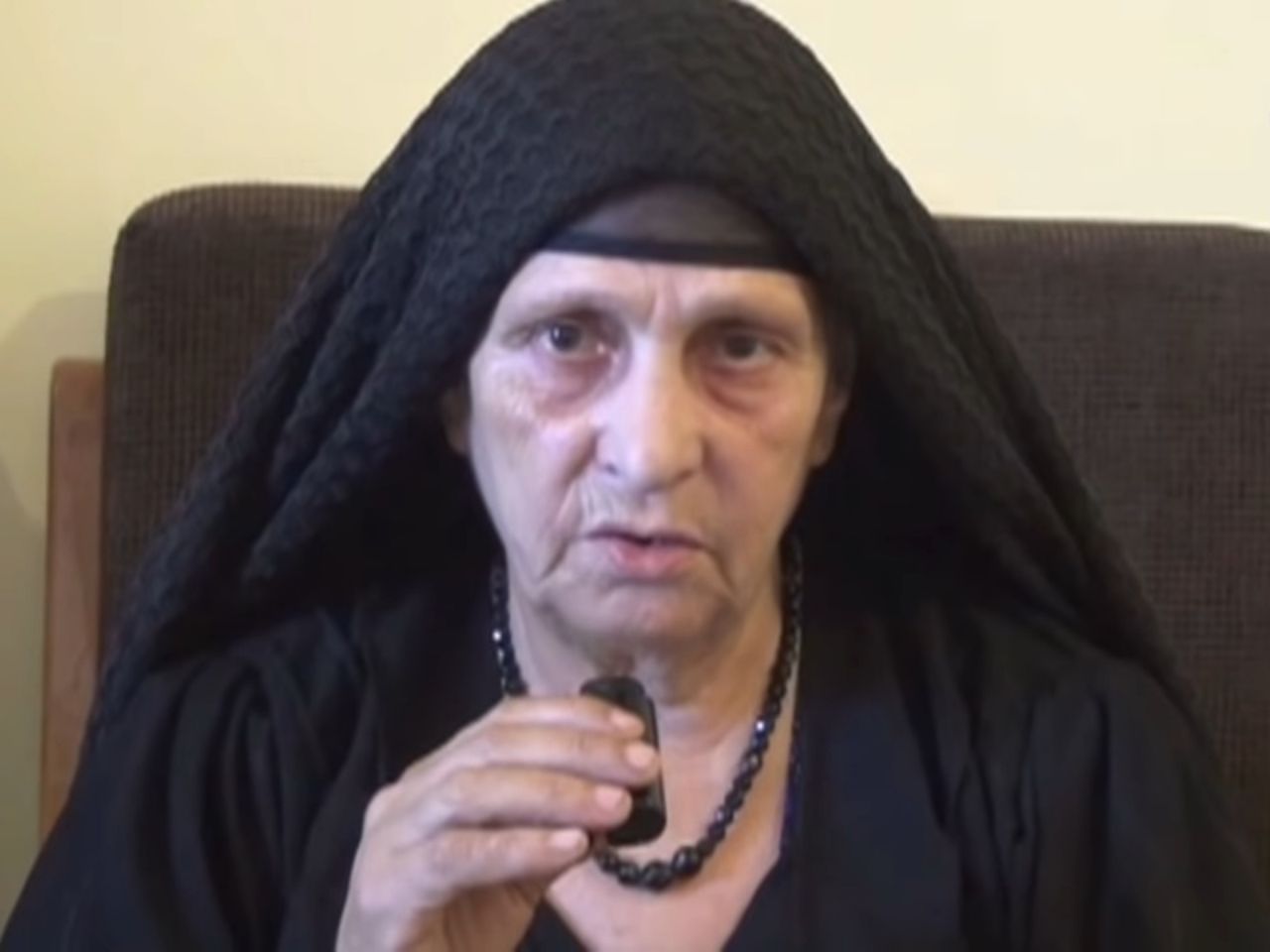
Door of justice slammed shut in high-profile sectarian case, Thabet now faces civil suit from men who assaulted her
The state habitually resorts to customary reconciliation when dealing with sectarian violence
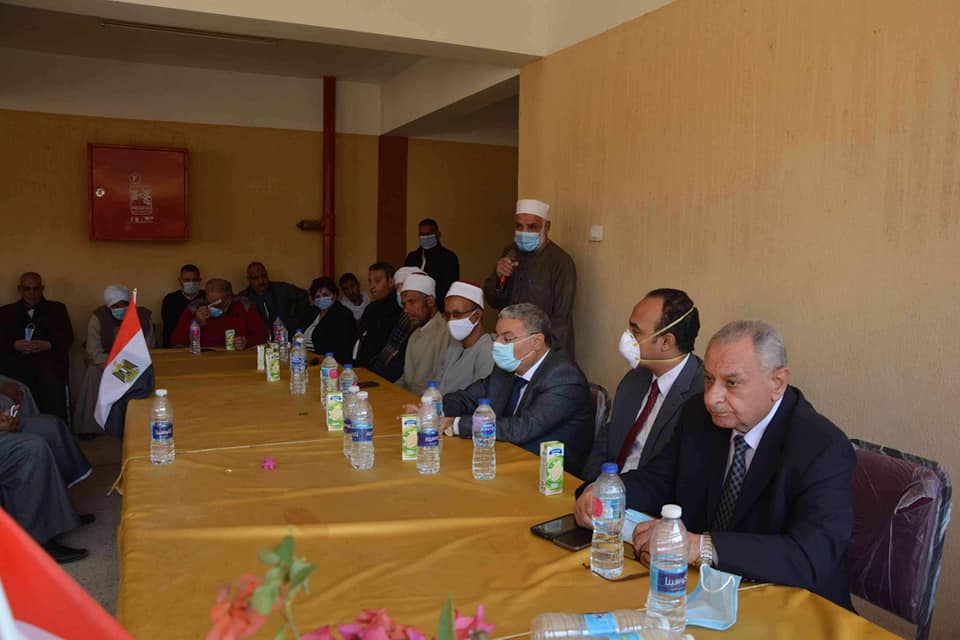
Source: Scores arrested following sectarian clashes in Minya
Videos circulating on social media showed a barn owned by some of the residents being set ablaze.

Court sentences 1 person to death, 4 to life imprisonment over 2014 attack on police officers
One person was sentenced to death and four others were sentenced to life in prison on Sunday
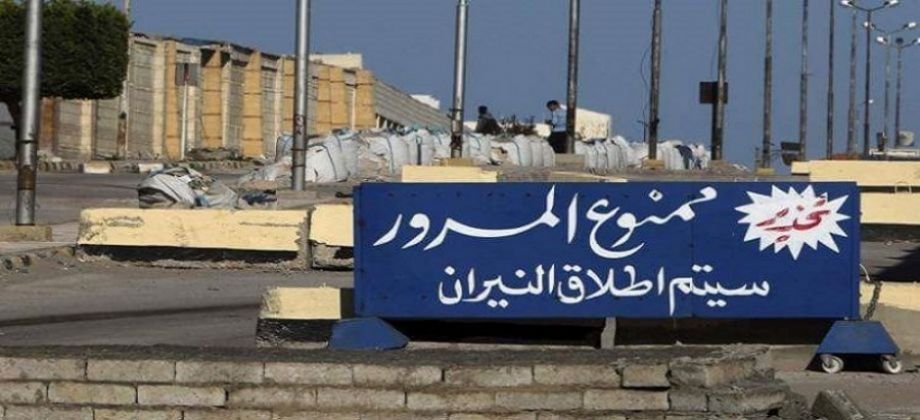
Security forces kill militant in Arish checkpoint where Coptic ‘police forensic expert’ reportedly kidnapped
A Coptic man later identified as a “police forensic expert” was kidnapped on Thursday in North Sinai
Your support is the only way to ensure independent, progressive journalism survives.
You have a right to access accurate information, be stimulated by innovative and nuanced reporting, and be moved by compelling storytelling. Subscribe now to become part of the growing community of members who help us maintain our editorial independence.
Join us