
Despite Coptic leaders’ approval, draft church construction law faces criticism

The Egyptian government handed a draft of a long-anticipated church building law to the State Council last week, following approval by church authorities after a lengthy negotiation process to rectify regulations that have been in place for over 100 years.
If the State Council approves it, the draft will be handed to parliament for review.
Despite a long-standing request for the law from the Coptic community, and approval from Pope Tawadros and the heads of two other major churches in Egypt, experts and Coptic authorities have criticized the draft for loopholes they say may further complicate church building.
Church construction and maintenance has historically been subject to complicated procedures established under the Ottoman empire in 1856, and further restricted by a decree issued in 1934 — known as “the conditions of Ezabi Pasha,” named after a deputy interior minister.
Ishak Ibrahim, a researcher at the Egyptian Initiative for Personal Rights specializing in religious freedoms, considers the new law to be “catastrophic,” saying it contains vaguely worded stipulations that could restrict church building even more than the archaic laws currently enacted.
The proposed draft states that a request must be presented to local authorities, who are to “coordinate with relevant authorities” and determine the viability of the request, with a commitment to respond within four months.
The authorities involved and possible grounds for rejection are not specified, Ibrahim says, adding that the draft also vaguely states that the size of the church in question should correspond to the “number and needs of the Christian population” in the area, which could lead to harsh interpretations of the law.
Despite the approval of senior church authorities, other Coptic figures have spoken out against the law. Anba Makarios, a senior cleric in Minya, an area with a large Christian population, said in media statements last month that the new law in its current form wouldn’t solve sectarian tensions, as it still bases the building of churches on security permits.
There have been several incidents of sectarian violence in Minya recently. According to a report by EIPR issued last month, the upper Egyptian governorate has witnessed 77 incidents of sectarian tension and violence since 2011.
Coinciding with the draft law entering its final stages of approval, EIPR launched a campaign to raise awareness of the hardships that Coptic Christians face in terms of access to places of worship, titled, “Closed for security reasons: For a fair church construction law.”

أخبار ذات صلة
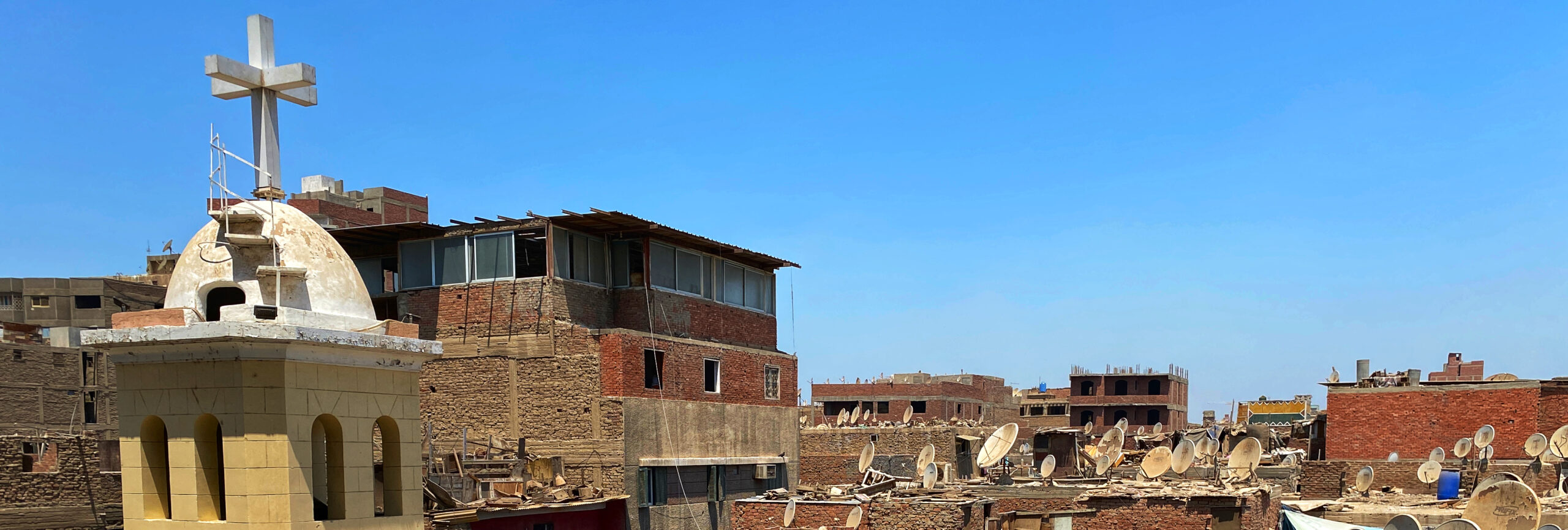
The fire you cannot put out: Imbaba’s churches and the threats they can’t extinguish
There are 11 churches total in Imbaba, of which only five have obtained liscenses
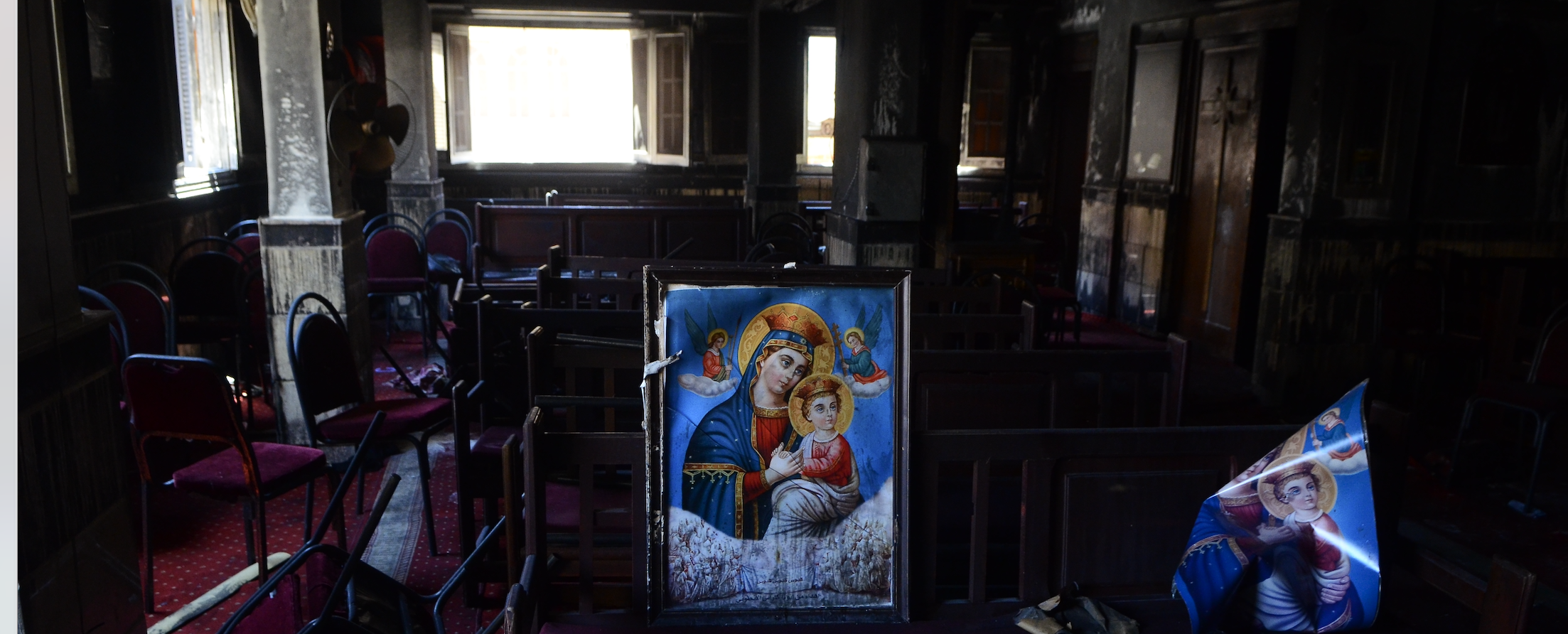
After 41 killed at Abu Sefein, ‘systematic’ reasons behind the church’s vulnerability to fire, experts say
Officials said the fire started as a result of an electrical fault
Protests, arrests in Minya village point to longstanding discriminatory policies over church permits
Over two days in late January, dozens of Coptic Christian residents of the village of Ezbet Farag Allah in Minya staged a demonstration in front of the Diocese of Samalut…
Coptic Christian place of worship shuttered in Minya after Muslim residents protest
An angry mob of Muslim residents surrounded the building and protested its presence in the village
Your support is the only way to ensure independent, progressive journalism survives.
You have a right to access accurate information, be stimulated by innovative and nuanced reporting, and be moved by compelling storytelling. Subscribe now to become part of the growing community of members who help us maintain our editorial independence.
Join us