
Death of scriptwriter highlights medical malpractice
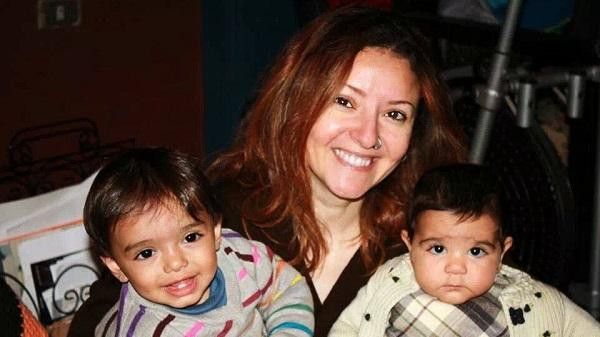
The Ministry of Health has formed a committee to examine the death of Nadine Shams, a scriptwriter who died after an operation on Saturday.
Shams' death caused widespread controversy as accusations of negligence were directed at the doctors performing the surgery. Shams died following an operation to remove a tumor from her uterus.
While the hospital reported that the death was caused by a sudden drop in blood pressure, her family and close friends said that her death was the result of a fatal error. The doctor in charge of her case allegedly left a hole in her colon ahead of the operation and performed the tumor removal without paying attention to the resulting blood poisoning she incurred. Following the operation, doctors refused to admit Shams had blood poisoning, while the final autopsy showed that she died of colon gangrene.
According to state-owned EgyNews, a Ministry of Health committee recommended the implementation of a series of measures against contagion. They also called for the formation of another committee with additional representation from tumor medics, gynecologists and intensive care medics, to study the issue and determine whether or not there was neglect on the part of the hospital.
The committee reportedly studied Shams’ case, referred by the hospital, and collected samples from the operation room and intensive care unit. They found that Shams had been diagnosed with cancer of the uterus. According to the committee's initial findings, Shams died after the tumor removal surgery because of an acute blood clot.
Amr al-Shora, a member of the Doctors Syndicate, raised a number of problems related to Shams' case.
One problem is that in the case of individual responsibility of a doctor, he explained to Mada Masr, the prosecution, upon receiving a complaint, should relay this to the Doctors Syndicate to investigate and take any necessary disciplinary measures against the doctor in question. “The prosecutor said they haven’t received any complaints, but we are sure they have,” he said.
Meanwhile, it is the Ministry of Health who has the authority to monitor hospitals' performance, especially through the Private Treatment Unit, which has arrest powers in case of violations.
According to Shora, for this unit to do its job properly, there needs to be a law governing the criminal accountability of doctors, while there should also be a law stating and organizing patients' rights. “There is no one to defend the rights of patients really,” says Shora.
He added that Shams' case is getting media attention, but that many more cases are often sidelined, leaving hospitals and doctors unaccountable.
In a report on the issue of hospital neglect, state-owned Al-Ahram newspaper published stories on Tuesday of patients dying due to human error during surgery. Examples cited include overdoses of anesthesia, delays in drug treatment and nursing mistakes. Al-Ahram documented cases in which hospitals have refused to submit reports to patient's families explaining the cause of death.

أخبار ذات صلة
‘It doesn’t even cover transport,’ Medical interns demand higher stipends
Medical interns are calling for an increase in the monthly training stipends they receive during the obligatory two-year internships they undertake at…
Doctors say new law would criminalize reasonable medical error, call on politicians to intervene
A new bill that would alter the legal approach to medical malpractice is causing a stir among doctors. If passed, the bill…

Deterred from official healthcare, 26-yr-old dies after sex reassignment surgery
The committee that approves gender reassignment surgeries has not met in years

Lawmakers, their families receive privileged vaccine access ahead of priority groups
The prime minister ordered the Health Ministry to begin vaccinating MPs on April 11
Your support is the only way to ensure independent, progressive journalism survives.
You have a right to access accurate information, be stimulated by innovative and nuanced reporting, and be moved by compelling storytelling. Subscribe now to become part of the growing community of members who help us maintain our editorial independence.
Join us